
What treatment longevity really means in aesthetics
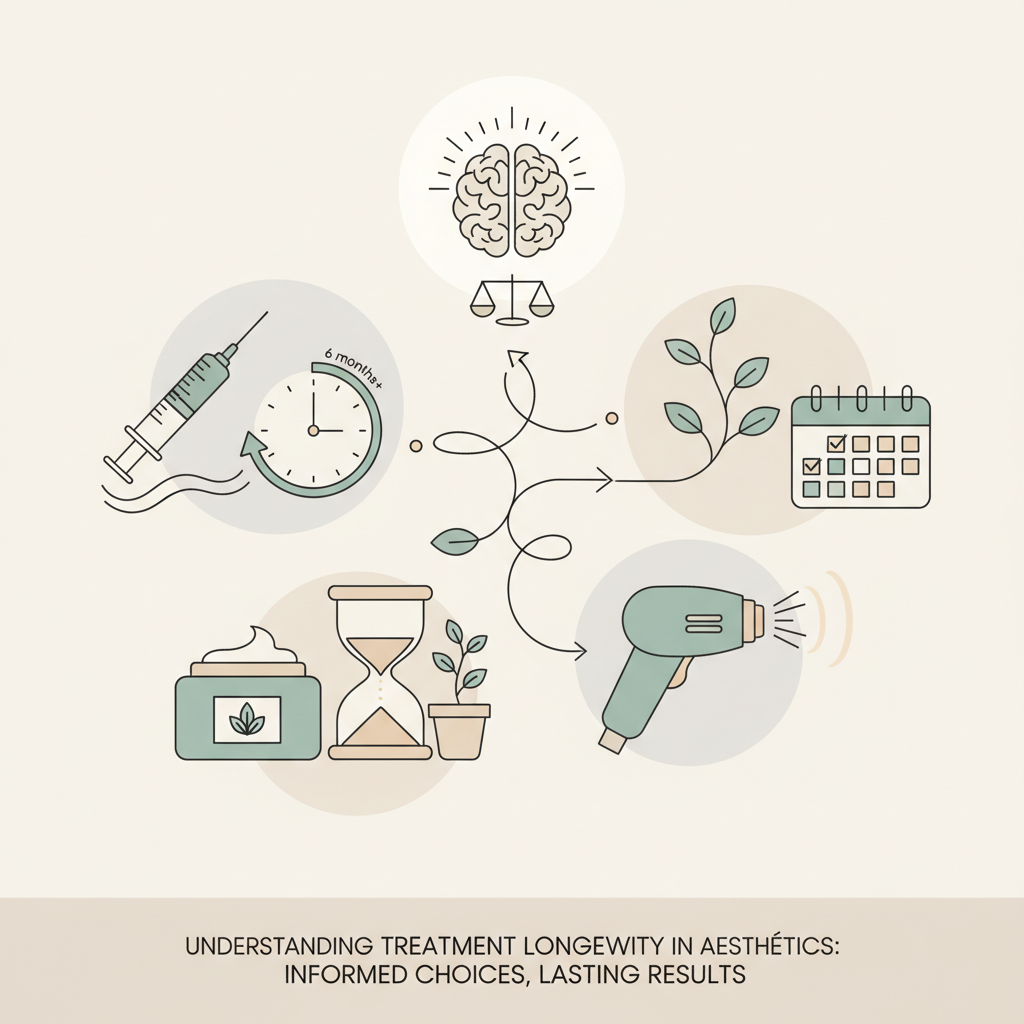
When you start exploring aesthetic procedures, it is easy to focus on before and after photos or the initial results. Understanding treatment longevity in aesthetics means going a step further. You look at how long results actually last, what it takes to maintain them, and how they affect your skin and facial structure over time.
This perspective is especially important when you are choosing between surgical and non-surgical options. Many non-invasive treatments are intentionally temporary and adjustable, while surgery often offers structural changes that last for many years. Your goal is not just a quick improvement, but a plan that fits your life, budget, and long-term appearance.
Longevity as more than “how many months”
When you evaluate treatment longevity, you are looking at more than a simple timeline. You are really deciding how you want to age and what kind of upkeep you are comfortable with.
Longevity has several layers:
- How long you can see the result
- How your skin and tissues respond over repeated treatments
- How often you need maintenance or touch-ups
- How the procedure affects underlying structures like fat pads, bone, and connective tissue over years, not weeks
Research on facial aging shows that age-related changes happen in fat, bone, and connective tissues, not only in the skin you see in the mirror. This is why treatments that respect facial architecture and skin biology tend to age more naturally with you [1].
When you begin comparing options, using a guide such as how to compare cosmetic procedures can help you frame longevity as part of a bigger decision rather than a single number.
How non-surgical treatments last
Non-surgical procedures cover a wide range of options, including injectables, energy-based devices, peels, and body contouring technologies. Many people choose these first because they are lower risk and have less downtime. However, most of them are designed as temporary or semi-permanent solutions.
Common non-surgical treatment time frames
Evidence from clinical practice and published data shows that most non-surgical options fall into predictable longevity ranges:
| Treatment type | Typical duration of visible effect | Notes |
|---|---|---|
| Botox and other neuromodulators | About 3 to 4 months on average | Results vary by metabolism and muscle strength [2] |
| Hyaluronic acid fillers | Around 6 to 12 months | Some formulas like Voluma can last up to 2 years in cheeks [3] |
| Biostimulatory fillers (for example Sculptra) | Up to about 2 years | Work by stimulating collagen production [3] |
| Thread lifts | Physical support for 6 to 12 months, with visible benefits up to about 18 months | Maintenance often needed every 12 to 18 months [4] |
| Laser hair removal | Long-term or permanent hair reduction after a series of sessions | Many systems provide lasting follicle destruction [3] |
| CoolSculpting and similar | Permanent reduction of treated fat cells | About 25 percent fat reduction per session on average [3] |
If you want to go deeper into individual timelines, you can explore resources such as how long do non surgical treatments last.
The science behind injectable longevity
The way a filler or neuromodulator is formulated has a lot to do with how long it lasts. For example, a randomized clinical trial that compared two hyaluronic acid fillers for severe nasolabial folds found that both worked well at first. However, Juvederm ULTRA PLUS maintained correction better between 6 and 12 months compared with Perlane, likely because it has a higher hyaluronic acid concentration and more cross-linking, which makes it more resistant to breakdown by enzymes in your skin [5].
This type of research helps you see that not all fillers in the same category perform the same way. When you look at the difference between fillers and fat transfer, understanding formulation and durability is an important part of your decision.
Why so many non-surgical treatments are temporary
Temporary results can actually be a feature, not a drawback. Many non-surgical treatments are intentionally reversible. This allows you to:
- Make gradual, natural changes
- Adjust or refine your look as you age
- Stop or switch approaches if your preferences change
According to experts in aesthetic medicine, this flexibility is one reason non-surgical procedures have become so popular, rising dramatically in use since the late 1990s [3]. Being temporary can also make non-invasive options ideal when you are still deciding how aggressive you want to be or when you want to avoid permanent changes. You can learn more about this balance in guides like non invasive vs invasive cosmetic procedures.
How surgical procedures last
Surgical treatments generally address deeper structures, such as muscles, ligaments, fat pads, and sometimes bone. Because you are changing the physical framework of an area, surgical results typically last significantly longer than most injectable or device-based treatments.
Long-term examples: face and body
For facial rejuvenation, a mid-face lift is a clear example. By repositioning descended fat pads and tightening supportive tissues, surgeons can restore cheek volume and contour. Modern mid-face lift techniques can deliver results that commonly last between 8 and 12 years in appropriate candidates [6].
In the body contouring category, procedures like liposuction or abdominoplasty physically remove or reposition tissue. While your body will continue to age and your weight can still change, the fat cells removed in surgery do not grow back. This has a different kind of permanence compared to non-surgical fat reduction, even though both can be long lasting when you maintain a stable weight. Resources such as non surgical vs surgical body contouring can help you look at these options side by side.
Cost and longevity over a decade
When you look at cost through the lens of longevity, surgery sometimes becomes more economical than repeated non-surgical treatments. For example, mid-face filler treatments spread out over 10 years can cost two or more times as much as a single mid-face lift, yet still do not provide the same degree of structural correction or durability [6].
This does not mean surgery is automatically the better choice. It does mean that if you know you want significant, long-term facial rejuvenation, comparing 10-year costs and outcomes is more realistic than comparing one syringe of filler to one surgery. Tools like are surgical results more permanent can support you in this kind of long-range thinking.
Surgical vs non-surgical: how longevity compares
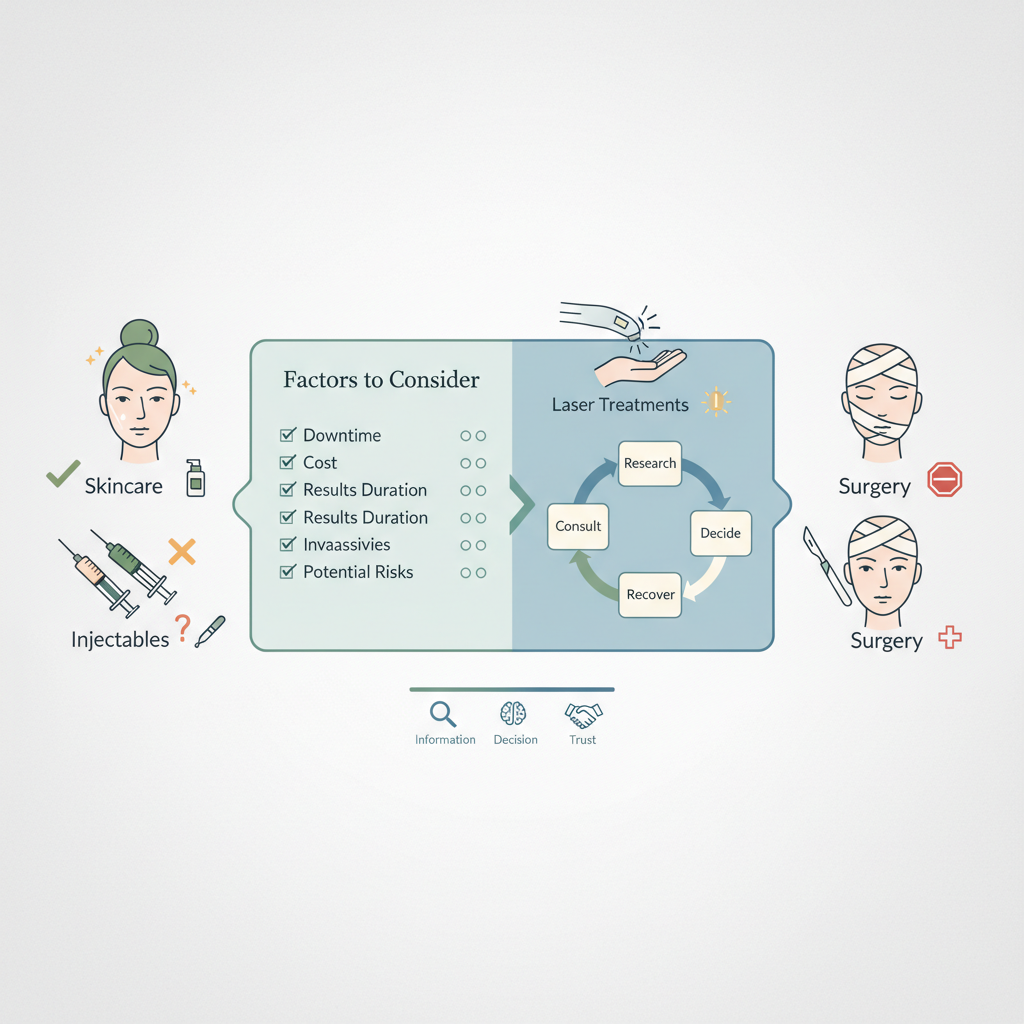
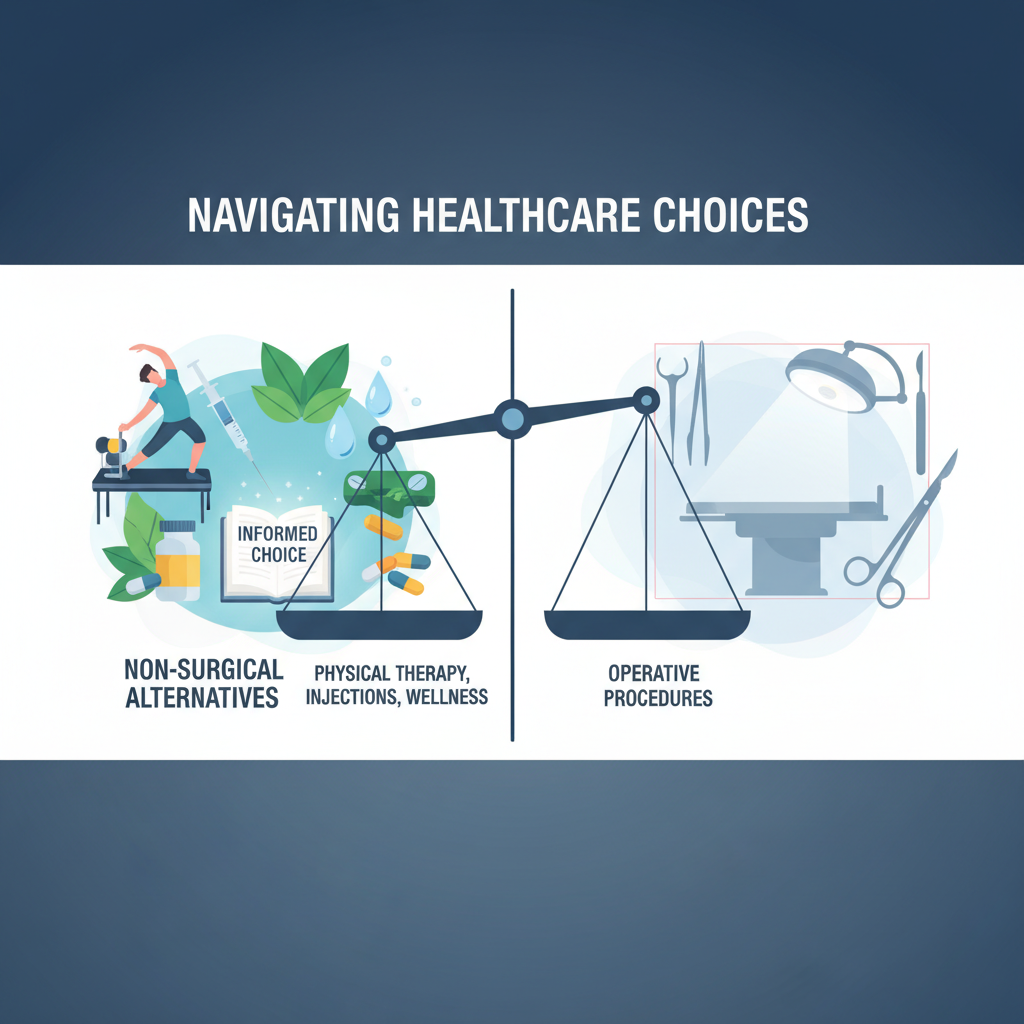
To put everything into perspective, it is useful to look at longevity alongside other key factors like invasiveness, downtime, and adjustability. You are rarely choosing between “good” and “bad” options. More often, you are choosing between different types of commitments.
Generally, you will see patterns like these:
- Non-surgical: less invasive, less downtime, lower immediate cost, shorter duration, easier to adjust or reverse
- Surgical: more invasive, more downtime, higher upfront cost, longer duration, less reversible
Your job is to match those patterns to your priorities. If you want to explore the tradeoffs further, articles such as surgical vs non surgical cosmetic procedures and benefits of surgical vs non surgical treatments walk you through typical scenarios.
How your biology and lifestyle affect longevity
Two people can have the same treatment and experience different durations of benefit. That variation is not random. Your biology, habits, and environment all play a role in how long results last.
Biological age and skin behavior
Modern research is beginning to measure “biological age” using epigenetic clocks such as Horvath’s Clock and GrimAge. These tools analyze DNA methylation patterns to estimate how old your tissues behave, which can differ from your calendar age [7].
Energy-based devices, including certain lasers and radiofrequency systems, have been shown to influence these epigenetic markers. By stimulating collagen and remodeling the dermis, some treatments may actually reduce the biological age of the skin and support longer-lasting results [7].
There is also evidence that specific skincare ingredients, such as retinoids and some natural compounds, can affect epigenetic mechanisms and support more durable rejuvenation at the molecular level [7]. This is one reason medical-grade skincare plays such a central role in modern aesthetic planning.
Lifestyle and internal factors
Your lifestyle has a measurable effect on both skin quality and treatment longevity. Nutrition, hydration, stress levels, hormone balance, and sleep all influence how your skin repairs itself and how long collagen stimulation or filler support remains visible [1].
Research on epigenetic aging also shows that diet, sleep quality, and alignment of your circadian rhythm can modulate aging markers in your skin and body [7]. This means that when you combine aesthetic procedures with healthy routines, you are not only helping your results last. You are also supporting healthier skin at the cellular level.
The role of skincare in result longevity
Professional skincare is not an afterthought. It is one of the main tools you have to protect your investment in any aesthetic treatment.
Why medical-grade skincare matters
Clinics that focus on long-term outcomes often treat in-office procedures as “boosters” and daily skincare as the foundation of long-term skin vitality [1]. Antioxidants, retinoids, barrier-repair moisturizers, and physical sunscreens help you:
- Maintain collagen stimulation from lasers, microneedling, or peels
- Support even pigmentation and texture after resurfacing
- Preserve hydration and barrier integrity after injectables or energy devices
Some practitioners estimate that at-home care accounts for the majority of your skin maintenance, with office treatments building on that base [8]. This is why any serious cosmetic treatment planning guide includes a skincare component.
Post-treatment care and longevity
Immediately after procedures, what you do at home has a direct effect on how long your results last and how well your skin recovers. For example:
- Avoiding exfoliants, scrubs, and strong acids or retinoids for several days can prevent redness and inflammation that might shorten the life of results [9]
- Using gentle, hydrating products with ingredients like hyaluronic acid and ceramides supports healing and helps keep skin supple [9]
- Daily broad-spectrum SPF 30 or higher is essential after any aesthetic procedure to prevent UV damage that breaks down collagen and leads to hyperpigmentation [9]
Good post-care extends beyond the first week. It gradually becomes the daily habit that protects both non-surgical and surgical results over the long term.
Strategic maintenance vs chasing quick fixes
You can think of your aesthetic plan as a long-term health strategy rather than a series of disconnected procedures. A smart approach focuses on doing enough to support your goals without overcorrecting or constantly changing direction.
Building a maintenance plan
Clinicians who emphasize natural, durable results often recommend:
- Scheduling neuromodulator and filler appointments so that touch-ups occur before the full effect wears off. This can allow you to use less product over time while maintaining a consistent, natural look [8]
- Combining injectables that address volume or muscle movement with regular skin treatments such as microneedling or chemical peels. This improves both structure and surface quality [8]
- Adjusting skincare and sometimes treatment frequency seasonally. Harsh winters might call for deeper hydration and barrier support, while sunny months may focus on repair and aggressive sun protection [8]
Instead of asking “when does this wear off” you are asking “what does my skin need now” as your environment, hormones, and age evolve [4].
When surgery becomes the more logical long-term choice
For some concerns, repeated non-surgical treatments eventually offer diminishing returns. If you have significant skin laxity, deep folds, or descended fat pads, ongoing filler may start to look puffy or unnatural, and costs rise over time. In these situations, a well-planned procedure like a facelift or mid-face lift can restore structure in a way that non-surgical methods cannot.
Guides such as when to choose surgery over fillers and how to choose between fillers and surgery can help you recognize when your goals, budget, and anatomy point more clearly toward a surgical option.
Personalizing your decision: key questions to ask
When you are choosing between surgical and non-surgical options, especially with longevity in mind, you can use a few key questions to clarify your direction. Resources like which cosmetic procedure is right for me and how to choose the right aesthetic treatment provide helpful frameworks, and you can adapt them to your own situation.
Ask yourself:
-
What is my primary goal?
Are you trying to soften early lines, reverse significant sagging, contour the body, or maintain a look you already like? Your main goal will heavily influence whether you start with non-surgical options or consider surgery. -
How comfortable am I with downtime and risk?
If you need to be back at work in a day or two, non-surgical treatments are often the better starting point. If you can plan for a proper recovery period, surgery may become more realistic, especially if you want a major change. -
How long do I want the result to last before a touch-up?
If you are comfortable with maintenance every few months, injectables and devices are very flexible. If you would prefer not to think about the treated area again for many years, surgical options or long-lasting structural treatments may align better with your expectations. -
What is my budget over the next 5 to 10 years?
Looking at costs in a multi-year window can change your perspective. Repeating certain non-surgical procedures regularly may end up costing more than a single operation, without achieving the same degree of change. Guides like best option for long term aesthetic results can help you organize this thinking. -
Do I want reversible or permanent changes right now?
If you are still clarifying your preferences, non-surgical alternatives give you the freedom to adjust. When you feel confident about a specific, long-term goal, planning for surgery with tools such as how to decide on cosmetic surgery and what to consider before cosmetic surgery can be appropriate.
Creating a customized, longevity-focused plan
In the end, understanding treatment longevity in aesthetics is about aligning your procedure choices with how you want to look and feel years from now. You are not limited to a single category. Many of the best outcomes come from combining approaches.
You might:
- Use neuromodulators and light-based treatments early on to slow visible aging
- Add fillers in specific areas to maintain volume while preserving your natural features
- Rely on high-quality skincare, sun protection, and healthy habits as your daily baseline
- Plan a surgical procedure later when structural changes can no longer be addressed effectively with non-surgical methods
Resources like customizing cosmetic procedure plans, non surgical alternatives to surgery explained, and pros and cons of non surgical treatments can support you as you shape this long-term roadmap.
By approaching your choices strategically, you are not simply asking “how long does this last.” You are designing a thoughtful aesthetic plan that respects your biology, your lifestyle, and the way you want to age over time.