
Understanding non surgical alternatives to surgery
When you first start looking into cosmetic procedures, it can feel like you have to choose between doing nothing and having surgery. In reality, you now have a wide range of non surgical alternatives to surgery. These options aim to refresh or reshape your appearance with less downtime, lower risk, and more flexibility than traditional operations.
Non surgical cosmetic treatments can soften wrinkles, restore lost volume, tighten skin, and contour certain areas of the body. At the same time, surgical procedures still set the standard for dramatic, structural change and long term results. Learning how these options compare helps you make a decision that fits your goals, lifestyle, and comfort level.
What counts as a non surgical procedure
Non surgical procedures are treatments that do not involve cutting into the body or using general anesthesia. They are typically performed in a clinic or office setting by qualified health professionals and focus on diagnosing, treating, or improving a condition without traditional surgery. This definition is also used in broader medical care, where non surgical procedures range from diagnostic tests to rehabilitative therapies [1].
In aesthetics, non surgical procedures are sometimes called minimally invasive or non invasive treatments. Common examples include:
- Injectable treatments such as Botox and dermal fillers
- Energy based devices such as lasers, ultrasound, and radiofrequency
- Skin resurfacing like chemical peels and microneedling
- Nonsurgical body contouring and fat reduction
These techniques aim to improve appearance while minimizing trauma to the body and shortening recovery time compared with surgery.
Common cosmetic non surgical alternatives
When you explore non surgical alternatives to surgery explained in practical terms, most options fall into a few main categories. Each category targets a different aspect of aging or appearance.
Injectables
Injectables are some of the most widely used nonsurgical cosmetic treatments. They are typically performed in a short office visit and offer quick results.
- Neurotoxins (for example Botox and similar products) relax targeted muscles to soften dynamic wrinkles such as frown lines and crow’s feet.
- Dermal fillers, often based on hyaluronic acid or calcium hydroxylapatite, restore volume in areas like the cheeks, lips, and under eyes and can also refine facial contours.
Surveyed patients who choose nonsurgical facial rejuvenation often prioritize natural and subtle results and appreciate the lower cost, flexibility, and reduced downtime compared with surgery [2].
If you are weighing options like injectables versus surgical fat transfer, you can explore more detailed comparisons in the resource on the difference between fillers and fat transfer.
Skin resurfacing and tightening
Nonsurgical skin treatments focus on improving texture, tone, and mild sagging.
Treatments commonly include:
- Laser skin treatments to address pigmentation, fine lines, and overall texture
- Chemical peels to remove damaged outer skin layers and reveal fresher skin
- Microneedling, sometimes combined with radiofrequency, to stimulate collagen production
- Micro focused ultrasound or similar technologies to tighten deeper tissues and gently lift
These options can refresh areas that appear tired or aged and target specific concerns without the longer recovery that comes with surgical lifts [2].
Nonsurgical body contouring
If you want to address localized fat or mild laxity but are not ready for procedures like liposuction or tummy tuck, nonsurgical body contouring may be an option. Treatments such as controlled cooling, laser, or radiofrequency can help reduce small pockets of fat and tighten skin without incisions or general anesthesia, and with minimal downtime [3].
To understand how these methods compare with operations like liposuction, you may find it helpful to read more on non surgical vs surgical body contouring.
Medical and rehabilitative non surgical options
Outside of aesthetics, non surgical treatments are widely used to manage pain, joint problems, and other conditions. Orthopedic specialists often begin with conservative care such as physical therapy, medications, braces, and targeted injections before recommending surgery [4].
For example, non surgical approaches for joint or soft tissue issues may include:
- Cortisone shots and gel injections for joint pain
- Platelet rich plasma injections to support tendon and ligament healing
- Shockwave therapy and other targeted treatments to promote tissue repair [5]
Understanding that non surgical care is standard in many areas of medicine can make it easier to see nonsurgical cosmetic procedures as a valid, medically informed choice rather than a shortcut.
Benefits of non surgical cosmetic treatments
Non surgical alternatives to surgery offer advantages that are especially appealing when you want a refresh rather than a major transformation.
Less downtime and disruption
Most nonsurgical cosmetic procedures are performed on an outpatient basis. You typically arrive at the clinic, have your treatment, and leave the same day without the need for hospital admission or general anesthesia. This is one reason many people schedule treatments before events or busy periods, since you can often return to normal activities quickly [3].
Nonsurgical treatments are also widely used in pain management and orthopedic care because they allow a gradual, step by step return to activity without the extended recovery required after many surgeries [6].
Lower risk profile
Any medical intervention carries some risk, but treatments that avoid large incisions and general anesthesia generally have fewer complications. Non surgical options reduce the risk of infection, scarring, and anesthesia related issues, which is particularly important if you have health concerns that make surgery less safe [7].
Flexible and incremental results
Non surgical procedures typically offer gradual or subtle improvements. This can be an advantage if you prefer natural looking changes or want to see how you feel before committing to something more permanent. Many patients appreciate the ability to adjust treatment plans over time, refine results, and stop if they are satisfied.
Nonsurgical rejuvenation techniques such as micro focused ultrasound, neurotoxins, and fillers are often chosen for their ability to create subtle, tailored changes with limited downtime [2].
If you want a broader overview of the trade offs, you can explore the benefits of surgical vs non surgical treatments.
Limitations of non surgical alternatives
Non surgical alternatives to surgery explained completely also means being clear about their limitations so your expectations stay realistic.
Temporary and maintenance based
Most nonsurgical cosmetic results are temporary. Neurotoxins usually last a few months, fillers often last from several months to over a year, and many device based treatments need a series of sessions plus periodic maintenance. Over time, ongoing treatments can add up in cost and time commitment [3].
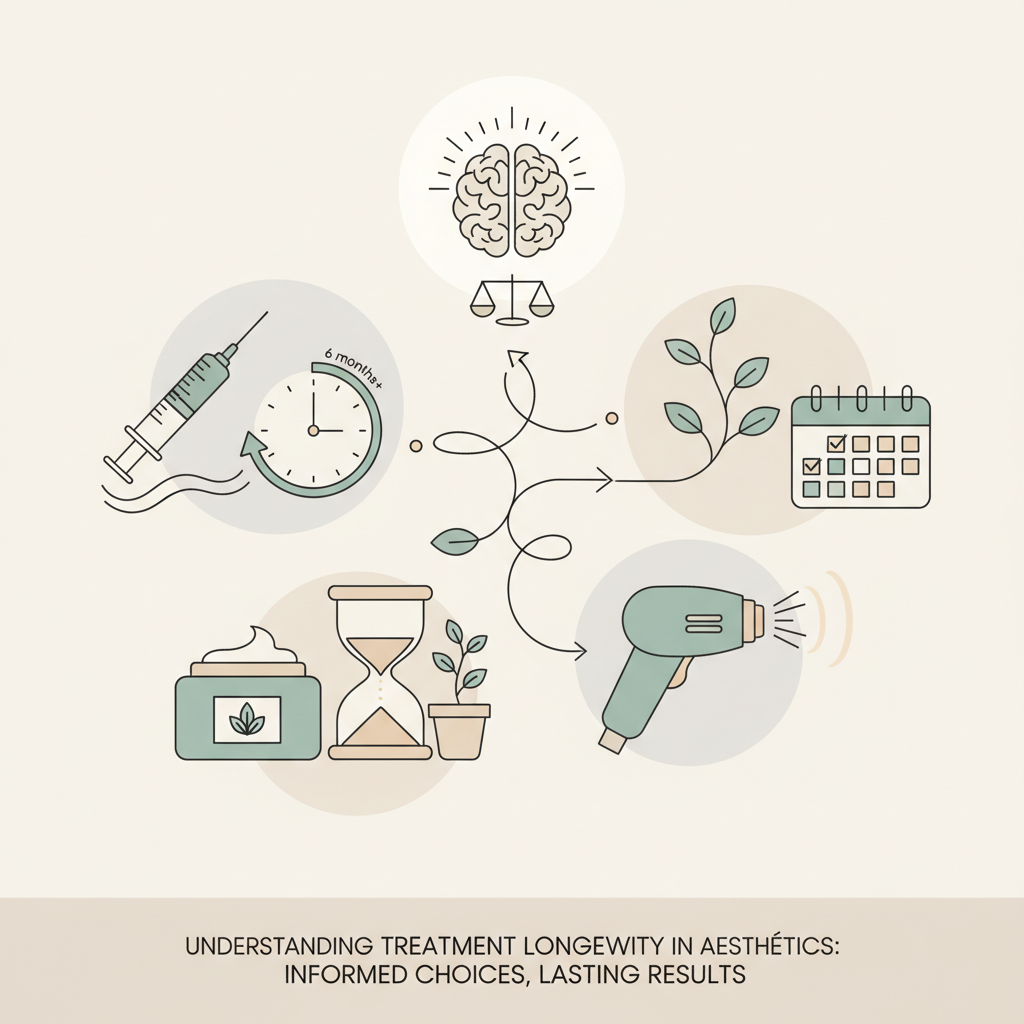
If you want a deeper look at how long different options last, visit the guide on how long do non surgical treatments last and the broader overview on understanding treatment longevity aesthetics.
Limited power for advanced concerns
Non surgical options work best for mild to moderate concerns. If you have significant skin laxity, deep folds, or large amounts of excess skin or fat, injectables and devices have a limited ability to correct those issues. At a certain point, only surgery can remove excess tissue or structurally reposition muscles and deeper tissues [3].
Impact on future surgery
If you think you may want surgery later, it is important to discuss this upfront with your surgeon. Prior nonsurgical facial treatments such as fillers, biostimulatory agents, and threads can complicate future facelift surgery by making tissue planes harder to identify and increasing certain risks. Some experts recommend allowing several years to pass between these nonsurgical treatments and any major facial surgery [2].
A thoughtful treatment plan, developed with your surgeon, can help you enjoy nonsurgical options now without limiting future choices. Resources such as the cosmetic treatment planning guide and customizing cosmetic procedure plans can support you in this process.
How surgical and non surgical options compare
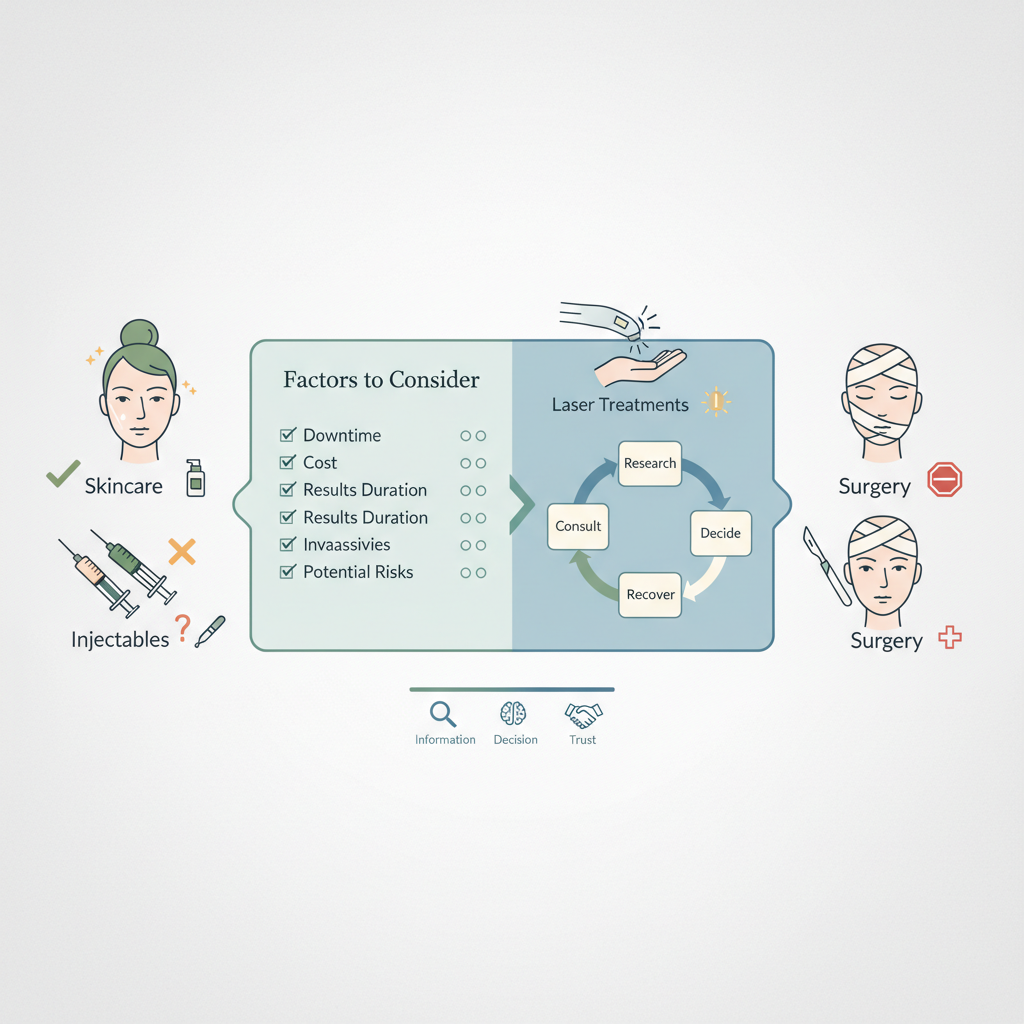
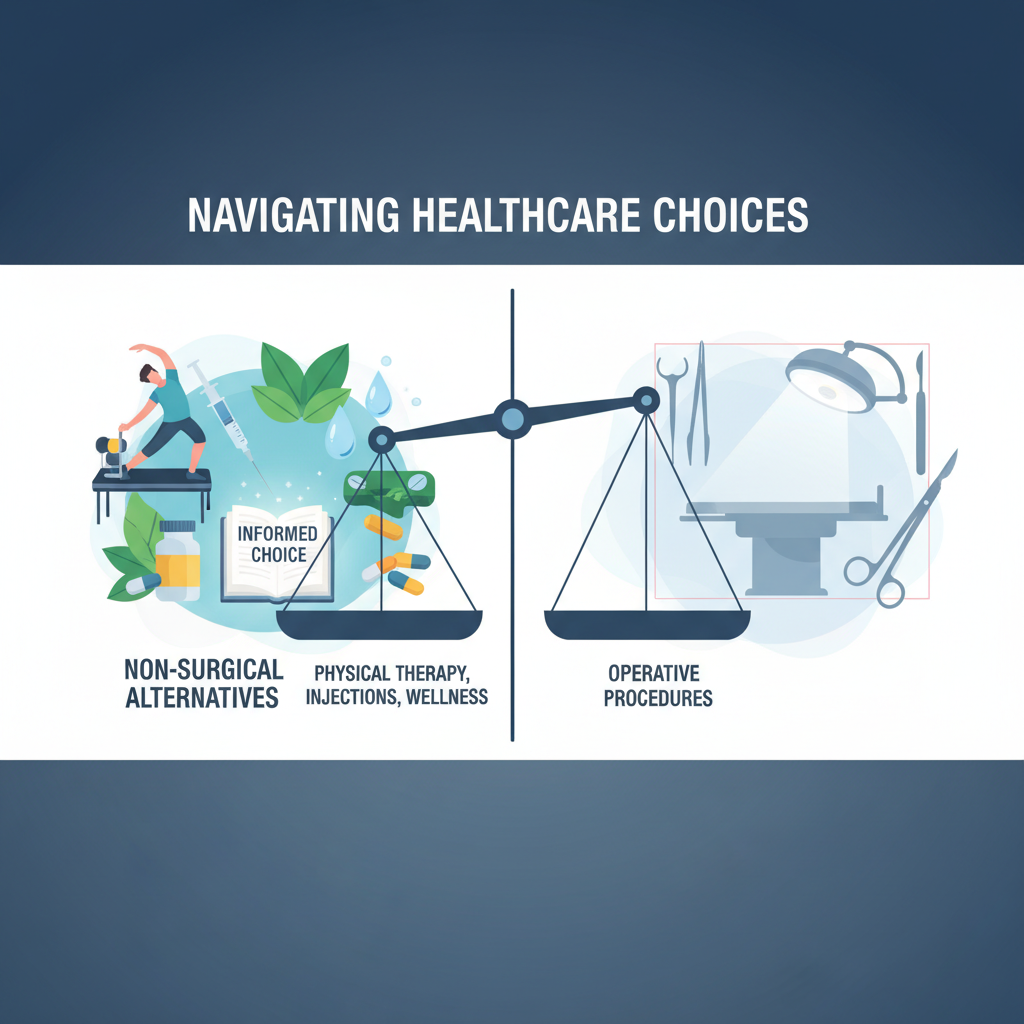
Looking at surgery and nonsurgical treatments side by side helps clarify what each approach is best suited for. While details vary between specific procedures, the big differences usually relate to invasiveness, recovery, longevity, and the degree of change you can expect.
| Factor | Non surgical treatments | Surgical procedures |
|---|---|---|
| Invasiveness | No incisions, usually topical or injectable, often no general anesthesia | Incisions in skin, tissue manipulation, usually sedation or general anesthesia |
| Recovery time | Hours to a few days of downtime, gradual return to activity | Days to weeks of recovery, more restrictions early on |
| Results | Subtle to moderate change, often progressive, reversible or adjustable | More dramatic structural change, not easily reversed |
| Longevity | Typically 3 to 18 months for many treatments, some longer | Often many years, sometimes decades |
| Risk profile | Lower risk of major complications, smaller but real risks of side effects | Higher risk of complications, bleeding, infection, and anesthesia related issues |
| Cost pattern | Lower per session but repeated maintenance over time | Higher upfront cost, less frequent repeat procedures |
If you want to go deeper into this comparison, the resource on surgical vs non surgical cosmetic procedures offers a broader overview, and non invasive vs invasive cosmetic procedures breaks down what “invasive” really means in a cosmetic setting.
When non surgical options may be right for you
You are more likely to benefit from non surgical alternatives if your priorities and situation match some of these scenarios.
You want subtle, natural looking change
If you are looking for a light refresh, want others to notice that you look rested rather than “different,” or are early in the aging process, nonsurgical treatments are often a good fit. Many patients in nonsurgical facial rejuvenation studies report valuing subtlety and the ability to pace changes over time [2].
You need minimal downtime
Non surgical procedures work well if you cannot take extended time off work, caregiving, or other responsibilities. Short recovery and the ability to drive yourself home from most appointments make them practical, especially around important personal or professional events [3].
You are unsure about surgery
If you are on the fence about surgery, non surgical options can act as a test run. For example, temporary fillers in the midface can help you visualize how additional cheek volume might look before you consider a surgical fat transfer or facelift. For these kinds of decisions, it can help to read through guides like how to choose between fillers and surgery and when to choose surgery over fillers.
You have health or risk concerns
For some people, medical conditions, medications, or personal risk tolerance make surgery less appealing. Non surgical treatments avoid general anesthesia and are generally less stressful on the body, which can be an important part of your decision if you are trying to balance safety and aesthetic goals [7].
For a concise overview of both sides, you may find the summary of pros and cons of non surgical treatments helpful.
When surgery might be the better choice
While non surgical alternatives are powerful tools, there are times when surgery simply matches your goals more closely.
You want significant, long lasting structural change
If you have advanced skin laxity, heavy jowls, or large amounts of excess fat or skin, a surgical procedure is often the only option that can deliver a noticeable, durable result. Surgical procedures allow your surgeon to reposition deeper structures and remove excess tissue in a way that injectables and devices cannot.
In many situations, surgical results are more stable over time. You can explore this further in the guide that asks, are surgical results more permanent, and in resources on the best option for long term aesthetic results.
You prefer a one time solution
If you would rather have a single procedure and recovery period instead of ongoing visits, you may lean toward surgery. While surgical operations have higher upfront cost and recovery, they often do not require frequent maintenance in the way that injectable or device based treatments do.
The resource on benefits of surgical vs non surgical treatments can help you weigh this trade off in more detail.
Your expectations exceed what nonsurgical care can deliver
If your mental picture of your ideal outcome includes dramatic lifting, a major change in profile, or removal of large amounts of tissue, it is important to be honest about what nonsurgical methods can realistically achieve. In cases where expectations and nonsurgical capabilities do not align, surgery may be the only way to reach your goal. A careful consultation with a board certified surgeon can help you decide when that threshold has been crossed.
Resources such as what to consider before cosmetic surgery and how to decide on cosmetic surgery can guide you through that decision making process.
Making a personalized and strategic decision
The most important step in choosing between surgical and non surgical cosmetic procedures is recognizing that there is no universal right answer. Your choice should reflect your anatomy, goals, lifestyle, health, and comfort with risk and recovery.
Clarify your priorities
Before you meet with any provider, it is helpful to answer a few questions for yourself:
- What specific features bother you the most and why
- Whether you want subtle refinement or a dramatic change
- How much downtime you can realistically manage
- Whether you prefer a single longer lasting procedure or shorter, repeated visits
- Your budget and whether you are comfortable with ongoing maintenance costs
Guides such as how to choose the right aesthetic treatment, which cosmetic procedure is right for me, and how to compare cosmetic procedures can help you organize these thoughts.
Have an open consultation
A consultation with a qualified plastic surgeon or aesthetic specialist is essential. During this visit, you can share your priorities and concerns, undergo a detailed examination, and review suitable options. Many experts recommend discussing both nonsurgical and surgical treatments during the same appointment so you see the full range of what is possible for you [8].
You should expect your provider to:
- Explain what each procedure can and cannot achieve
- Show you examples that match your age, anatomy, and goals
- Outline recovery expectations and possible risks
- Discuss how nonsurgical treatments today might affect surgical options later
This type of open discussion is also encouraged in broader medical care, where clinicians emphasize shared decision making and realistic goal setting when comparing conservative and surgical treatment paths [9].
Build a staged plan
For many people, the best approach is not strictly surgical or nonsurgical but a sequence that may include both over time. You and your provider might decide to begin with nonsurgical treatments, reassess results after several months, and then consider surgery later if needed. Alternatively, you might have surgery first and then use non surgical treatments to maintain or refine your results.
It often helps to frame your choices as part of a long term aesthetic plan instead of one isolated decision. Resources like cosmetic treatment planning guide and customizing cosmetic procedure plans are designed to help you think this way.
Putting it all together
Non surgical alternatives to surgery give you meaningful options to improve your appearance without committing immediately to an operation. They offer lower risk, shorter recovery, and flexible, incremental results, which is why many adults exploring aesthetic procedures start here.
At the same time, surgery remains the most effective way to achieve significant, long lasting structural change. The decision between surgical and non surgical paths is highly personal, and the best choice is the one that aligns with your goals, lifestyle, health, and expectations.
By understanding how each option works, what it can realistically deliver, and how it fits into a broader plan, you put yourself in a strong position to choose confidently. As you explore your choices, resources throughout this site, including surgical vs non surgical cosmetic procedures, can support you in finding the approach that feels right for you now and in the years ahead.