

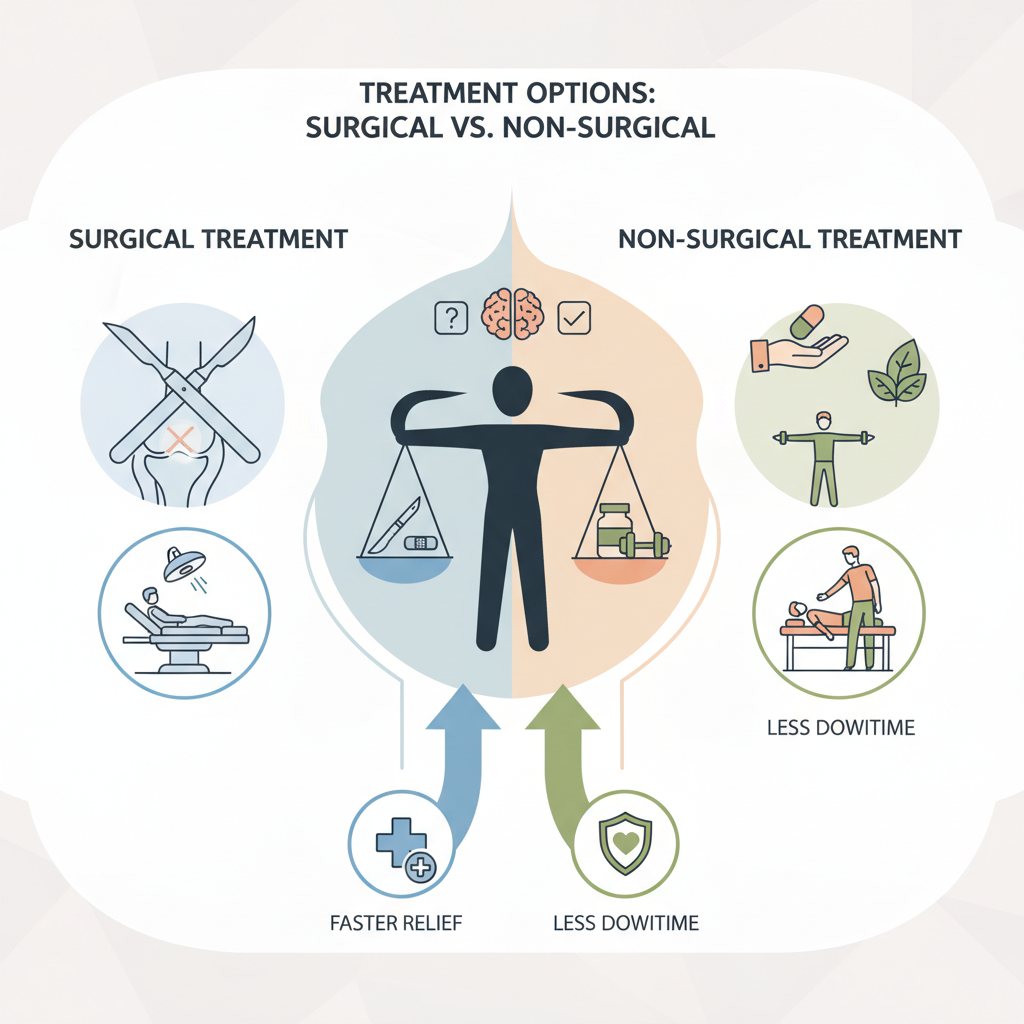
Cosmetic treatments give you more control over how you age and how you look, but choosing between surgical and non surgical options can feel overwhelming. Understanding the key benefits of surgical vs non surgical treatments helps you make a decision that fits your goals, timeline, budget, and comfort level with risk.
In this guide, you look at how both approaches compare in terms of invasiveness, longevity, recovery, cost, and the types of results you can realistically expect. You can also use resources such as surgical vs non surgical cosmetic procedures and which cosmetic procedure is right for me to explore your choices even further.
Understanding surgical vs non surgical options
Before you compare benefits, it helps to define what you are actually choosing between.
Surgical cosmetic procedures involve incisions, stitches, and usually anesthesia. Examples include facelifts, eyelid surgery, rhinoplasty, liposuction, tummy tucks, breast augmentation, and body lifts. These procedures typically provide more dramatic and longer lasting changes, often for many years or even decades, but they also come with higher costs, more downtime, and higher medical risk [1].
Non surgical cosmetic treatments do not involve traditional surgery. Common options include Botox, dermal fillers, laser skin resurfacing, chemical peels, non invasive fat reduction, and skin tightening devices. These treatments usually offer more subtle improvements with little to no downtime and lower upfront cost, but the results are temporary and require maintenance sessions [2].
If you want a broader overview before you dive into the details, you may find it useful to review non invasive vs invasive cosmetic procedures and how to compare cosmetic procedures.
Comparing invasiveness and risk
One of the most important differences between surgical and non surgical treatments is how invasive they are and what that means for your health and safety.
Surgical procedures
Surgical cosmetic procedures involve incisions, sutures, and disruption of deeper tissues. You typically need anesthesia, either general or local with sedation. Because of this, surgery carries higher risks and a greater chance of complications, such as:
- Bruising and swelling
- Pain and temporary numbness
- Scarring and changes in skin sensation
- Infection or wound problems
These higher risks reflect what is seen in other surgical fields as well. For example, surgery for carpal tunnel syndrome produces better symptom relief at 6 and 12 months than non surgical care, but it also has a significantly higher complication rate, including skin irritation and wound hematoma [3]. Cosmetic procedures do not use the same techniques, but the principle is similar. More invasive procedures tend to provide stronger results, and they may carry more risks that you and your surgeon must weigh carefully.
You can explore these trade offs at a high level in what to consider before cosmetic surgery and how to decide on cosmetic surgery.
Non surgical procedures
Non surgical cosmetic treatments usually avoid incisions entirely. As a result, the risk of serious complications is lower and the side effects tend to be milder and shorter lived. You might experience temporary redness, swelling, or minor bruising that typically resolves fairly quickly [4].
Because you avoid anesthesia and major tissue disruption, non surgical options are often safer choices if you have significant medical issues or simply prefer a more conservative approach. Many patients also appreciate non surgical treatments as a way to improve appearance and comfort with:
- Less pain
- Less intrusion on everyday life
- Lower risk of serious complications
These benefits are highlighted in pain management settings as well, where non surgical options such as ozone therapy can reduce pain, stimulate the immune system, and improve blood flow without incisions or long recovery times [5].
Recovery time and downtime
How quickly you want to get back to work, family, and exercise plays a major role in whether surgery or a non surgical approach makes more sense for you.
Recovery after surgery
Most surgical cosmetic procedures involve meaningful downtime. You may need to limit activities, take time off work, and follow detailed post operative instructions. Stitches, dressings, and swelling are part of this process, and the initial recovery can last several days to a few weeks, depending on the procedure.
Interestingly, some surgeons point out that, once the initial healing period is over, surgical procedures may reach a stable result faster than some non surgical options that require multiple spaced out sessions. In that sense, surgery can lead to a quicker path to final results even though your immediate downtime is greater [4].
You can learn more about long term outcomes and stability in are surgical results more permanent and best option for long term aesthetic results.
Recovery after non surgical treatments
Non surgical procedures are designed for minimal disruption. Many can be completed in under an hour, and you can typically return to your regular routine almost immediately [6]. This is especially attractive if you have a busy schedule or cannot take extended time off.
Although you avoid the intense early downtime of surgery, some non surgical treatments may still involve several appointments or a series of sessions to reach your desired result. Recovery is usually measured in hours or a few days of mild swelling or redness, not weeks away from normal life.
If you want a quick refresh before a specific event, such as a reunion or wedding, non surgical treatments are often the better fit because they offer noticeable improvements with minimal downtime and fast results [1]. For more detail on recovery expectations, it helps to read how long do non surgical treatments last.
Longevity and stability of results
When you look at the benefits of surgical vs non surgical treatments, longevity is often the deciding factor. You are not just paying for a procedure. You are paying for how long it will serve you.
How long surgical results last
Surgical cosmetic procedures are designed for durability. Facelifts, eyelid surgery, rhinoplasty, breast surgery, liposuction, and tummy tucks can provide results that last many years or even decades when you maintain a stable weight and practice healthy habits [1].
Surgery is especially effective when there is significant skin laxity or structural change. Examples include:
- Facelifts and neck lifts for moderate to severe sagging and jowls, where non surgical tightening is often unpredictable and limited in effect [7]
- Blepharoplasty to remove excess eyelid skin and fat, something injectables or topical treatments cannot fully address [8]
- Surgical rhinoplasty for permanent changes in nose shape and structure, beyond the subtle contouring possible with fillers [8]
- Liposuction or body contouring procedures for larger fat deposits or multiple treatment areas in a single session [8]
In these situations, surgery not only lasts longer but may also be more cost effective than repeated non surgical treatments over many years. This is particularly clear for facial aging. Some surgeons estimate that regular filler sessions to maintain maximum correction in your 50s can reach several thousand dollars every 9 months, which over time can rival or exceed the cost of a facelift that delivers a stronger, longer lasting change [9].
To see how permanence fits into your broader plan, you can use resources like understanding treatment longevity aesthetics and best option for long term aesthetic results.
How long non surgical results last
Non surgical cosmetic treatments generally provide temporary or semi permanent improvement. Botox softens wrinkles for several months. Fillers restore volume that gradually breaks down over 6 to 18 months depending on the product and area. Many skin resurfacing treatments, such as lasers and chemical peels, create longer lasting improvements in texture and pigmentation, but your skin will continue to age and sun exposure can reverse gains over time.
You gain several advantages in exchange for the need to maintain your results:
- Flexibility to adjust or stop treatments as your face or body changes
- Opportunity to test a look before committing to surgery
- Ability to focus on specific concerns, such as fine lines, early volume loss, or surface pigmentation
Non surgical options like laser skin treatments, peels, and other rejuvenation procedures can significantly improve skin tone and texture without surgery, and they are excellent choices if you are not ready for or interested in an operation [1].
For a deeper dive into durability by treatment category, visit how long do non surgical treatments last and non surgical alternatives to surgery explained.
Types of results you can expect
Surgical and non surgical treatments can both create beautiful outcomes, but the kind of change they deliver is different.
When surgery offers clear benefits
Surgery is usually the better choice when you want:
- More dramatic reshaping or lifting
- Correction of significant sagging, jowling, or loose skin
- Removal of excess skin after major weight loss
- Larger volume changes or structural refinement
For facial aging, facelifts and neck lifts can remove excess skin, tighten underlying muscles, and reposition fat pads in a way that injectables alone cannot match [7]. In the neck, surgical lifts remain the most consistent option for a pronounced “turkey neck,” since many non surgical tightening treatments produce mild or unpredictable improvements at best [9].
Body contouring tells a similar story. Liposuction or surgical body contouring can remove larger fat volumes and treat multiple areas in a single operation. If you have substantial fat deposits or loose skin after weight loss, surgery is often the only way to achieve the contour and comfort you want [8].
If you are comparing these choices for shaping your body, you may find it useful to review non surgical vs surgical body contouring.
When non surgical treatments are a better fit
Non surgical options shine when your goals are more subtle or you want to maintain or enhance the results of previous surgery.
They are especially useful for:
- Smoothing dynamic wrinkles like frown lines or crow’s feet
- Restoring early or moderate volume loss in cheeks, lips, or under eyes
- Improving surface texture, pigmentation, and scars
- A quick cosmetic refresh before an event with minimal downtime [1]
Treatments such as laser resurfacing, chemical peels, and modern skin rejuvenation systems can brighten and even out your complexion while preserving a very natural appearance [10]. Botox, fillers, and similar injectables can subtly enhance features and soften lines while avoiding the “overdone” look that some people worry about with surgery [6].
Non surgical treatments also work well as maintenance after surgery. For instance, fillers and laser treatments can help you keep the best possible results after a facelift or neck lift by addressing fine lines, minor volume changes, and skin quality over time [9]. To explore that combination strategy, take a look at customizing cosmetic procedure plans.
Cost considerations and value over time
You are likely thinking about the financial side of your decision as well. Comparing the benefits of surgical vs non surgical treatments includes understanding both initial cost and long term value.
Surgical procedures typically cost more upfront because they require operating facilities, anesthesia, and a longer medical team involvement. However, the results last much longer, which may make them financially comparable, or even more economical, over many years compared with frequent non surgical maintenance. For example, repeated fillers to mask jowls or deep folds every 9 to 12 months can eventually rival the cost of a facelift that directly corrects the underlying problem for a much longer period [9].
Non surgical treatments are usually more affordable per session. They are often outpatient, take less time, and require fewer resources, which helps keep individual costs lower [11]. However, because the results are temporary, you need to plan for maintenance. Botox, fillers, lasers, and non invasive fat reduction may require repeat visits every few months to a year. Over several years, that maintenance schedule becomes an important part of your budget.
Resources such as pros and cons of non surgical treatments and how to compare cosmetic procedures can help you think through short and long term costs in more detail.
Matching treatment choice to your goals
There is no single right answer when you weigh the benefits of surgical vs non surgical treatments. Instead, you are making a personalized, strategic decision based on your unique situation.
To clarify which path is better for you, consider:
- Your main goals
Are you aiming for a subtle refresh or a more dramatic change - Your timeline
Do you need fast improvement for an upcoming event or are you planning for the longest lasting outcome - Your tolerance for downtime
Can you take days or weeks off, or do you need to be back to work right away - Your comfort with risk
Are you willing to accept the higher risks and recovery of surgery in exchange for stronger results - Your budget and how long you want your results to last
For example, if you are in your 30s or 40s with mild sagging and early wrinkles, a combination of injectables and skin resurfacing might give you what you want for now. As changes progress over time, you might eventually consider surgery for a more structural lift. If you are already dealing with significant jowls, loose neck skin, or major body contouring needs after weight loss, a surgical approach may be the more efficient and satisfying option.
If your main decision is about volume restoration, it may help to examine the difference between fillers and fat transfer and how to choose between fillers and surgery. When you are weighing surgery vs injectables for lifting or shaping, you can also review when to choose surgery over fillers.
A good rule of thumb is simple. The more structural change or skin removal you need, the more likely surgery is to give you a predictable, long lasting result. The more subtle your goals and the less downtime you can tolerate, the more non surgical treatments will benefit you.
Creating a personalized treatment plan
You do not have to choose between surgical and non surgical treatments forever. Many patients benefit from a blended, staged strategy.
You might start with non surgical options to maintain your appearance and delay surgery until it makes sense. You might have a surgery to address major issues and then use non surgical treatments for fine tuning and maintenance. A well planned approach often involves:
- Clarifying your priorities
- Reviewing both surgical and non surgical options for each concern
- Discussing realistic outcomes, risks, and maintenance
- Creating a timeline that fits your life and finances
Working with a qualified, board certified plastic surgeon or aesthetic specialist ensures that your plan is tailored to you, not to a single procedure or device [1]. To organize your thinking, you might find it helpful to use a structured resource such as a cosmetic treatment planning guide or how to choose the right aesthetic treatment.
As you explore your choices, remember that both surgical and non surgical options can enhance your confidence and sense of well being. The best treatment is the one that aligns with your goals, your timeline, and your comfort level, and that is chosen in partnership with a trusted, experienced provider.
References
- (Dr. Monhian)
- (Delray Beach Plastic Surgery, Dr. Monhian)
- (NCBI Bookshelf)
- (Delray Beach Plastic Surgery)
- (Family Integrative Medicine)
- (Delray Beach Plastic Surgery)
- (Greer Plastic Surgery, Kole Plastic Surgery Center)
- (Kole Plastic Surgery Center)
- (Greer Plastic Surgery)
- (Dr. Monhian, Delray Beach Plastic Surgery)
- (Delray Beach Plastic Surgery, Family Integrative Medicine)