You rely on your body’s own fat cells to restore and reshape your chest, avoiding implants and embracing a natural enhancement. The regenerative chest sculpting technique centers on autologous fat grafting to create subtle volume, improved symmetry, and refined contours that feel soft and move naturally. Whether you’re seeking post-pregnancy restoration or refining reconstruction results, this approach offers a versatile solution tailored to your unique anatomy.
In this article, you’ll learn how the regenerative chest sculpting technique works, why it’s gaining popularity among women pursuing implant-free breast rejuvenation, and what you can expect from consultation through long-term results. We’ll compare it with other options, cover key benefits like scar revision and symmetry restoration, and point you to related resources such as natural breast augmentation fat transfer and breast fat grafting for symmetry.
Understanding regenerative chest sculpting
What is regenerative chest sculpting
The regenerative chest sculpting technique uses your own body fat to enhance breast or chest shape, combining liposuction, fat processing, and precision injection. Unlike traditional implants, this method relies on autologous tissue—fat harvested from areas like the abdomen or thighs—to add volume, correct contour irregularities, and support scar revision. It’s often called fat transfer or fat grafting and aligns with a broader trend toward minimally invasive breast enhancement.
How multi-layer fat grafting works
Multi-layer fat grafting maximizes graft survival and aesthetic outcome by injecting fat in three planes: beneath, within, and above the muscle. This layered approach creates a smooth transition from the chest wall to the breast mound, enhances definition, and promotes robust revascularization of transplanted cells.
- Layer 1: deep plane under the pectoral muscle for foundational volume
- Layer 2: within the muscle fibers to build internal support
- Layer 3: subcutaneous layer for surface contour and softness
By distributing small aliquots of fat rather than large boluses, your surgeon encourages blood supply to nourish grafted cells, improving long-term retention and reducing irregularities.
Technologies that support grafting
VASER ultrasonic liposuction
VASER uses ultrasound energy to gently loosen fat cells before aspiration, resulting in less trauma, reduced bleeding, and faster recovery compared with traditional liposuction. Facilities like Millard Plastic Surgery leverage VASER to harvest higher-quality fat for grafting and sculpt chest contours efficiently [1].
High-volume auto-graft infusion systems
High-volume precision systems, such as the Wells Johnson Auto-Graft Infusion System, streamline fat collection, separation, and reinjection in one workflow. By minimizing handling and exposure of fat cells, these devices maintain cell viability and shorten operating time, so you spend less time under anesthesia and recover more quickly.
Exploring key benefits
Natural shape and feel
Because your body tissue becomes the augmenting material, results look and feel like your own breast tissue. There’s no risk of implant palpability or rippling, and you avoid complications such as capsular contracture. Touch and movement remain soft and fluid.
Improved symmetry
Fat grafting excels at fine-tuning asymmetries that implants sometimes struggle to correct. By strategically adding small volumes of fat to one side, your surgeon can balance minor differences in breast size or contour, delivering personalized harmony. Learn more about symmetry work under breast fat grafting for symmetry.
Scar revision and contouring
Along with volume enhancement, fat transfer can soften or even erase surgical scars. Fat cells have regenerative properties that improve skin quality, making this approach ideal for scar revision using fat grafting. You’ll notice smoother transitions and an overall rejuvenated chest appearance.
Versatile applications
Regenerative chest sculpting isn’t just for primary augmentation. It can support a variety of goals:
- Restoring volume after pregnancy or weight loss [2]
- Correcting implant irregularities or removal [3]
- Enhancing breast lift results with added projection [4]
- Refining reduction outcomes for improved contour [5]
- Assisting breast reconstruction after mastectomy [6]
Preparing for your procedure
Consultation and planning
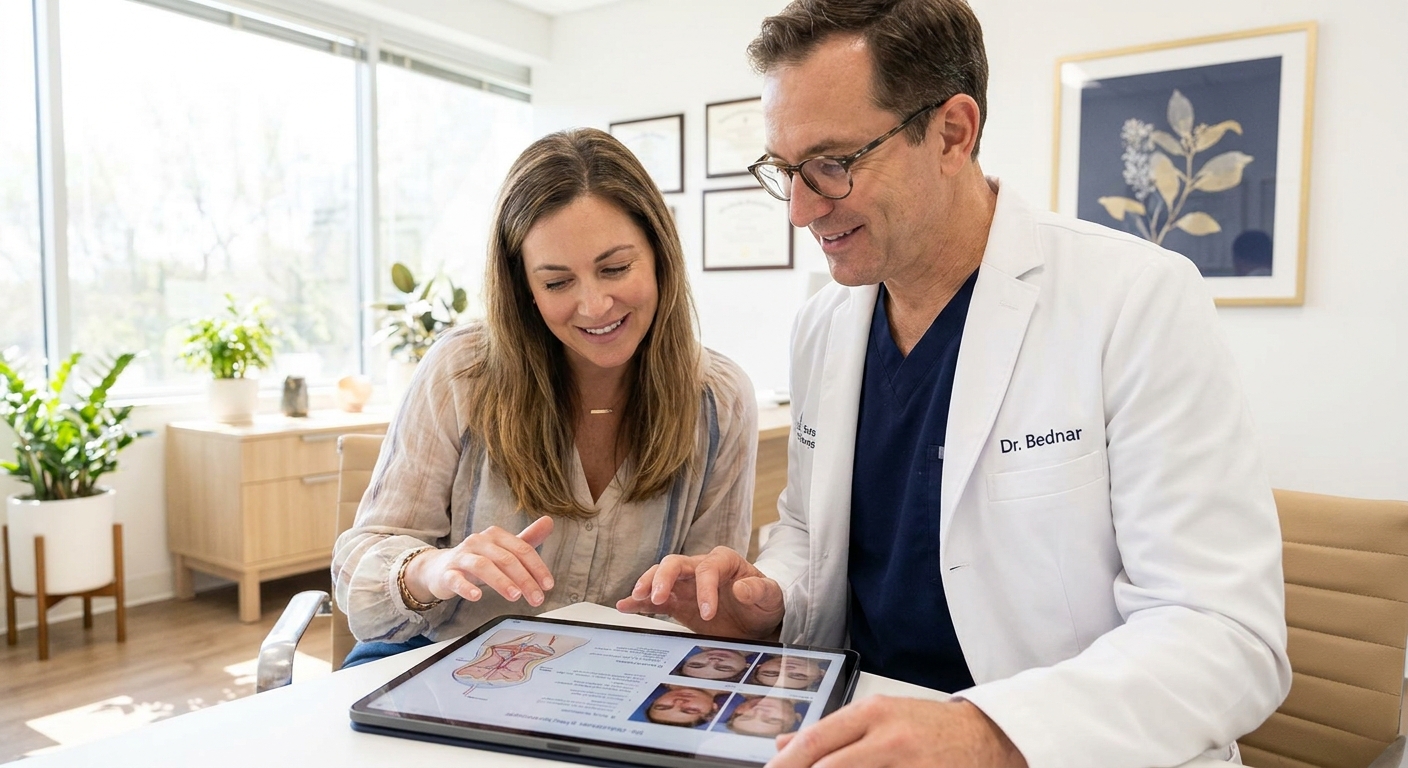
Your journey begins with a detailed consultation. Your surgeon will review your medical history, discuss goals, and examine donor sites. Preoperative imaging may map fat distribution, helping you understand where volume will be sourced and how much augmentation you can expect. Come prepared with questions about expected retention rates and realistic outcomes.
Preoperative considerations
- Maintain a stable weight to ensure consistent fat availability and predictable graft survival
- Avoid smoking and nicotine for at least six weeks before surgery to support optimal healing
- Discontinue blood-thinning supplements or medications as directed by your provider
- Arrange support for the first week of recovery, since you may need assistance with daily activities
What to expect during treatment
Harvesting and processing fat
After sedation or general anesthesia, your surgeon harvests fat via small liposuction cannulas. Common donor sites include the abdomen, flanks, and thighs. Harvested fat is then filtered or centrifuged to separate healthy adipocytes from fluid and debris.
Graft placement and sculpting
Using microcannulas, your surgeon injects processed fat in multiple layers, sculpting the chest with millimeter precision. This step can take 60–90 minutes depending on volume goals and complexity.
Duration and anesthesia
Most procedures last two to three hours. You may have light sedation with local anesthesia or general anesthesia based on your comfort level and surgeon’s protocol. Always confirm anesthesia plans and facility credentials ahead of time.
Recovery and aftercare
Postoperative timeline
- Days 1–3: Expect mild swelling and tenderness; compression garments help control edema
- Week 1: Light activities resume; avoid strenuous exercise and upper-body movements
- Weeks 2–4: Swelling subsides further; most patients return to work within two weeks
- Month 1–3: Fat retention stabilizes; you’ll see about 70–80% of final volume by 12 weeks
- Month 6: Final results emerge as skin and tissues fully settle
Managing discomfort and swelling
- Use cold compresses intermittently for the first 48 hours
- Take prescribed analgesics and anti-inflammatories as directed
- Wear compression garments around donor sites and the chest to support graft integration
Long-term maintenance
Maintain a healthy lifestyle—balanced diet, regular exercise—to preserve results. Weight fluctuations can affect fat graft survival, so aim for consistency. Routine follow-ups help monitor symmetry and address any concerns early.
Comparing enhancement options
Fat grafting vs implants
Implants offer predictable initial volume but carry risks like rupture, capsular contracture, and future replacements. Fat grafting avoids foreign materials, leverages regenerative benefits, and improves scar quality. If you’ve had implants removed, consider post implant removal fat transfer for natural restoration.
Regenerative sculpting vs cryolipolysis
Non-invasive methods such as Coolsculpting use cryolipolysis to freeze and reduce fat cells by up to 25% in a single session [7]. While effective for minor localized reduction, cryolipolysis doesn’t add volume or improve skin quality the way regenerative grafting does. It’s best for fine contouring, not true augmentation.
Surgical reconstruction vs regenerative
Traditional chest wall reconstruction after trauma or mastectomy often relies on muscle or omental flaps [8]. These complex surgeries fill large defects but involve significant morbidity. Regenerative fat grafting can complement reconstruction, enhancing contour and soft tissue coverage without major donor-site sacrifice. Learn more about reconstructive fat transfer under fat transfer for breast reconstruction.
Frequently asked questions
Will my body reabsorb most of the transferred fat?
You can expect about 60–80% of grafted fat to survive long term. Using multi-layer techniques and advanced processing helps maximize retention.
How much volume can I gain?
Most patients increase their breast volume by one to two cup sizes per session. Your surgeon can advise based on donor-site availability and chest dimensions.
Are there any visible scars?
Incisions are very small (2–3 mm) and typically placed in discreet areas. Scarring fades over months and is easily concealed.
Can I combine this with a breast lift?
Yes, combining a lift with fat transfer offers lift and fullness without relying solely on implants. See options for breast lift with fat transfer support.
When can I resume exercise?
Light cardio is often safe after two weeks, but avoid chest-intensive workouts for six to eight weeks to protect grafts.
Is this safe after mastectomy?
Fat grafting is widely used for post-mastectomy contouring and scar improvement. Discuss timing and oncologic safety with your plastic surgeon; many patients pursue it during delayed reconstruction.
With the regenerative chest sculpting technique, you harness your own tissue for a natural, long-lasting breast or chest enhancement. By understanding each step—from consultation to recovery—you’ll be well prepared to make informed decisions that align with your aesthetic goals and lifestyle.
References
- (Millard Plastic Surgery)
- (natural enhancement after pregnancy)
- (post implant removal fat transfer)
- (breast lift with fat transfer support)
- (breast reduction with sculpting)
- (fat transfer for post mastectomy recovery)
- (Mara’s Med Spa)
- (NCBI – Seminars in Plastic Surgery)