After pregnancy, you may notice shifts in your breast volume and shape that go beyond what you expected. If you’re considering natural enhancement after pregnancy, autologous fat transfer can restore fullness, symmetry, and contour without implants. By harvesting fat from one area of your body and gently grafting it to the chest, you benefit from both volume restoration and tissue regeneration. With augmentation with autologous fat, your body uses its own resources to reveal a refreshed silhouette that looks and feels natural.
Understanding how your body has adapted to pregnancy and breastfeeding is essential before pursuing any cosmetic procedure. In this article, you’ll learn about common postpartum changes, explore fat grafting options, assess your suitability, prepare for surgery, and combine treatments for optimal results. Whether you want to lift and volumize, address asymmetry, or refine scars, natural enhancement after pregnancy can help you look and feel your best.
Understand postpartum changes
Common breast changes after pregnancy
During pregnancy and breastfeeding, your breasts undergo significant transformations. You might experience:
- Volume fluctuations: Many women report breast engorgement as milk comes in or feedings are missed, characterized by warmth, hardness, and heaviness. These symptoms often resolve with frequent nursing, pumping, warm compresses, or supportive bras [1].
- Deflation or volume loss: Once milk production tapers, you may notice reduced fullness compared to your pre-pregnancy shape.
- Drop and sagging: Ligaments and connective tissue stretch during pregnancy, which can lead to loss of perkiness and breast ptosis.
- Asymmetry: It’s common for one breast to produce more milk or change shape differently, resulting in uneven size or contour.
- Changes in skin elasticity: Rapid stretching can outpace your skin’s ability to recoil, causing laxity.
Recognizing these shifts helps you set realistic goals for restoring volume, firmness, and balance through natural enhancement after pregnancy.
Tissue and skin changes
Beyond volume, pregnancy and nursing affect the quality of your skin and underlying tissue:
- Stretch marks: Rapid expansion may leave striae that fade to a lighter color over time but rarely disappear completely.
- Texture changes: Collagen remodeling can alter skin thickness and tone around the décolletage.
- Scarring: If you’ve had surgical procedures—such as breast biopsies or corrective revisions—scars can influence overall contour.
- Hormonal shifts: Postpartum hormone levels drive changes in collagen production, impacting elasticity and firmness.
Understanding how soft tissue and skin respond post-pregnancy sets the stage for selecting the right fat grafting approach to rejuvenate both volume and texture.
Discover natural enhancement
Benefits of autologous fat transfer
Opting for your own fat cells to restore breast volume offers multiple advantages:
- Natural look and feel: Transferred fat integrates with native tissue for a soft, realistic contour.
- Minimal scarring: Small liposuction and injection sites heal with discreet marks.
- Dual body contouring: Harvesting fat from areas like the abdomen or thighs refines your silhouette.
- Regenerative effects: Fat grafts carry stem cells that may improve skin quality and vascularity.
- Reduced risk of rejection: Since the material is yours, there’s no risk of implant-related complications.
Comparing grafting approaches
Various fat transfer techniques can achieve natural enhancement after pregnancy:
- Standard fat transfer: Liposuction harvests fat, which is processed and reinjected to restore volume.
- Regenerative breast contour procedure: An advanced method that enriches harvested fat with growth factors to boost graft survival and skin rejuvenation [2].
- Regenerative chest sculpting technique: Targets both breast and upper chest tissue for harmonious contouring [3].
Each method tailors graft preparation and injection patterns to meet your aesthetic goals and tissue needs.
Implant-free enhancement options
If you want to avoid implants entirely, explore these implant-free alternatives:
- Implant-free breast rejuvenation: Combines subtle grafting with noninvasive skin tightening [4].
- Breast contour restoration without implants: Focuses on reshaping using only your own tissue [5].
- Natural breast augmentation fat transfer: Specifically designed to add 1–2 cup sizes with gentle layering of fat cells [6].
These options let you achieve a refreshed chest profile using regenerative, minimally invasive techniques.
Assess your candidacy
Timing and recovery considerations
Choosing the right timing maximizes your results:
- Wait at least six months after you finish breastfeeding to allow breast tissue to stabilize.
- Ensure you are at or near your ideal weight, as significant fluctuations can affect graft survival.
- Plan around major life events, since full recovery may take 4–6 weeks before resuming exercise or heavy lifting.
Health factors and lifestyle
Good candidates typically:
- Are nonsmokers or willing to quit several weeks before and after surgery.
- Maintain a stable weight with a balanced diet and regular exercise.
- Have sufficient donor fat for harvest—common zones include the abdomen, flanks, and thighs.
- Are in overall good health, free from uncontrolled conditions like diabetes or bleeding disorders.
Choosing a qualified surgeon
For safe, predictable outcomes you should:
- Seek board certification in plastic surgery and specific experience in fat grafting.
- Review before-and-after photos of post-pregnancy patients.
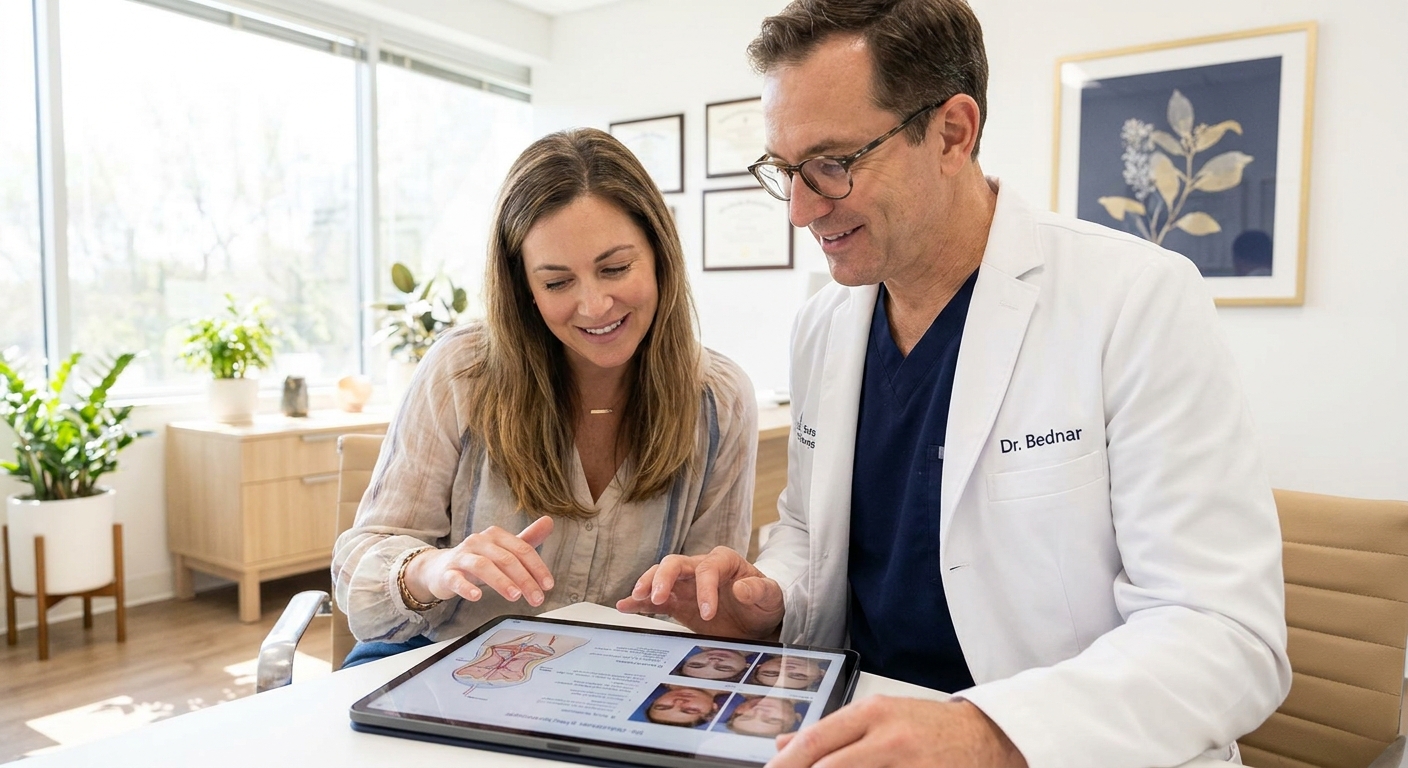
- Discuss your goals and expectations during a detailed consultation.
- Verify that the facility is accredited and equipped for outpatient surgical care.
A skilled surgeon helps you navigate technique selection, grafting volumes, and realistic outcome planning.
Prepare for surgery
Initial consultation and planning
Your surgeon will:
- Review your medical history and any previous breast procedures.
- Examine breast shape, skin quality, and donor sites.
- Discuss target volume and shape goals.
- Provide preoperative instructions, including medication adjustments and fasting guidelines.
Harvesting and grafting process
The procedure generally follows three steps:
Donor site selection
Common harvest areas are the abdomen, flanks, and inner thighs—sites where fat removal also refines your overall figure.
Fat processing methods
After liposuction, fat is purified to remove blood, oil, and fluid. Techniques vary from gentle centrifugation to filtration systems that enhance cell viability.
Fat injection
Your surgeon injects processed fat in microdroplets across multiple tissue planes to ensure even distribution and optimal blood supply.
Expected procedure timeline
- Day of surgery: Procedure lasts 2–4 hours under local anesthesia with sedation or general anesthesia.
- First week: Expect moderate swelling, bruising, and mild discomfort.
- Weeks 2–4: Swelling subsides, and gentle massage may be introduced to shape grafted areas.
- Month 3+: Final contours and graft survival become apparent.
Your surgeon will schedule follow-up visits to monitor healing and address any concerns.
Recover and maintain
Postoperative care tips
- Wear compression garments on donor sites to reduce swelling and support healing.
- Use a soft, supportive bra without underwires for at least four weeks.
- Apply cold packs intermittently during the first 48 hours to ease discomfort.
Managing discomfort and dressings
- Take prescribed pain medication or over-the-counter analgesics as directed.
- Keep incision sites clean and dry. Your surgeon may provide antibacterial ointment to prevent infection.
Resuming activities
- Light walking is encouraged immediately to promote circulation.
- Avoid heavy lifting, vigorous exercise, or chest-targeted movements for 4–6 weeks.
- Gradually increase activity under your surgeon’s guidance.
Long-term maintenance
- Maintain a stable weight; significant gain or loss can affect fat graft longevity.
- Stay hydrated and eat a nutrient-rich diet to support tissue health.
- Consider periodic light massage of grafted areas to help tissue integration.
With proper care, your new contours can remain for many years, reflecting the durability of fat grafting.
Combine complementary treatments
Correct asymmetry and shape
If you notice persistent unevenness, targeted grafting can refine balance:
- Breast fat grafting for symmetry delivers precise volume adjustments to match both sides [7].
Support with lifts and sculpting
For drooping or oversized tissue:
- Breast lift with fat transfer support combines mastopexy with volume enhancement for a perky, full chest [8].
- Breast reduction with sculpting removes excess tissue while using grafting to refine shape and fullness [9].
Address scars and reconstruction
If you have scars from surgery or trauma:
- Scar revision using fat grafting improves skin texture and thickness around scar lines [10].
- Fat transfer for breast reconstruction restores volume and contour after lumpectomy or mastectomy [11].
Achieve total chest harmony
For seamless contour from shoulder to sternum:
- Chest contouring for female patients sculpts the pectoral region and upper chest [12].
- Regenerative chest sculpting technique enhances both skin quality and volume for a unified profile [3].
Combining procedures tailored to your anatomy ensures a cohesive, natural result.
Embrace your transformation
Natural enhancement after pregnancy offers a personalized path to reclaiming your pre-baby curves or achieving new aesthetic goals. By choosing autologous fat transfer, you benefit from soft, realistic volume, minimal scarring, and regenerative skin improvements. With careful planning, expert surgical guidance, and dedicated aftercare, you can restore symmetry, refine contours, and enjoy lasting confidence in your silhouette. Discuss your vision with a qualified plastic surgeon to take the first step toward a beautifully natural post-pregnancy transformation.
References
- (Cleveland Clinic)
- (regenerative breast contour procedure)
- (regenerative chest sculpting technique)
- (implant-free breast rejuvenation)
- (breast contour restoration without implants)
- (natural breast augmentation fat transfer)
- (breast fat grafting for symmetry)
- (breast lift with fat transfer support)
- (breast reduction with sculpting)
- (scar revision using fat grafting)
- (fat transfer for breast reconstruction)
- (chest contouring for female patients)