Natural breast augmentation fat transfer, also called augmentation with autologous fat, offers a way to enhance your breast size and shape using your body’s own tissues. Unlike implants, this implant-free technique gives you a soft, natural feel and avoids prosthetic-related risks. If you prefer implant-free breast rejuvenation, fat transfer can sculpt your contours while slimming donor areas such as the abdomen and thighs.
In this article, you will learn what natural breast augmentation fat transfer involves, who makes an ideal candidate, how the procedure unfolds and what recovery looks like. You will also explore ways to maximize your results, review longevity expectations and discover applications from post-pregnancy restoration to breast reconstruction and symmetry. By the end, you will be equipped to discuss this option confidently with a qualified surgeon.
Understand natural augmentation
What is natural breast augmentation fat transfer?
Natural breast augmentation fat transfer uses small volumes of fat harvested from areas resistant to diet and exercise, such as love handles, abdomen or thighs. Your surgeon performs liposuction to collect fat cells, purifies the harvested tissue and injects tiny strips of fat into the breast. This autologous approach leverages your own cells to add up to one cup size per session, while minimizing visible scarring.
According to Rau Plastic Surgery, this procedure has evolved over three decades into a reliable option for modest breast enhancement, breast contour restoration and revision reconstruction [1]. Because the grafted fat integrates with native tissue, you get a seamless shape that moves and feels like natural breast tissue.
Benefits of the approach
When you choose natural breast augmentation fat transfer, you benefit from:
- Natural look and feel: Fat cells behave like native breast tissue, avoiding the firmness and risk of implant rupture
- Dual body contouring: Liposuction slims donor sites such as the flanks or thighs while enhancing the breasts
- Reduced complications: There is a lower risk of capsular contracture, implant deflation and rupture compared with implants
- Minimally invasive enhancement: Small injections and discreet liposuction incisions promote faster healing
- Sustainable results: Once the transferred fat establishes a blood supply, results are often long-lasting
Explore procedure steps
Harvesting fat
Your surgeon begins by marking donor areas on your body that have sufficient fat to harvest, typically the abdomen, hips or thighs. Under general anesthesia, small cannulas suction fat cells carefully to preserve cell viability. The harvested fat is then placed into a sterile container for purification. According to the Cleveland Clinic, this liposuction step slims donor sites and sets the stage for natural breast enhancement [2].
Purification and injection
After harvesting, the fat goes through centrifugation or filtration to remove impurities, blood and excess fluids. Your surgeon injects purified fat in fine, millimeter-thick strips throughout the breast tissue, ensuring each layer of fat is surrounded by healthy tissue. This technique supports optimal fat survival by maximizing contact with the recipient blood supply. The process continues until your desired volume is achieved, up to about one cup size per session.
Some clinics use specialized protocols such as the BEAULI autologous lipotransfer method, which standardizes fat processing and injection for reproducible results. A study of the BEAULI™ protocol reported stable long-term outcomes over five years, with significant increases in breast dimensions and patient satisfaction [3]. Your surgeon will discuss any proprietary or advanced techniques they employ.
Evaluate ideal candidacy
Who makes a good candidate?
You may be an ideal candidate for natural breast augmentation fat transfer if you:
- Have mild to moderate breast volume loss due to aging, pregnancy or weight changes
- Maintain a stable weight and healthy lifestyle
- Do not smoke and have no significant medical conditions that impair healing
- Have sufficient body fat in areas like the abdomen, thighs or flanks for harvesting
- Seek modest enhancement of about half to one cup size per session
Candidates lacking enough donor fat or hoping for dramatic enlargement of multiple cup sizes may benefit more from traditional implants. The Cleveland Clinic notes that women seeking significant size increases should discuss implant options with their surgeon [2].
When implants may be preferable
Consider breast implants if you:
- Want an increase of more than one cup size in a single procedure
- Have very low body fat or dramatic weight fluctuations
- Prefer a firmer breast shape or require lifting of significantly sagging tissue
- Need a defined projection that fat transfer alone may not provide
Discuss your goals and lifestyle with a board-certified plastic surgeon to determine whether fat transfer, implants or a combination of both is the right choice.
Plan recovery timeline
Immediate post-op care
After your procedure, you will follow instructions to support healing and optimize fat survival. Key post-op measures include:
- Wearing a compression garment on donor sites for 4 to 6 weeks to reduce swelling
- Using a specialized bra to support the breasts without pressing directly on grafted fat
- Managing pain, inflammation and bruising with prescribed medications
- Sleeping on your back and avoiding pressure on the breasts for the first week
Most patients return to desk work or light activity within one to two weeks. Avoid direct pressure, sleeping on your stomach and tight clothing that compresses grafted areas.
Resuming daily activities
You can usually resume light exercise about two weeks after surgery, with a gradual return to full activity by four to six weeks. High-impact workouts, heavy lifting and intense upper-body movements should be delayed until your surgeon confirms that grafted fat has stabilized. Proper rest and incremental activity help ensure the best possible integration of transferred cells.
Assess results and longevity
Fat survival and resorption
Not all transferred fat cells survive the grafting process. Typically, you can expect about 50 to 70 percent of injected fat to maintain a permanent blood supply. Your surgeon often injects slightly more fat than needed to compensate for initial resorption. According to the American Society of Plastic Surgeons, final results settle by six months, with up to half of the relocated fat potentially absorbed by the body [4].
Expected cup size increase
Most patients achieve about a half to one cup size increase per session. If you desire additional volume, you may schedule two to three fat transfer sessions spaced six to twelve weeks apart. Some surgeons recommend combining fat transfer with a breast lift or implant to reach larger size goals while maintaining a natural contour.
Apply to specific needs
Post-pregnancy restoration
If you notice volume loss or shape changes after pregnancy and breastfeeding, natural enhancement after pregnancy can help you regain fullness and confidence. Fat transfer restores lost tissue, smooths irregularities and offers a low-profile, natural solution.
Breast contour restoration
For those seeking breast contour restoration without implants, fat transfer can improve symmetry, fill hollows and refine overall shape. This option is also ideal for post implant removal fat transfer, allowing you to replace implants with your own tissue.
Reconstruction and symmetry
Fat grafting is a cornerstone of fat transfer for breast reconstruction, whether after lumpectomy, mastectomy or revision surgery. You can also address minor asymmetries with breast fat grafting for symmetry, blending contours for a balanced appearance.
Breast lift support
When combined with a breast lift, fat transfer enhances projection and contour. Breast lift with fat transfer support creates a softer, more youthful profile by filling areas that lose volume during tissue tightening.
Scar revision
Fat transfer can improve the appearance of scars on or around the breast, including those from previous surgeries. Scar revision using fat grafting adds volume under indented scars and promotes healthy tissue remodeling.
Choose your provider
Surgeon expertise
Selecting an experienced, board-certified plastic surgeon is crucial. During your search, look for:
- Certification by the American Board of Plastic Surgery or equivalent professional body
- A portfolio of before-and-after photos showcasing fat transfer results
- Training in advanced grafting protocols such as BEAULI or structural fat grafting
- Positive patient testimonials and low complication rates
Consultation checklist
Prepare for your consultation by noting:
- Your aesthetic goals, desired cup size increase and procedural questions
- Your medical history, including any previous breast surgeries or health conditions
- Questions about fat harvesting locations, injection techniques and expected downtime
- Information on costs, financing options and whether multiple sessions may be needed
- Clarification on scar placement, anesthesia plans and follow-up care
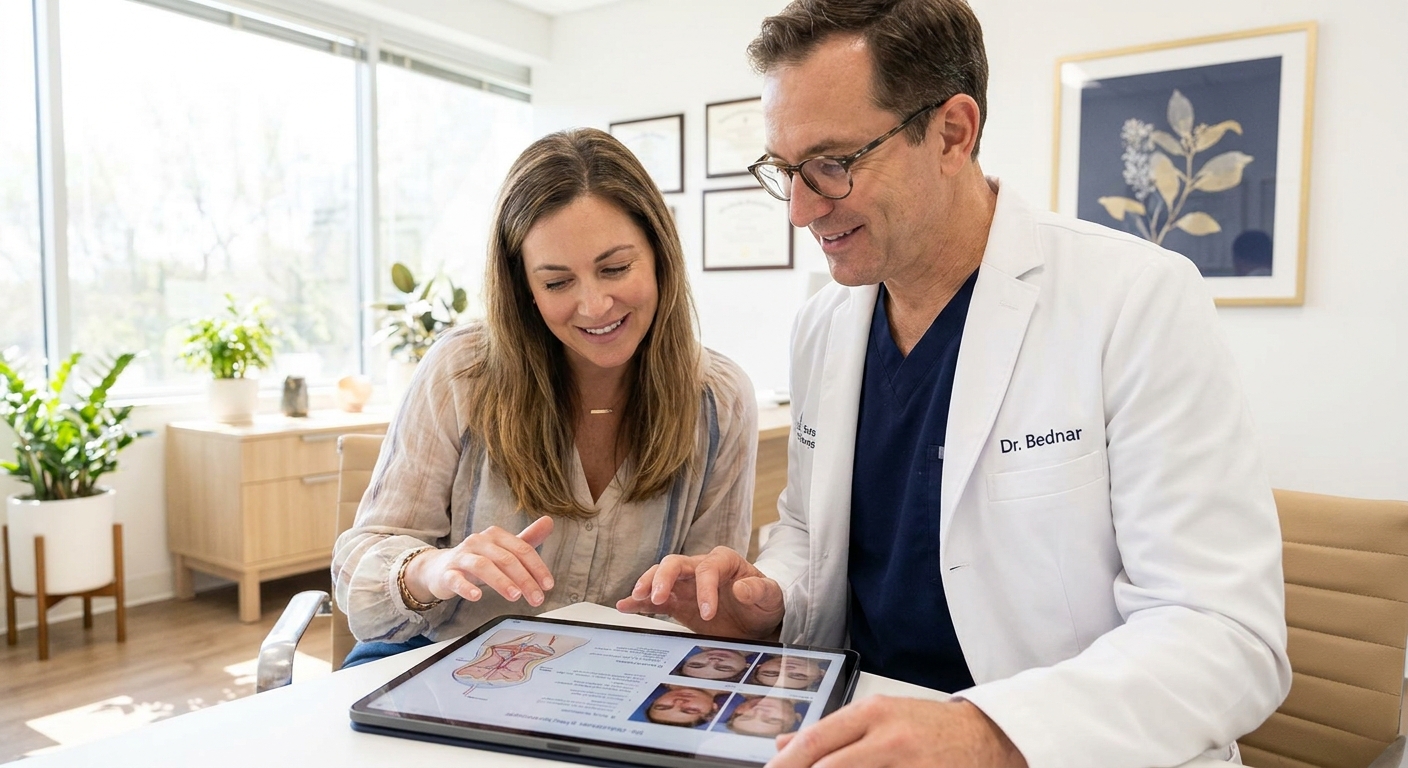
By arriving informed and discussing these details, you set the stage for a successful fat transfer journey.
Now that you understand natural breast augmentation fat transfer, its benefits, steps and applications, you are ready to explore this option with confidence. Consult with a qualified surgeon to personalize your treatment plan and unlock the power of your body’s own regenerative potential.