If you’re considering alloclae breast contouring treatment, you’re investing in a minimally invasive, implant-free approach to enhance your natural shape and boost confidence. This donor-derived injectable fat filler integrates with your own tissues to restore volume, improve contour, and stimulate collagen production for lasting, organic results. Throughout this article, you’ll learn how alloclae works, what to expect before, during, and after your session, and whether it’s the right choice for your goals.
Alloclae breast contouring overview
Alloclae is an advanced injectable fat transfer treatment that uses sterilized, donor-derived adipose tissue rich in collagen, growth factors, and extracellular matrix proteins. Unlike traditional autologous fat grafting, alloclae eliminates the need for liposuction to harvest your own fat. Instead, it relies on processed donor adipose material cleared of cellular debris and DNA to minimize immune reactions and improve safety [1].
Key characteristics of alloclae breast contouring:
- Natural tissue integration: donor fat cells merge seamlessly with your own tissue, avoiding the firmness sometimes linked to synthetic fillers
- Regenerative support: growth factors and collagen-supporting proteins promote long-term skin quality and firmness [2]
- Minimally invasive: a thin cannula through a small puncture delivers the filler in under an hour, with most visits completed in less than 60 minutes
- Durable results: stable donor fat cells can provide volume enhancement lasting 12–18 months or longer, depending on individual factors [3]
By choosing alloclae, you select a structural adipose filler that not only restores volume but also jump-starts regenerative processes in breast tissue, improving texture, elasticity, and firmness over time.
Benefits of alloclae contouring
Alloclae breast contouring treatment offers a blend of aesthetic and regenerative advantages that set it apart from implants and standard fat grafting:
- Subtle, natural results: you get authentic breast contours without the risk of visible implant edges or capsule formation
- Reduced surgical trauma: no general anesthesia, no liposuction sites, and smaller puncture wounds mean less discomfort and scarring
- Faster recovery: most patients resume daily activities within 24–48 hours, with minimal swelling or bruising lasting just days [4]
- Enhanced skin quality: the growth factors in alloclae support collagen production, improving skin texture and firmness over weeks and months
- Versatile contouring: suitable for targeted volume restoration in cleavage, upper pole fullness, or to correct mild asymmetry
- Safe and biocompatible: processed according to FDA tissue safety guidelines to reduce immune rejection risks [5]
Whether you’re seeking a refined lift, filling post-pregnancy volume loss, or a smooth finish around a breast implant, alloclae offers regenerative fat grafting benefits that support long-term tissue health.
Procedure overview and preparation
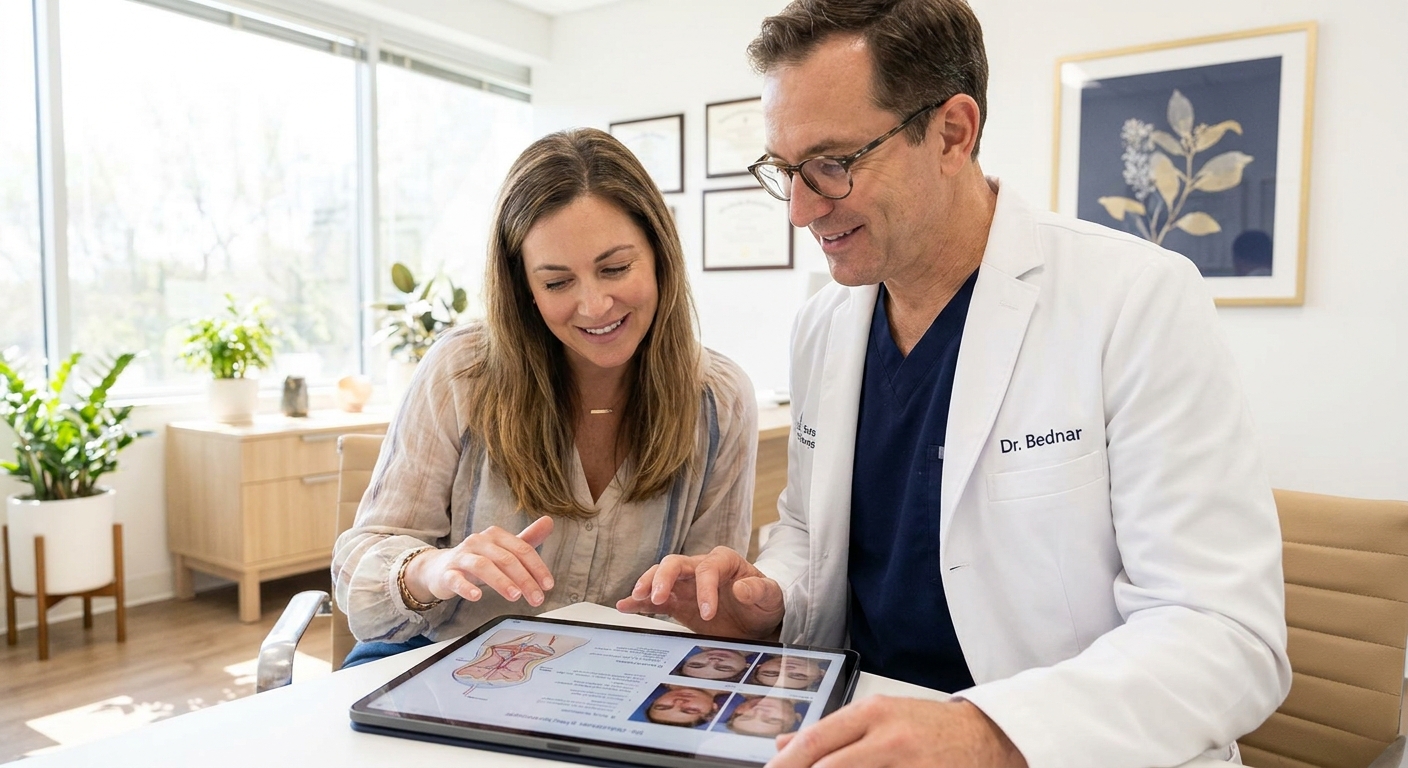
Prior to your alloclae session, you’ll attend a consultation to align on goals, review your medical history, and plan treatment areas. Here’s what typically happens:
- Consultation and planning
- Discuss desired volume increase, symmetry concerns, and any previous breast procedures
- Review photographs and map injection sites for optimal contour
- Pre-procedure instructions
- Avoid blood thinners and NSAIDs for 1 week to reduce bruising
- Stop smoking at least 2 weeks before treatment to support healing
- Day-of preparation
- Local anesthesia or topical numbing cream is applied to target areas
- Your surgeon marks precise injection points to sculpt natural curves
During the session, the provider injects alloclae adipose filler through a thin cannula in strategic layers. You may feel mild pressure or pinching, but anesthesia ensures comfort. Appointments typically last 30–60 minutes depending on volume and number of sites.
For many patients, alloclae complements other techniques like breast lift with fat transfer support or implant-free breast rejuvenation to achieve comprehensive chest and breast aesthetics.
Recovery and aftercare guidelines
After alloclae treatment, you’ll follow simple steps to ensure optimal integration of donor fat cells and minimize side effects:
Expected side effects
- Mild swelling, bruising, or tenderness at injection sites that usually peak at 24–48 hours and resolve within 5–10 days
- Slight firmness or nodularity under the skin, which softens over several weeks
Aftercare tips
- Wear a supportive, non-restrictive bra for 1–2 weeks to reduce movement and support tissue integration
- Apply cold compresses intermittently on day one to curb swelling
- Avoid strenuous exercise and upper-body workouts for 1–2 weeks, then resume gentle activities [2]
- Maintain hydration and a balanced diet rich in protein to support regenerative processes
Recovery timeline
| Timeline | Expected progress |
|---|---|
| 1–3 days | Mild swelling/bruising, daily activities resume |
| 1–2 weeks | Significant reduction in swelling, exercise return |
| 1–3 months | Tissue integration, collagen remodeling |
| 6–12+ months | Full regenerative effects and stable results |
By following your surgeon’s guidance, you’ll support long-term contour stability and natural aesthetics.
Comparing traditional and alloclae
When evaluating your options, it helps to see how alloclae stacks up against other breast contouring methods:
| Feature | Alloclae | Traditional autologous grafting | Implants |
|---|---|---|---|
| Donor source | Purified donor adipose [6] | Your own fat via liposuction | Synthetic silicone or saline |
| Invasiveness | Minimally invasive, small puncture | Moderate to high (liposuction sites) | Surgical incision and pocket creation |
| Anesthesia | Local | Local or general | General |
| Downtime | 1–2 days | 1–2 weeks | 2–4 weeks |
| Scarring | Tiny puncture marks | Liposuction scars plus punctures | Surgical scars |
| Longevity | 12–18+ months [7] | Variable, depends on fat survival | 10–15 years (implant lifespan) |
Alloclae vs traditional grafting
- No liposuction harvest means you avoid donor-site morbidity and extra incisions
- Processed donor tissue reduces debris and cell death, improving safety
Alloclae vs implants
- Natural look and feel with no risk of implant rupture or capsular contracture
- Lighter weight and no foreign body sensation
By understanding these differences, you can make an informed decision aligned with your comfort level and desired outcome.
Applications and specialized cases
Alloclae’s versatility makes it ideal for a variety of aesthetic and reconstructive needs. Below are common use cases where regenerative fat grafting enhances results.
Natural breast augmentation
Alloclae offers subtle volume enhancement that mimics natural anatomy. If you’ve considered natural breast augmentation fat transfer, alloclae provides an implant-free path to fuller, more balanced breasts without additional scarring or synthetic materials. Growth factors in the filler support long-term tissue quality.
Post-pregnancy restoration
Pregnancy and breastfeeding often leave breasts deflated or asymmetrical. Alloclae helps you regain lost volume and improve shape with a tailored approach to natural enhancement after pregnancy. The regenerative properties can also address skin laxity caused by hormonal changes.
Scar revision and reconstruction
Whether you have scars from previous surgeries, biopsies, or injuries, alloclae can soften and smooth those areas. By injecting purified adipose into scar tissue, you encourage remodeling and camouflage raised or indented scars through scar revision using fat grafting.
Post-mastectomy recovery
For patients undergoing breast reconstruction, alloclae serves as a valuable adjunct to implant or flap procedures. It refines shape, corrects contour irregularities, and restores volume in areas difficult to address surgically. Learn more about fat transfer for post mastectomy recovery and how alloclae supports regenerative chest sculpting.
Choosing your provider
Selecting the right surgeon and facility ensures safety, personalized care, and outstanding results.
Board certification and experience
- Confirm your surgeon is board-certified in plastic surgery with specific training in fat grafting and breast contouring
- Ask about their procedural volume and before-and-after gallery for alloclae or similar regenerative treatments
Facility accreditation
- Choose an AAASF-accredited facility to guarantee adherence to strict safety and sterility protocols [1]
- Verify on-site monitoring and emergency equipment are available
Personalized treatment planning
- Seek a provider who customizes injection patterns to your anatomy, symmetry goals, and tissue characteristics
- Ensure they discuss combining alloclae with techniques like breast lift with fat transfer support or regenerative breast contour procedure if needed
Consider your next steps
Alloclae breast contouring treatment can be a transformative way to enhance your figure with natural, long-lasting results. To move forward confidently:
Questions to ask your surgeon
- What is your experience with alloclae and donor fat fillers?
- How do you source and process donor adipose tissue?
- What results can I realistically expect, and do you have before-and-after photos?
- How will you manage my recovery and follow-up care?
Booking a consultation
- Gather medical records, previous imaging, and a list of medications or supplements
- Define your aesthetic goals and prepare questions about safety, cost, and timelines
- Schedule with a board-certified plastic surgeon in an accredited facility to review your candidacy
By taking these steps, you’ll be well-prepared to explore alloclae breast contouring treatment and unlock the confidence that comes with a natural, regenerative enhancement.