Understanding fat transfer
What is fat transfer for breast reconstruction?
Fat transfer for breast reconstruction, also called fat grafting or lipofilling, uses your own fat to rebuild or enhance breast volume. Your surgeon harvests fat via liposuction from areas like the abdomen, thighs, or buttocks, purifies it, and then injects it into the breast tissue. Because it’s your tissue, there’s no risk of rejection or allergic reaction Breastcancer.org.
How it works
The process follows three main steps:
- Liposuction: Under general anesthesia, your surgeon makes small incisions to gently remove fat cells.
- Purification: The collected fat is spun or filtered to remove blood, oil, and excess fluid.
- Injection: Using fine cannulas or syringes, the purified fat is layered into the breast for optimal contour and survival.
Some teams recommend wearing a Brava external expander before and after grafting to stretch breast tissue and improve fat retention Breastcancer.org.
Benefits of the procedure
Natural look and feel
Grafted fat integrates with your existing breast tissue, producing a soft, natural feel. You can expect a subtle increase—up to 1.5 cup sizes—without the firmness or visible edges of implants Cadogan Clinic.
Reduced complication risk
Because fat transfer uses autologous tissue, common implant-related issues like capsular contracture, rupture, or rejection are eliminated. Long-term data show no increase in breast cancer recurrence following fat grafting Breastcancer.org.
Donor area contouring
An added benefit is improved body sculpting at donor sites. Liposuction from the abdomen, hips, or thighs refines your silhouette while providing material for grafting. If you’re seeking an implant-free breast rejuvenation, fat transfer delivers both augmentation and contouring in one procedure.
Candidate selection criteria
Ideal candidates
You may be a good fit if you:
- Need volume restoration after mastectomy or lumpectomy—learn about fat transfer for post mastectomy recovery
- Want a natural alternative to implants, especially natural enhancement after pregnancy
- Have stable weight, overall good health, and sufficient donor fat reserves
When you’re not suitable
Fat grafting may not work for you if you:
- Lack adequate body fat—implants might be a better option Cleveland Clinic
- Require a volume increase beyond about one cup size in a single session
- Have uncontrolled medical issues that raise surgical risk
Procedure overview
Preoperative planning
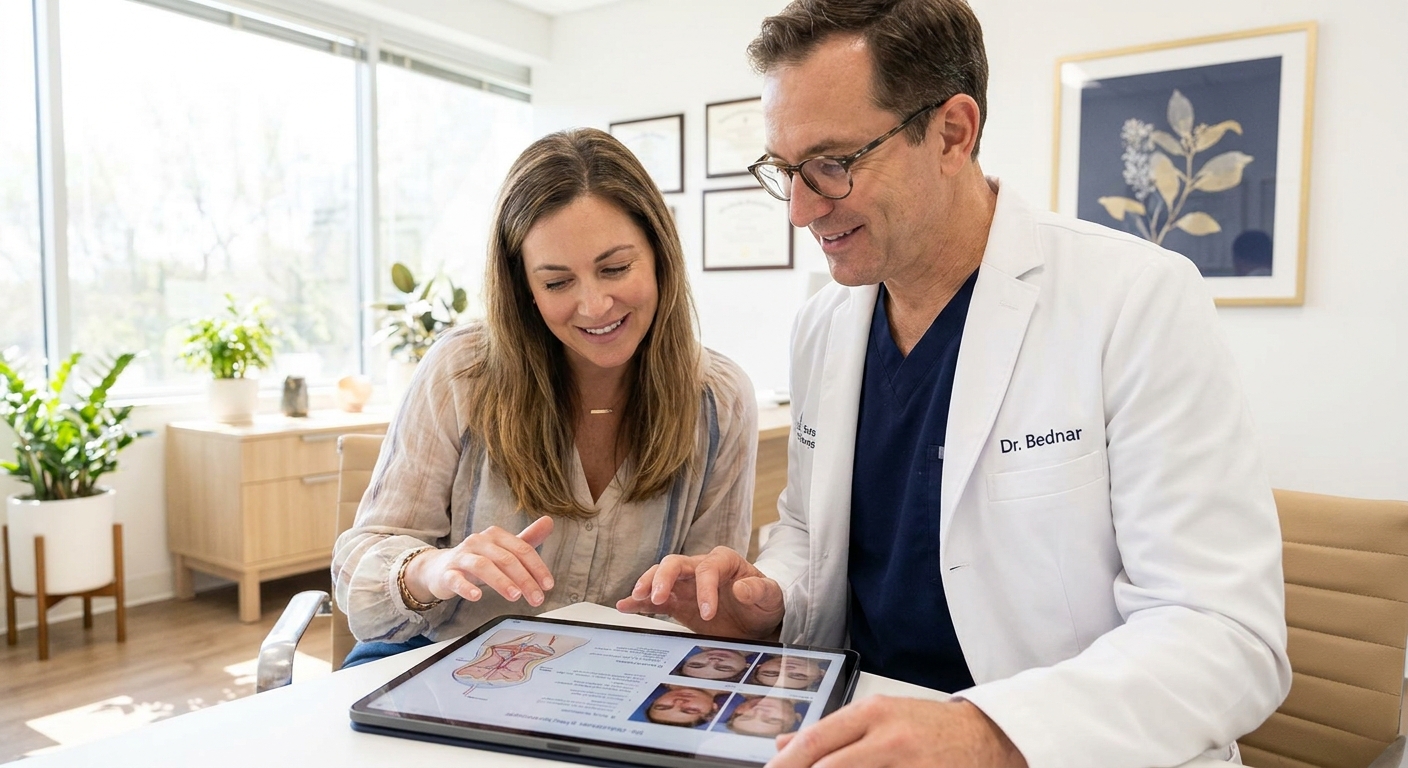
Your surgeon will photograph your chest and donor areas, then map fat harvest and injection sites with a color-coded blueprint for precision UPMC. You’ll discuss whether to use the Brava expander to optimize graft take.
Harvesting and grafting fat
A typical cosmetic grafting session lasts two to three hours, while complex reconstructive cases may take up to five hours. Under general anesthesia, small incisions permit gentle liposuction of donor fat. After purification, your surgeon injects the fat in layers to build shape and enhance survival Memorial Sloan Kettering Cancer Center.
Using an external expander
If you choose Brava, you’ll wear soft suction cups on your breasts daily for several weeks before and after fat transfer. The gentle tension expands tissue, creating space for more fat and boosting retention rates Breastcancer.org.
Recovery and results
Typical timeline
Expect bruising, swelling, and tenderness at both donor and recipient sites for one to two weeks. Most patients return to light activity within 10–14 days and resume normal routines by six weeks Centre for Surgery.
Long-term outcome
Final breast shape and volume settle over four to six months as residual swelling resolves and transferred fat establishes a blood supply. Results can last for years, with optional touch-up grafts if you want more volume Centre for Surgery.
Imaging considerations
Fat grafting can create microcalcifications that show up on mammograms. While this occasionally leads to additional imaging, routine breast screening remains effective and safe Cleveland Clinic.
Risks and considerations
Surgical and anesthesia risks
As with any surgery, you face bleeding, infection, and anesthesia-related complications. Selecting an accredited facility and experienced surgeon helps mitigate these risks.
Fat necrosis and reabsorption
Not all grafted fat survives. You may develop firm lumps (fat necrosis) or require secondary sessions to reach your desired volume. Extended protocols using devices like Brava can lengthen overall treatment time Breastcancer.org.
Enhancing breast symmetry
Symmetry restoration
Fat transfer excels at correcting uneven breasts or post-lumpectomy deformities. Your surgeon can layer fat to balance shape, projection, and cleavage. For more on achieving an even profile, see breast fat grafting for symmetry.
Scar revision
Regenerative properties of fat grafting help soften creases and indented scars after mastectomy or lumpectomy. A single session can improve contour and texture scar revision using fat grafting.
Combining with treatments
Post-implant revision
If you’re removing implants, fat transfer can restore lost volume and prevent a flat or constricted look after explantation. Learn about your options with post implant removal fat transfer.
Lift support
Pairing fat grafting with a breast lift fills upper-pole hollows and maintains fullness while elevating shape. This combined approach offers rejuvenation and lift without implants breast lift with fat transfer support.
Choosing your surgeon
Credentials and experience
Look for a board-certified plastic surgeon with extensive training in autologous breast reconstruction and cosmetic fat grafting. Review before-and-after galleries to confirm consistent, natural outcomes. Practices offering a regenerative breast contour procedure often reflect advanced expertise in fat grafting techniques.
Questions to ask
- How many fat grafting breast reconstruction cases have you performed?
- What is your protocol for fat purification and handling?
- Do you use adjunctive devices like Brava, and what are your retention rates?
- How do you manage complications such as fat necrosis?
- Can you describe your typical recovery timeline and aftercare?
By understanding the fundamentals of fat transfer for breast reconstruction—its benefits, limitations, recovery, and risks—you can make an informed decision that aligns with your goals. With careful surgeon selection and realistic expectations, this natural, minimally invasive approach can help you restore shape, symmetry, and confidence.