

How medical grade chemical peel treatment works
When you choose a medical grade chemical peel treatment, you are selecting a controlled, science-driven way to resurface your skin. During the procedure, a licensed provider applies a chemical solution such as glycolic, lactic, salicylic acid, trichloroacetic acid (TCA), or phenol to your skin. This creates a precise, controlled injury to specific layers of the skin so that the damaged cells shed and are replaced with newer, healthier tissue underneath [1].
As the outer layers peel away, you begin to see smoother texture, more even tone, and a reduction in fine lines, mild acne scars, and discoloration [1]. Unlike spa-grade peels, medical peels use higher concentrations of active ingredients and must be administered by a qualified professional, which allows your treatment to be customized to your skin type, depth of damage, and overall aesthetic goals [2].
You can receive a peel on several areas, most commonly the face, neck, and hands. These are the areas most exposed to sun and environmental damage, which is why you tend to see fine lines, sun spots, and uneven texture there first [1].
Types of medical grade chemical peels
Not every medical grade chemical peel treatment is the same. Your provider will recommend a peel depth and formulation that fits your skin concerns, lifestyle, and downtime tolerance.
Superficial peels
Superficial or light peels penetrate just below the outermost layer of skin. These treatments often use alpha and beta hydroxy acids like glycolic, lactic, or salicylic acid. They gently loosen dead, dull cells and are commonly performed in a series for gradual, consistent improvement.
Light peels are typically used to address:
- Mild uneven texture
- Early fine lines
- Superficial pigmentation and dullness
- Congested pores and mild acne
After a light peel, you can expect some redness, dryness, and mild irritation that usually resolves within 1 to 7 days, and new skin may appear temporarily lighter or darker while it normalizes [3].
Medium depth peels
Medium peels reach deeper into the epidermis and upper dermis, often using higher strength TCA or blended formulas. These are designed for more pronounced sun damage, moderate wrinkles, and visible discoloration or acne scarring.
With a medium peel, you typically experience:
- Redness, swelling, and stinging
- Formation of crusts or scabs
- Healing in about 7 to 14 days, with lingering redness that can last longer [3]
Medium peels provide more dramatic improvement than light peels, but they also involve more downtime, so they are often timed around work, social events, or surgical procedures.
Deep peels
Deep peels go to the mid-reticular dermis where collagen and elastin are more abundant. They commonly use phenol solutions and are reserved for significant wrinkles, severe sun damage, and certain types of deeper scarring [2].
Deep peels can require:
- Sedation or general anesthesia
- Cardiac monitoring and IV fluids because phenol can have systemic side effects such as arrhythmias and renal stress [4]
- Healing over about 2 weeks, with intense redness, swelling, burning, and possible eyelid swelling, and longer-term color changes in the skin [3]
Because of the risks and extended recovery, deep peels are used selectively and are not appropriate for everyone, especially if you have darker skin tones or certain health conditions.
Why a medical grade peel boosts your skin
The reason a medical grade chemical peel treatment can have such a visible impact is that it works on multiple levels of your skin biology at once.
Exfoliation and skin turnover
By dissolving the bonds that hold dead cells on the surface, peels rapidly increase your rate of exfoliation. This helps:
- Smooth rough or uneven texture
- Reduce the appearance of enlarged pores
- Unclog pores that contribute to acne and blackheads
Medical formulations such as the PCA Advanced Skin Care System® use alpha and beta hydroxy acids to gently loosen old, dead skin cells and reveal fresher, healthier cells beneath, giving you a light to medium-depth peeling effect [5].
Collagen stimulation and firmness
Beyond surface exfoliation, medical grade peels create a brief, controlled inflammatory response in the deeper skin layers. This triggers your body to increase cell turnover and collagen production, which helps your skin become firmer and more resilient over time [2].
With a personalized series of peels spaced about 4 to 6 weeks apart, or more frequently for acne-prone skin, you can see gradual improvements in fine lines, early laxity, and overall elasticity [2].
Pigment correction and clarity
If you struggle with blotchy pigmentation, sun spots, or post-acne marks, a peel can target melanocytes and uneven pigment in multiple layers of your skin. Specific formulations, such as PCA Peel® Hydroquinone Free with lactic, salicylic, kojic, and citric acids, are designed to correct pigment irregularities while also treating acne and congestion, even in more sensitive or ethnic skin types [5].
For melasma or chronic sun damage, your provider may pair peels with brightening skincare to maintain and extend your results.
Benefits compared with spa or home peels
Over-the-counter acids and spa peels can give you a temporary glow, but they do not match the potency, depth control, and customization of a medical grade chemical peel treatment.
Medical peels:
- Use higher percentages of active ingredients for more significant change
- Can be selected as superficial, medium, or deep depending on your needs [3]
- Are tailored to your skin type, medical history, and other treatments you are planning or have already had [2]
In a medical setting, you are also monitored for complications, and your aftercare is directed by professionals who understand how to prevent and manage side effects such as hyperpigmentation or prolonged redness [4].
If you are considering in-office peels specifically for post-acne texture, you may also want to review dedicated options such as a chemical peel for acne scars, which can be combined with other modalities.
Ideal timing around cosmetic surgery
If you are planning facial or body surgery, or if you have already had a procedure, a medical grade chemical peel treatment can be integrated strategically into your overall plan.
Before surgery
Before surgery, a series of light or medium peels can:
- Improve your skin quality and elasticity
- Clear congestion and surface irregularities
- Create a healthier canvas that often heals better and looks more refined after surgery
Your provider may also recommend complementary non-surgical treatments, such as radiofrequency skin tightening treatment or microneedling with prp therapy, to support collagen remodeling and tighten mild laxity ahead of an operation.
After surgery
Once you are fully healed and cleared by your surgeon, a peel can refine residual issues that surgery alone cannot correct, including:
- Fine lines around the eyes and mouth
- Sun spots and mottled pigmentation
- Residual acne scars or textural irregularities
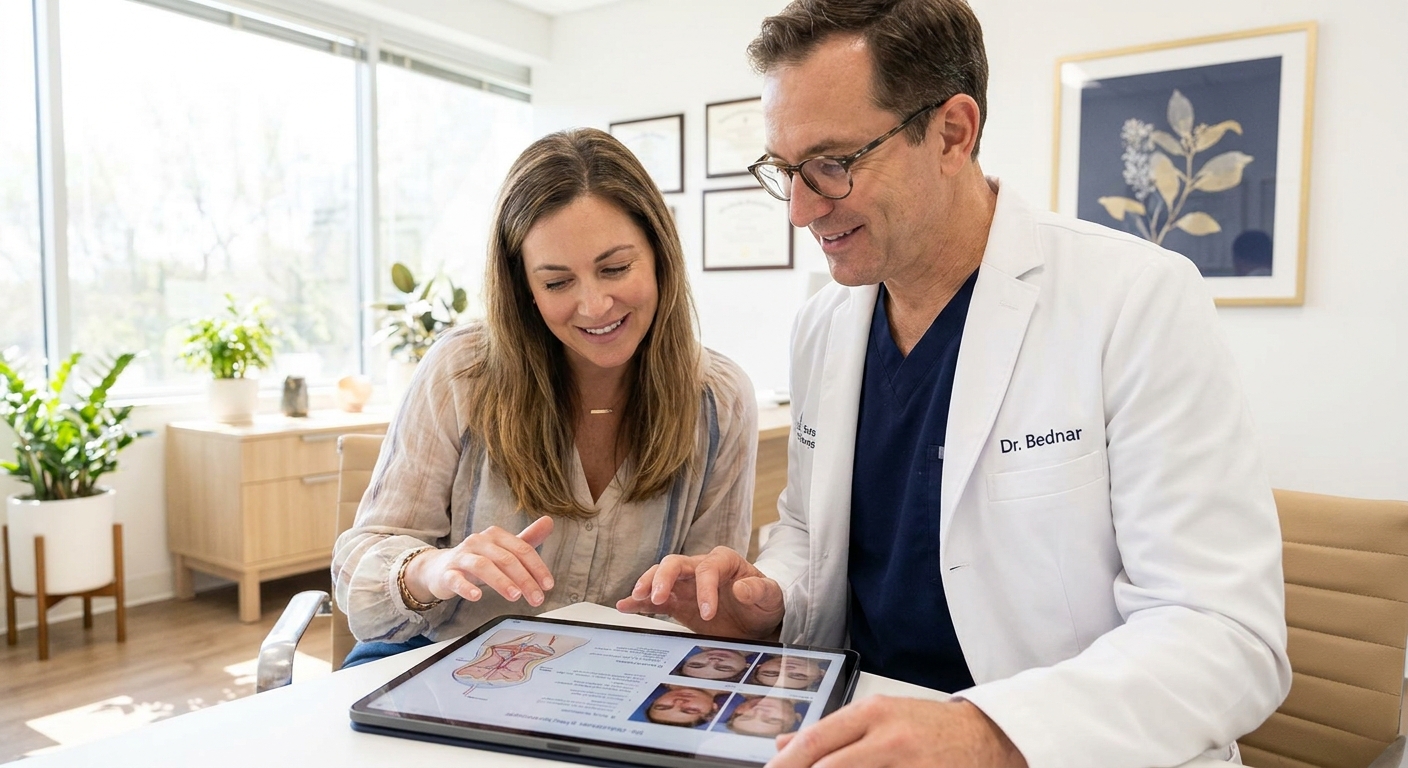
In a medspa setting that is integrated with a surgical practice, like Dr. Bednar’s, your chemical peel can be coordinated with treatments such as laser skin resurfacing facial and skin resurfacing and restoration for comprehensive, long-term rejuvenation.
Customizing your peel to your skin type
Your skin history and tone guide what kind of medical grade chemical peel treatment is safest and most effective for you.
Considerations for sensitive or ethnic skin
If your skin is sensitive, rosacea-prone, or more deeply pigmented, your provider will typically choose gentle blended formulas and avoid overly aggressive depths in order to limit the risk of post-inflammatory hyperpigmentation.
Formulas like Sensi Peel®, which includes lactic acid, TCA, azelaic acid, arbutin, and L-ascorbic acid, are designed for ethnic and extremely sensitive skin. They help strengthen the skin barrier, brighten tone, and provide anti-inflammatory benefits that can calm redness and rosacea [5].
Since darker skin types have a higher risk of developing hyperpigmentation after more aggressive peels, your dermatologist may recommend conservative peel depths, strict sun protection, and supportive depigmenting agents after treatment [6].
Peels for acne, texture, and aging
If your main concern is active acne or congestion, formulas rich in salicylic acid can help unclog pores and reduce oil, while blended TCA peels are useful for acne, hyperpigmentation, and fine lines, with options tailored for both sensitive and more resilient skin types [5].
If your priorities are aging, laxity, or uneven tone, retinoid boosters such as Ultra Peel® II or Esthetique Peel can be layered with your main peel to enhance exfoliation, hydration, and pigment correction. Esthetique Peel, which combines retinol and lactic acid, is particularly effective for aging skin, mild laxity, sensitive acne, rosacea, and hyperpigmentation [5].
Your provider may also suggest adjunctive treatments from our collagen stimulating facial therapies or anti aging medspa services to reinforce and maintain your results.
What to expect during and after treatment
Understanding what happens before, during, and after your peel helps you plan confidently and protect your results.
During your appointment
A medical grade peel is usually done as an outpatient procedure:
- Your skin is cleansed thoroughly and sometimes prepped with a degreasing solution.
- The peel solution is applied in one or more passes, depending on the desired depth.
- You may feel warmth, tingling, or stinging while the solution is active.
- For many peels the solution is neutralized or removed at a specific time. For some retinoid-based peels, you may leave the clinic with the solution on your skin and wash it off later at home.
For deeper or phenol-based peels, sedation, local anesthesia, or even general anesthesia might be required, and your heart, fluids, and vital signs may be monitored because of the potential systemic effects of phenol [6].
Early recovery and peeling
Immediately after your peel, your skin is more fragile. You may notice:
- Redness and swelling
- Dryness and tightness
- Gradual darkening or frosting of treated areas followed by visible flaking or peeling
For light peels, most of this resolves within a week. Medium peels usually take 7 to 14 days to heal, with crusting and more pronounced peeling, while deeper peels require roughly two weeks and involve more intense symptoms such as burning and throbbing [3].
Many patients find that the most intense peeling occurs around days 3 and 4, and it is important not to pick or pull at flakes during this period, since that can cause discoloration or even scarring [7].
Full healing and return to activities
Over the first two weeks, your skin continues to rebuild its protective barrier. According to detailed recovery guidance, most patients can resume makeup by about the second week and return to normal activities, including swimming and strenuous exercise, by around the third week as long as they follow their provider’s instructions [7].
Since chemical peels are typically considered cosmetic, they are usually not covered by insurance, and your provider will help you understand your options and expected course of treatment in advance [1].
Safety, risks, and how to reduce them
Any medical grade chemical peel treatment carries potential risks, which is why a thorough consultation and careful aftercare are essential.
Possible side effects and complications
Common and expected reactions include temporary redness, dryness, tightness, swelling, and peeling. Possible complications include:
- Temporary or permanent changes in skin color
- Post-inflammatory hyperpigmentation, particularly in darker skin tones
- Low risk of scarring, higher with deeper peels or if you pick at the skin
- Reactivation of cold sores in patients with a history of herpes simplex
- Rare bacterial, viral, or fungal infections [6]
Persistent redness beyond 15 to 30 days after a medium depth peel can be an early sign of potential scarring and should be evaluated promptly by your provider [4].
Deep phenol peels have additional rare but serious systemic risks, including cardiac arrhythmias and kidney toxicity, which is why they require close monitoring and are not suitable for many patients [4].
How your provider helps protect you
To keep you safe, your clinician will:
- Review your full medical history, including tendency to scar or develop keloids
- Ask about past cold sores and may prescribe preventive antiviral medication around the time of your peel to reduce herpes reactivation risk [4]
- Choose the appropriate peel depth and formula for your skin tone and concern
- Give you precise aftercare instructions and follow-up appointments
If your skin is at higher risk for hyperpigmentation, your plan may include pre- and post-peel brightening regimens and strict sun avoidance, combined with broad-spectrum sunscreen every day [4].
Protecting and extending your results
The long-term success of your medical grade chemical peel treatment depends heavily on how you care for your skin afterward.
Sun protection and ongoing skincare
For at least 6 weeks after your peel, you must avoid direct sun exposure as much as possible and apply broad-spectrum SPF consistently every day. This helps prevent abnormal pigmentation and protects your healing skin [7].
Your provider may recommend a simple, non-irritating regimen during early recovery, then gradually introduce more active products once your barrier is restored. Hydrating and restorative treatments, such as a hydrafacial brightening treatment, oxygen facial for skin renewal, or skin renewal and hydration facial, can support your results without disrupting healing when timed correctly.
Complementary medspa services
To maintain and build on your peel outcomes, you might also consider:
- Dermaplaning and exfoliation service for gentle, periodic surface smoothing
- IPL photofacial treatment to further reduce redness and pigment irregularities
- Non surgical facial rejuvenation programs that combine multiple modalities for ongoing refinement
- Custom facial rejuvenation program that aligns peels with other technologies like skin tightening without surgery, prp and exosome facial enhancement, and facial contouring non surgical options
When your peel is integrated into a broader advanced skincare aesthetic services plan, you are more likely to see consistent, lasting improvements in tone, texture, and overall skin health. If you are also addressing body concerns, treatments such as non surgical body contouring can be scheduled alongside facial work for a balanced, harmonious result.
A medical grade chemical peel can be a powerful standalone treatment, or it can be part of a carefully coordinated strategy that includes surgery, energy-based devices, and ongoing maintenance to keep your skin looking clear, smooth, and refreshed.
By working closely with an experienced medspa team linked to your surgical provider, you can time each treatment phase appropriately, minimize risks, and maximize the visible boost in your skin’s quality and radiance.