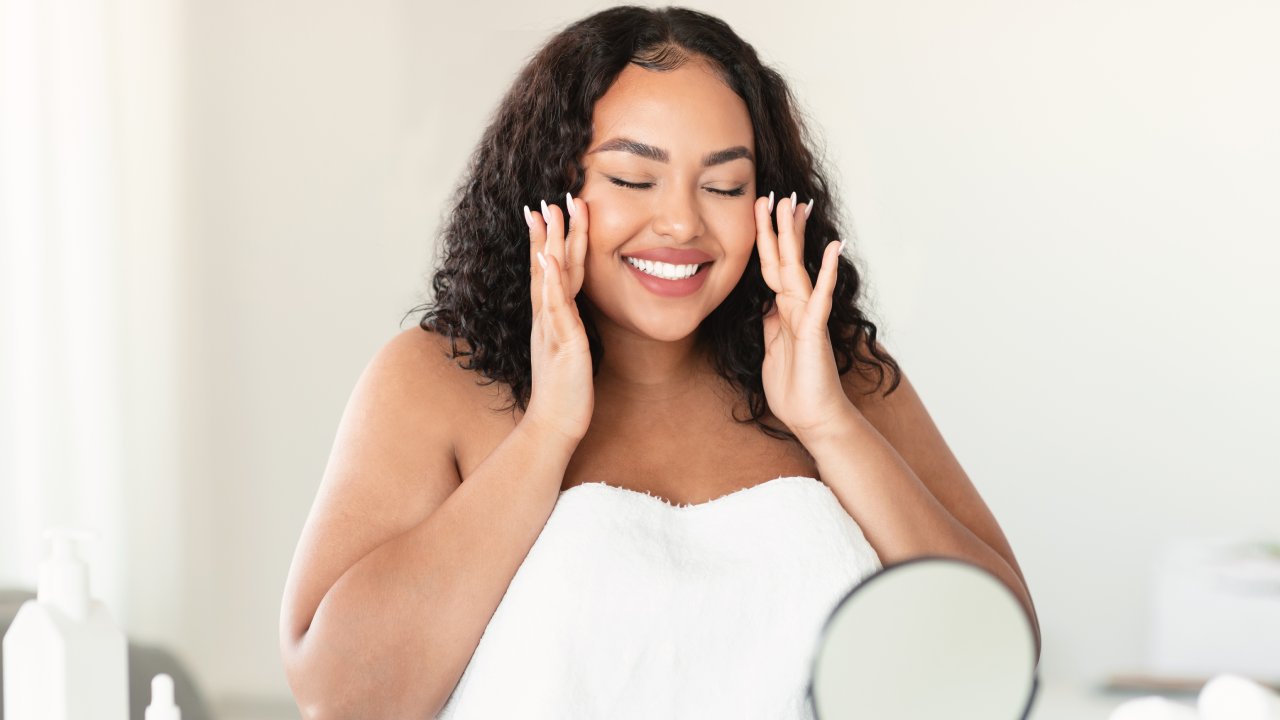


Understanding radiofrequency skin tightening treatment
If you are looking for firmer, smoother skin without surgery, radiofrequency skin tightening treatment can be an effective option. Radiofrequency, or RF, uses controlled electromagnetic energy to gently heat the deeper layers of your skin. This heat stimulates your natural production of collagen and elastin, the proteins that give your skin structure, elasticity, and resilience.
Over several weeks, this renewed collagen framework can help lift and tighten mildly sagging skin, soften fine lines, and refine your overall skin texture. According to the Cleveland Clinic, RF skin tightening is a nonsurgical treatment that can provide results similar to a facelift in selected patients, although the effects are temporary and more modest than surgery [1].
At Dr. Bednar’s medspa division, RF is often integrated with other non-surgical therapies such as microneedling with prp therapy, laser skin resurfacing facial, and non surgical body contouring to complement or maintain cosmetic surgery results. This combined approach helps you achieve a more complete, natural-looking rejuvenation.
How RF skin tightening works
Radiofrequency skin tightening treatment uses low frequency electromagnetic waves, typically around 450 kHz, to generate heat within the dermis. As this energy is delivered, your skin temperature is raised in a controlled way while the surface is protected and cooled.
A review cited by Medical News Today explains that maintaining a dermal temperature above about 115°F (46.1°C) for several minutes activates heat shock proteins that trigger collagen remodeling and new collagen production [2]. In simple terms, the treatment creates tiny, controlled thermal injuries beneath the surface. Your body responds by repairing this micro damage with fresher, tighter, better organized collagen.
Because RF targets deeper tissue rather than the top layer of your skin, it is considered safe for all skin types and tones when used properly. Medical News Today notes that RF skin tightening is generally safe for patients with darker complexions, since it does not significantly affect melanin in the epidermis [2].
What RF treatment can improve
Radiofrequency skin tightening focuses on restoring firmness and elasticity, but you may notice multiple improvements at once.
Skin laxity and early sagging
RF treatment is especially useful if you are starting to see mild to moderate sagging rather than advanced skin laxity. The Cleveland Clinic reports that RF is most effective for younger individuals who show early signs of aging, while it is less effective on severely sagging skin that usually requires surgery for optimal correction [1].
Areas commonly treated include:
- Lower face and jawline
- Cheeks
- Neck
- Around the eyes
- Abdomen and flanks
- Arms, thighs, and knees
RF skin tightening can also be integrated into facial contouring non surgical options, for example to subtly enhance the jawline or refine fullness under the chin.
Fine lines, wrinkles, and texture
By stimulating collagen and elastin, RF treatment can reduce the appearance of fine lines and mild wrinkles, particularly:
- Crow’s feet
- Fine creases around the mouth
- Early laxity in the lower face and neck
BrunnerMD notes that RF can also increase cell turnover and improve overall skin tone and texture, contributing to a smoother and more rejuvenated appearance [3]. When combined with resurfacing procedures such as skin resurfacing and restoration or a medical grade chemical peel treatment, you can address both deeper laxity and surface imperfections like pigmentation or roughness.
Scars, contour, and fat reduction
Medical News Today notes that RF energy can help reduce the appearance of some scars and localized fat deposits, depending on the device and treatment protocol [2]. Certain RF platforms are designed for:
- Gentle tightening of acne scarred areas when paired with other therapies
- Subtle slimming of the lower face
- Smoothing of mild contour irregularities after surgery
If you are specifically interested in scar revision, RF can be one part of a broader plan that might include a chemical peel for acne scars, prp and exosome facial enhancement, or other collagen stimulating facial therapies.
What to expect during your RF session
Understanding what happens during radiofrequency skin tightening treatment can help you feel more comfortable with the process.
Treatment preparation
Your visit will typically begin with a consultation to evaluate your skin quality, health history, and aesthetic goals. If you have recently had surgery with Dr. Bednar, your medspa plan is often coordinated to support and maintain your surgical results.
At your treatment appointment, your provider will:
- Cleanse the area
- Apply gel or a coupling medium if needed
- Configure the device settings based on your skin type and treatment area
In many cases, RF skin tightening is well tolerated without numbing. Providers may use external cooling or, for more intensive protocols, apply topical anesthetic or offer comfort measures. BrunnerMD notes that many patients describe the sensation as similar to a hot stone massage over the face, with warmth and mild pressure [3].
Sensations during treatment
During your session you can expect:
- Gradual warmth building in the treated area
- A feeling of pressure or massaging as the handpiece moves over your skin
- Occasional brief spikes of heat that resolve quickly
Clear Dermatology describes the sensation as tolerable heat, with post treatment skin sometimes feeling like a mild sunburn [4]. The Cleveland Clinic notes that sessions usually last about 45 to 60 minutes, depending on the size of the area [1].
Recovery, results, and longevity
One of the key advantages of RF skin tightening is minimal downtime compared with surgery.
Immediately after treatment
Most patients can return to normal activities the same day. You may notice:
- Redness or flushing that resolves within hours to one day
- Mild swelling or warmth
- Possibly pinpoint bleeding with certain RF microneedling devices, which usually settles within 24 hours
The Cleveland Clinic and BrunnerMD both note that side effects are usually mild and temporary when treatment is performed correctly [5]. Most patients do not require extended recovery time or time off work.
When you see results
RF skin tightening is a collagen remodeling treatment, which means your best results build gradually. Across multiple sources, including the Cleveland Clinic, Medical News Today, and Finesse Cosmetic Laser, you can expect a general timeline such as:
- Early changes in tone or subtle firmness within several weeks
- More visible tightening after 2 to 3 months
- Continued improvement for up to 6 months as collagen matures [6]
Finesse Cosmetic Laser notes that many patients start to see more noticeable tightening after 2 or 3 sessions, with optimal results about one month after the final treatment [7].
How long results last
According to the Cleveland Clinic and BrunnerMD, the effects of RF skin tightening often last between one and three years, depending on your skin care, lifestyle, and the natural aging process [5]. Maintenance treatments are commonly recommended, for example:
- A short series of initial treatments
- Follow up sessions every several months or annually, based on your needs
You can also protect and extend your results with a custom facial rejuvenation program that incorporates medical grade skincare and periodic treatments like skin renewal and hydration facial or hydrafacial brightening treatment.
How many RF sessions you may need
The number of treatments you need depends on your baseline skin quality, the device used, and your goals. Cosmetic Laser Dermatology notes that some proprietary RF procedures may produce full results with a single session, while other devices typically require 2 to 4 treatments spaced 4 to 6 weeks apart [8].
Finesse Cosmetic Laser reports that most patients undergoing FotoFacial RF need 3 to 5 initial sessions, then periodic maintenance every 3 to 4 months to sustain improvements [7]. Clear Dermatology recommends a series of three sessions about 4 to 6 weeks apart for optimal, additive results [4].
During your consultation, your provider will recommend a schedule tailored to:
- The area being treated
- Severity of laxity
- Whether you are using RF as a stand alone treatment or to maintain surgical outcomes
- Your willingness for maintenance visits
RF is often used alongside other anti aging medspa services so that you can address multiple layers of aging, including texture, volume, and tone.
Safety, side effects, and candidacy
Radiofrequency skin tightening treatment is considered safe for most healthy adults when it is performed by a qualified practitioner using FDA approved devices. Understanding potential risks and whether you are a good candidate helps you make an informed decision.
Safety profile and side effects
Major clinical sources agree that RF skin tightening is generally safe with minimal downtime:
- The Cleveland Clinic reports mild side effects such as redness and swelling that typically resolve within 24 hours, with rare burns if the procedure is done improperly [1].
- Medical News Today notes common side effects of pain, swelling, and redness, and emphasizes that burns are more likely with improper use or over exposure, particularly with at home devices [2].
- Clear Dermatology describes post treatment skin as feeling like a sunburn, with discomfort usually mild and short lived [4].
To minimize risk, it is important to:
- Work with experienced providers
- Ensure that your device and protocol are appropriate for your skin type
- Disclose your medical history, including any implanted electronic devices or metal in the treatment area
Who is a good candidate
You are likely a good candidate for RF skin tightening if you:
- Are a healthy, nonsmoking adult or are working toward smoking cessation
- Have mild to moderate skin laxity, not severe sagging
- Want noticeable but natural improvement without surgery
- Are prepared for gradual results rather than instant transformation
- Have realistic expectations about what non surgical treatments can achieve
Clear Dermatology notes that RF is considered safe for all skin types, including darker complexions, when used correctly [4]. If you have more advanced laxity, your provider might suggest a surgical lift combined with RF and other non surgical facial rejuvenation to maintain your results long term.
RF treatments before and after cosmetic surgery
One of the strengths of Dr. Bednar’s medspa division is the seamless integration of non-surgical care with surgical procedures. Radiofrequency skin tightening can support your results in multiple ways.
Preparing your skin for surgery
Before surgery, RF and related therapies can help:
- Improve skin quality and elasticity, which may enhance healing
- Tighten mild laxity in adjacent or untreated areas
- Create a more uniform foundation so surgical changes look more natural
Your pre surgery plan might also include dermaplaning and exfoliation service or oxygen facial for skin renewal for enhanced circulation and surface refinement.
Maintaining and refining surgical outcomes
After your recovery period, RF skin tightening can:
- Help maintain lift and contour as collagen naturally declines over time
- Address mild laxity that can re emerge years after surgery
- Fine tune areas that were not surgically treated but now appear relatively lax
Some patients also choose complementary options such as an ipl photofacial treatment or advanced skincare aesthetic services to treat sun damage, redness, or pigmentation while RF addresses deeper support.
When RF skin tightening is thoughtfully combined with surgical and non-surgical treatments, you are not simply chasing one concern at a time. Instead, you are following a coordinated plan that respects how your skin and tissues age as a whole.
In office RF vs at home devices
You may see handheld RF devices marketed for home use. Medical News Today notes that small studies have shown some positive results with at home RF devices priced between about 150 and 700 dollars, when used correctly and with medical guidance [2].
However, there are important differences between in office and at home treatments:
- Professional RF devices are more powerful and are used by trained providers who can monitor your skin temperature and response in real time.
- Clinical settings prioritize safety protocols and can adjust energy delivery to match your anatomy and goals.
- At home devices carry a higher risk of inconsistent results or burns if instructions are not followed precisely.
If you are considering an at home device, it is wise to consult with your provider first and ensure any product you use is FDA cleared for your skin type and area. Many patients find that in office RF, combined with a well designed home skincare routine, offers a more predictable and efficient path to visible improvement.
Integrating RF into your rejuvenation plan
Radiofrequency skin tightening treatment is most powerful when it is part of a thoughtful, long term approach to your skin health and appearance. As you design your plan with your provider, you might combine RF with:
- Surface therapies like laser skin resurfacing facial, skin resurfacing and restoration, or ipl photofacial treatment to address texture and pigmentation
- Collagen boosting options such as microneedling with prp therapy or collagen stimulating facial therapies for more comprehensive remodeling
- Hydrating and brightening services including skin renewal and hydration facial or hydrafacial brightening treatment
- Targeted lifting and contour procedures through skin tightening without surgery and facial contouring non surgical options
With coordinated planning, RF can help you maintain the benefits of surgery for years, or offer an alternative if you are not ready for an operation. Working with a team that understands both surgical and medspa approaches allows you to choose the level of intervention that fits your lifestyle, comfort, and goals at every stage.