
Understanding regenerative fat
If you’re considering body sculpting with regenerative fat to refine your figure, it’s important to understand what sets this approach apart. Regenerative fat grafting is a cosmetic procedure that uses your own adipose tissue—rich in stem cells—to enhance volume, improve skin quality, and reshape targeted areas. Because it taps into the regenerative capabilities of fat cells, you not only receive contouring benefits but also potential improvements in skin texture and elasticity.
Regenerative fat transfer originated from techniques pioneered by Dr. Coleman in the mid-1990s, who observed that fat grafts could enhance skin quality beyond simple volume replacement [1]. Today, specialists like Dr. Bednar combine precision liposuction, advanced fat processing, and artistic sculpting to deliver high-definition results with minimal downtime. Whether you seek natural athletic definition or a softer silhouette, understanding how regenerative fat works helps you set realistic expectations for your outcome.
Definition of regenerative fat grafting
- Harvesting: Fat is liposuctioned from donor sites such as the abdomen or flanks.
- Processing: Adipose tissue is purified to concentrate viable adipocytes and stem cells.
- Reinjection: Processed fat is strategically injected to reshape areas like the abdomen, thighs, or buttocks.
How it differs from synthetic fillers
Synthetic fillers provide immediate volume but may require repeated treatments and carry risks of allergic reaction. In contrast, regenerative fat grafting uses autologous tissue that integrates naturally and can last for years, with up to 75% fat retention reported over time [1].
Role of adipose-derived stem cells
Adipose-derived stem cells represent one of the highest concentrations of adult stem cells in the body, at approximately 5,000 cells per gram of fat. These cells can differentiate into fat, bone, cartilage, even vascular tissue, promoting improved skin health and volume maintenance.
Comparing treatment options
Choosing the right body contouring path requires balancing immediate results, recovery time, and risk. Below we compare surgical and non-surgical methods to help you decide which aligns with your goals.
Surgical body contouring overview
Surgical procedures such as lifts, tucks, and liposuction deliver noticeable and immediate reshaping. They address excess skin after weight loss and refine stubborn areas.
Lifts and tucks
- Target areas: abdomen (tummy tuck with liposuction contouring), arms, thighs
- Benefits: Removes excess skin, tightens underlying tissue
- Recovery: Several weeks to months
Liposuction techniques
- Precision body sculpting liposuction: uses microcannulas for smooth results
- High definition body contouring: accentuates natural muscular lines
- 360 liposuction and contour refinement: comprehensive circumferential sculpting
Non-surgical options
Non-invasive treatments offer minimal downtime but typically require multiple sessions for visible change.
- Cryolipolysis (fat freezing): Destroys fat cells via cold temperatures [2]
- Radiofrequency energy: Heats subcutaneous fat and boosts collagen
- Ultrasound: Ruptures fat cells with sound waves
- Light-based energy: Uses lasers to tighten skin and reduce circumference
- Low-level light therapy (LLLT): Photobiomodulation for temporary fat reduction
Treatment comparison table
| Feature | Surgical contouring | Non-surgical sculpting |
|---|---|---|
| Results | Immediate, dramatic | Gradual, modest |
| Downtime | Weeks to months | None to days |
| Risks | Infection, scarring, blood clots | Redness, swelling, burns |
| Ideal for | Excess skin, large volumes | Mild fat bulges, maintenance |
Evaluating candidacy criteria
Before you opt for a regenerative fat approach, assess whether you’re an ideal candidate. Proper evaluation ensures that you achieve safe, satisfying outcomes.
Ideal candidate profile
- In good general health without uncontrolled medical conditions
- Near your target weight with localized fat deposits
- Have realistic expectations about contouring results
- Non-smoker or willing to quit before and after surgery
Health requirements
Your surgeon will review your medical history, lab tests, and any medications. Conditions like diabetes or immune disorders may require special management.
Realistic expectations
While regenerative fat grafting can improve volume and texture, it’s not a weight-loss procedure. You should anticipate a refined shape rather than dramatic slimming. Combining this with a healthy lifestyle helps maintain your results.
Exploring procedural steps
Understanding each phase of the regenerative fat transfer process helps you prepare mentally and physically for your appointment.
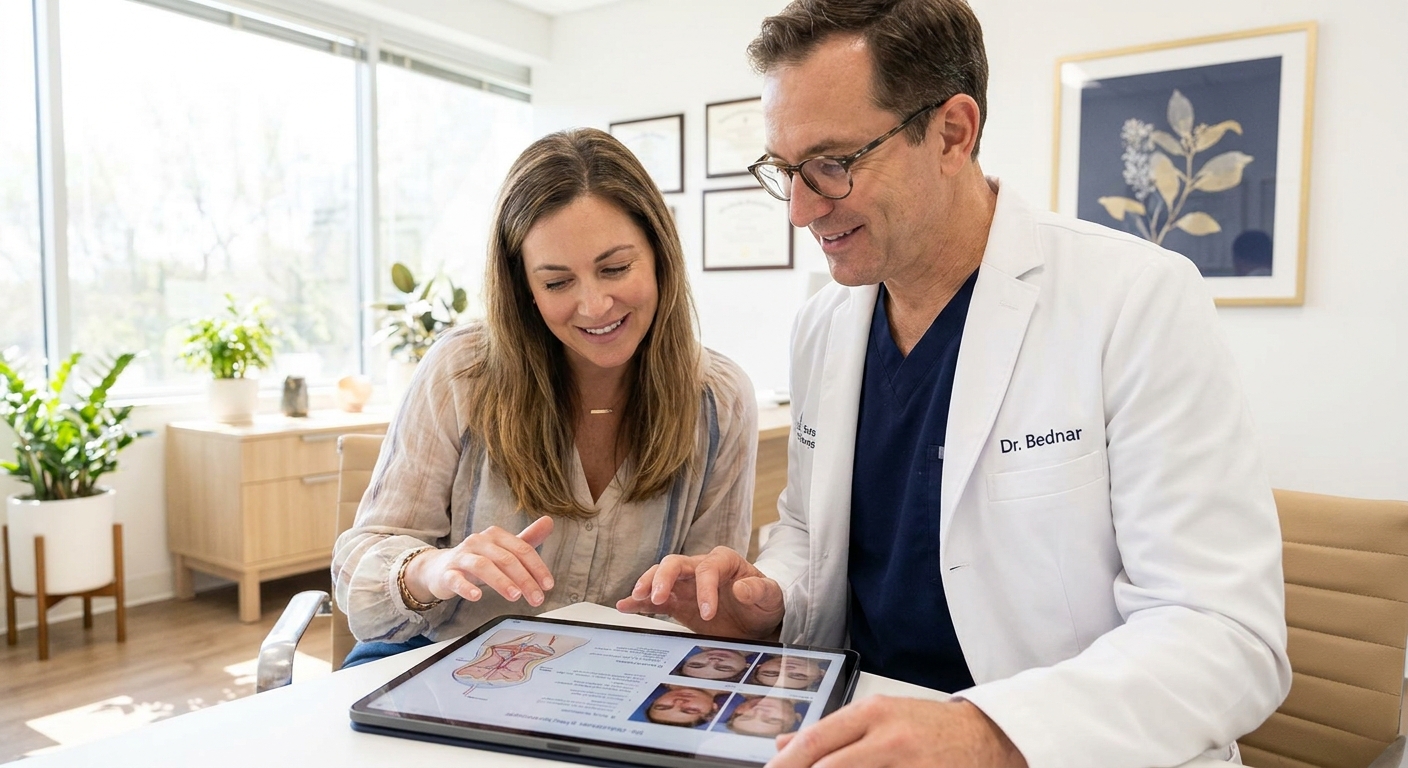
Consultation and planning
- Discuss goals and review photos
- Digital imaging may simulate post-treatment contours
- Customized liposuction treatment plan is drafted
- Dr. Bednar’s expertise in high definition body contouring ensures artistry in design
Harvesting and processing fat
- Donor sites often include the abdomen, flanks, or thighs
- Liposuction fat harvest technique uses gentle aspiration to preserve cell viability
- Fat is centrifuged or filtered to remove oil, blood, and debris
Fat transfer and sculpting
- Purified adipose tissue is injected in small aliquots to maximize survival
- Liposuction with fat transfer combination allows simultaneous contouring and volumizing
- Strategic layering creates smooth transitions and natural proportions
Considering recovery expectations
Recovery varies by individual and treatment extent, but knowing the typical timeline helps you plan downtime.
Immediate postoperative care
- Expect mild discomfort managed with prescribed pain relievers
- Compression garments support contouring and reduce swelling
- Movement is encouraged to prevent blood clots
Timeline for downtime
- Days 1–7: Significant swelling, limited activity
- Weeks 2–4: Swelling subsides, return to light exercise
- Months 1–3: Final contour emerges, most swelling resolved
Managing discomfort and swelling
- Cold compresses and lymphatic massage reduce inflammation
- Follow a balanced diet, limit sodium to minimize fluid retention
- Attend follow-up visits to monitor healing
Reviewing potential risks
All aesthetic procedures carry risks. Being aware and proactive in mitigation enhances safety.
Surgical risks
- Infection, fluid accumulation, hematoma [3]
- Fat necrosis, leading to firm nodules [4]
- Unfavorable scarring or asymmetry (20% in bilateral breast grafting)
Non-surgical risks
- Temporary redness, bruising, or discomfort
- Rare burns from ultrasound or light-based devices [2]
Mitigating complications
- Select a board-certified plastic surgeon with fat grafting expertise
- Adhere strictly to pre- and postoperative instructions
- Maintain open communication about any concerns during recovery
Assessing results and benefits
Evaluating outcomes helps you determine whether regenerative fat sculpting meets your aesthetic goals.
Longevity of outcomes
- Up to 75% of transferred fat may persist long term
- Stable results typically apparent by three to six months
Body proportion balancing
- Customized contouring achieves harmonious lines
- Body sculpting for natural proportions focuses on symmetry and balance
High-definition sculpting
- Dr. Bednar’s precision liposuction artistry sculpts muscular definition
- Highlights natural anatomy for an athletic or refined silhouette
Choosing a qualified surgeon
Your surgeon’s skill directly impacts safety and satisfaction. Here’s how to make an informed selection.
Look for expertise
- Board certification in plastic surgery
- Extensive experience with liposuction for men’s body sculpting or women’s contouring
- Portfolio of before-and-after photos
Dr. Bednar’s artistry
Dr. Bednar integrates advanced microcannula techniques with regenerative fat grafting to deliver minimal downtime and refined results. His meticulous approach to harvest, processing, and injection ensures high fat survival and smooth transitions, creating a sculpted yet natural appearance.
Questions to ask
- What is your complication rate for fat grafting?
- How many regenerative fat procedures have you performed?
- Can you share patient testimonials or outcomes?
- What postoperative care protocols do you follow?
Conclusion
Body sculpting with regenerative fat offers you a dual advantage: precise contouring and rejuvenated skin quality using your own tissue. By comparing options, assessing candidacy, and selecting an experienced surgeon like Dr. Bednar, you position yourself for a safe procedure and satisfying outcome. If you’re ready to explore how regenerative fat transfer can refine your shape and balance your proportions, schedule a consultation to discuss a personalized plan.