Understanding fat harvest technique
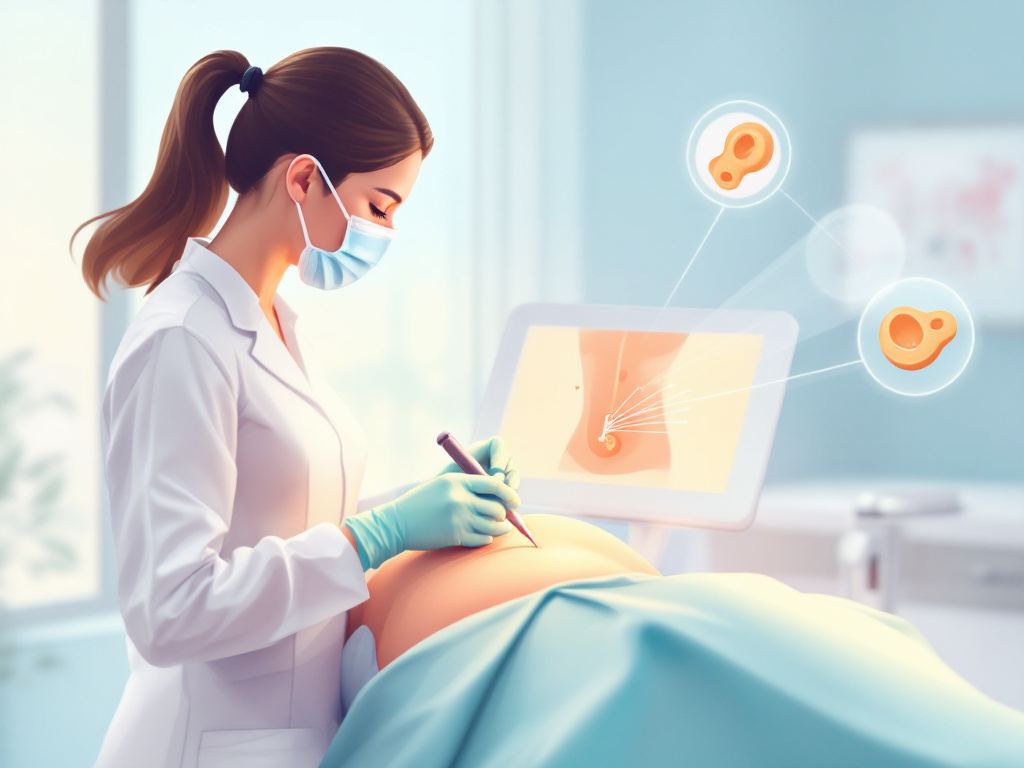
When you explore advanced body contouring options, you may encounter the liposuction fat harvest technique. This approach involves extracting adipose tissue from areas with excess fat and redepositing it where more volume or contour is desired. By combining fat removal and shaping procedure with regenerative fat transfer, you achieve a natural look and feel that supplements traditional sculpting methods. In addition, using your own tissue minimizes the risk of allergic reactions or rejection.
Defining fat transfer
Fat transfer, also known as autologous fat grafting, uses liposuction to collect fat cells from donor sites such as the abdomen, flanks, or thighs. After careful processing to remove impurities and preserve stem cells, the purified fat is injected in small droplets into target areas like the buttocks, breasts, or face [1]. Once transferred fat establishes a new blood supply—typically within six months—you enjoy long-lasting enhancements.
Differentiating from standard liposuction
While standard liposuction focuses solely on removing unwanted fat, the fat harvest strategy adds a second phase: reinjection. Rather than discarding harvested tissue, you repurpose it to augment other body zones. This dual-purpose procedure shifts liposuction from purely reductive surgery to a sculpting art, blending contour refinement with volume restoration.
Benefits of regenerative fat
Natural results and feel
By using your own fat cells, you avoid synthetic implants or fillers. The grafted tissue integrates seamlessly, offering a softness and movement unmatched by foreign materials. You benefit from:
- Personalized volume matching
- Long-term contour stability
- Minimal risk of implant-related complications
Stem cell advantages
Harvested fat contains adipose-derived stem cells (ADSCs) with high pluripotency, aiding tissue healing and improving graft survival [2]. These cells can enhance skin quality and elasticity, adding regenerative value beyond simple volume enhancement. For a deeper look, see our guide on body sculpting with regenerative fat.
Precision liposuction methods
Tumescent liposuction
Tumescent liposuction involves injecting a saline solution with local anesthetic and epinephrine into the treatment area. This method:
- Reduces blood loss by about 1% of aspirated volume [3]
- Minimizes bruising and swelling
- Eliminates the need for general anesthesia in many cases
Microcannula technique
Microcannulas are ultra-thin tubes that allow for delicate fat removal while preserving adipocyte integrity. Benefits include:
- Smoother contours
- Reduced tissue trauma
- Enhanced fat cell viability
You can learn more about precision harvesting with this approach in our section on microcannula liposuction for precision.
Areas suitable for fat harvest
Common donor sites
Surgeons often select areas with excess adipose tissue that respond poorly to diet and exercise. These include:
- Abdomen
- Flanks
- Inner thighs
- Hips
Target recipient areas
Fat grafting can address volume loss or contour deficiencies in locations such as:
- Buttocks (Brazilian butt lift)
- Breasts for natural augmentation
- Hands and face for rejuvenation
- Depressed scars or congenital defects
For sculpting balanced proportions, consider our body sculpting for natural proportions services.
Procedure overview
Preoperative planning
Your surgeon evaluates health history, skin quality, and aesthetic goals. Imaging and physical examination help map donor and recipient zones. You’ll receive guidance on:
- Preparing your skin
- Optimizing hydration and nutrition
- Adjusting medications (for example, stopping blood thinners)
Fat harvesting steps
Harvesting technique
- A tumescent solution is infused for anesthesia and vasoconstriction
- Cannula diameter and suction pressure are optimized to preserve cell structure [3]
- Collected fat is stored sterilely to prevent contamination
Processing and purification
Fat is washed or spun gently to separate living cells from blood, oil, and debris. Studies show that washing preserves more stem cells, enhancing graft take [4].
Reinjecting fat
Using small syringes, your surgeon places fat in microdroplets through multiple tissue planes. This technique:
- Improves fat survival
- Promotes even distribution
- Reduces clumping and necrosis
Postoperative care
After surgery, you can expect light compression, short-term swelling, and bruising. Your provider will recommend:
- Ice application to reduce inflammation
- Avoiding strenuous activity for 1–2 weeks
- Gradual return to exercise after 4–6 weeks
Suitability and candidacy
Who is an ideal candidate?
You may be suited to this technique if:
- You are near your goal weight
- You have good skin elasticity
- You seek both fat removal and augmentation
People with unstable weight or certain medical conditions may require alternative approaches, such as a tummy tuck with liposuction contouring or body contouring after weight loss.
Customizing your plan
Your surgeon crafts a customized liposuction treatment plan based on:
- Body mass index (BMI)
- Desired fat volume transfer
- Tissue quality
- Overall health status
Risks and safety measures
Potential complications
No procedure is risk-free. A study from the University of Alabama at Birmingham found that 27.8% of patients experienced issues such as hematoma, fat necrosis, or infection, with about half of those resolving over time [4]. You should be aware of:
- Prolonged swelling or bruising
- Uneven contour or asymmetry
- Sensation changes or numbness
Minimizing risks
To reduce complications, choose a board-certified surgeon who:
- Follows sterile protocols
- Uses advanced tumescent techniques
- Adjusts cannula size and pressure for minimal trauma
- Provides detailed aftercare instructions
Expected outcomes and maintenance
Graft survival rates
Typically, 50–80% of transferred fat survives long term. Factors influencing retention include:
- Harvesting method
- Purification quality
- Patient’s postoperative care
Long-term contour stability
Once fat establishes circulation, results can be permanent. To maintain your new shape:
- Keep a stable weight
- Follow a balanced diet and exercise routine
- Attend follow-up visits for assessments
Choosing your surgeon
Credentials and training
Your safety and results depend on your surgeon’s expertise. Look for:
- Board certification in plastic surgery
- Extensive experience with fat harvest procedures
- Positive patient testimonials and before-after galleries
Dr. Bednar’s expertise
Dr. Bednar is renowned for combining precision liposuction, fat harvest expertise, and artistic body sculpting. His approach blends surgical body contouring artistry with evidence-based protocols to deliver high-definition results and minimal downtime. Learn more about his techniques in our surgical body contouring artistry overview.
Next steps in body contouring journey
Consultation and planning
Begin with a one-on-one consultation to discuss your goals, review health history, and perform a physical exam. You’ll receive a tailored estimate and roadmap for your transformation.
Related treatments
Depending on your needs, you may explore:
- Minimally invasive liposuction treatment for subtle contouring
- High definition body contouring for athletic definition
- Liposuction with fat transfer combination for comprehensive reshaping
- Thigh and arm contouring surgery to refine multiple areas
Overall, the liposuction fat harvest technique can be a versatile solution for removing stubborn fat and enhancing volume where you need it most. By choosing a qualified specialist and following a customized plan, you can achieve balanced proportions and long-lasting results that look and feel natural. If you’re ready to explore your options, schedule a consultation today.