
Understanding massage therapy post fat grafting
Massage therapy post fat grafting can be both helpful and risky, depending on when it starts, how it is performed, and where it is applied. Your new fat grafts are living tissue that need stable conditions to establish a blood supply and survive long term. At the same time, your lymphatic system needs support to move excess fluid, reduce swelling, and keep your recovery on track.
The goal is not to avoid all touch, but to use the right techniques at the right time. Gentle, medically guided lymphatic work can support healing, while direct pressure over fresh grafted areas can disrupt results or create serious complications. Understanding that difference is essential as you plan your post operative care.
At Bednar Cosmetic Surgery, your recovery protocol is designed to protect fat graft survival while improving comfort, smoothing contours, and supporting long term rejuvenation with complementary therapies like autologous recovery cell therapy and structured scar management.
How fat grafting heals in your body
To use massage therapy safely after fat grafting, you first need a clear picture of what is happening under the skin during recovery.
What happens to transferred fat
Fat grafting, or fat transfer, involves collecting fat from one area of your body and implanting it in another. Once your surgeon places the fat, each cluster of fat cells must:
- Receive enough oxygen and nutrients from nearby tissues in the early days.
- Establish a new blood supply in the weeks that follow.
- Integrate with surrounding tissue to create smooth, stable volume.
During this period, too much motion or pressure on the graft can:
- Shift the fat out of position.
- Reduce blood flow to the area.
- Create uneven contours or hard, irregular areas.
Massage directly on fat implantation sites is specifically identified as a contraindication because it can cause fat to migrate or shift. This is associated with complications such as disfigurement, pain, swelling, circulation obstruction, and, in rare severe cases, life threatening events such as fat embolism, particularly in procedures like the Brazilian Butt Lift [1].
Why swelling and stiffness occur
After surgery, your lymphatic vessels and small blood vessels respond to trauma by leaking fluid into the tissues. This creates:
- Swelling and puffiness.
- Tightness, stiffness, or a “full” sensation.
- Bruising and heaviness around treated areas.
If this fluid and cellular waste are not cleared efficiently, you can experience prolonged swelling, discomfort, and areas of hardness or fibrosis. This is where carefully timed lymphatic focused therapy can play an important role, especially alongside structured post operative swelling management.
When massage is helpful vs harmful
Not all massage techniques are equal after fat grafting. You need to distinguish between gentle lymphatic drainage and traditional pressure based massage that works deep into muscles or tissues.
Safe: Lymphatic drainage massage in approved areas
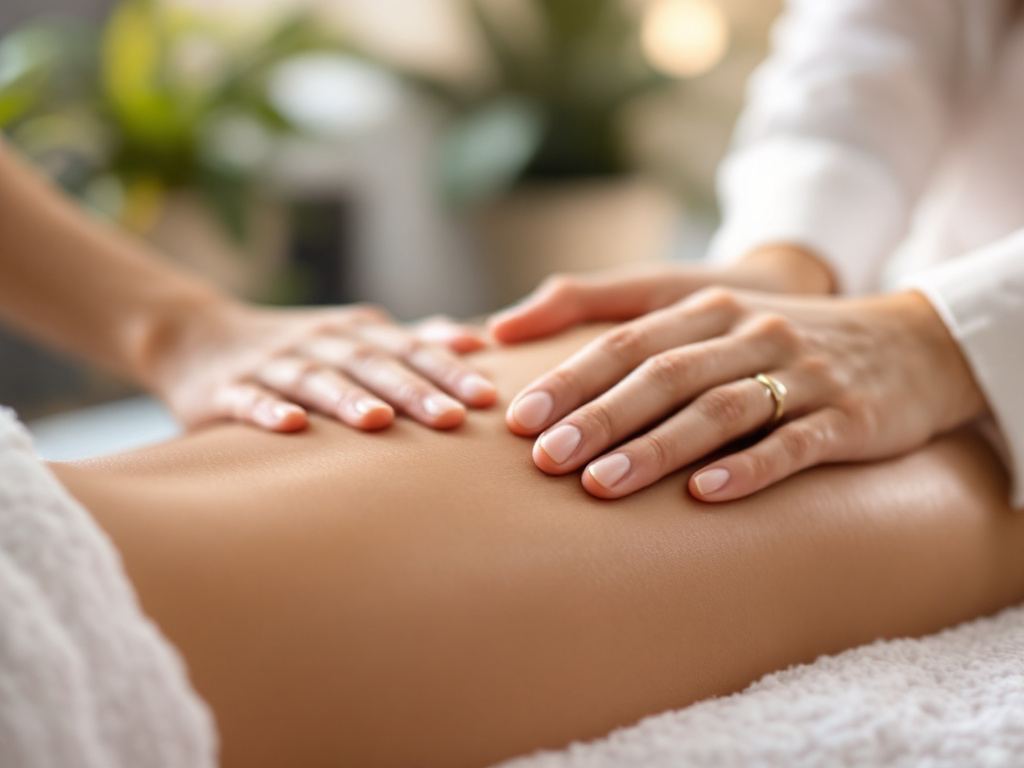
Lymphatic drainage massage is a gentle, rhythmic technique that stimulates lymph flow to move excess fluid, waste, and toxins out of tissues. It uses light, skin stretching movements and follows lymphatic pathways rather than kneading or compressing deeper structures.
After facial fat grafting, lymphatic massage post operative therapy is considered crucial for helping to drain excess fluid, reduce swelling, and accelerate healing by stimulating the lymphatic system. This leads to a smoother and more comfortable recovery [2].
Consistent manual lymphatic drainage:
- Minimizes swelling and bruising.
- Prevents tissues from becoming overly tense and tight.
- Preserves nutrient delivery through the bloodstream, which supports fat cell survival and the final aesthetic result of your rejuvenation [2].
For body contouring procedures such as liposuction or tummy tucks, lymphatic drainage massage helps remove excess fluid and waste, reduces swelling, and promotes faster healing by improving circulation and decreasing inflammation [3]. Similar benefits apply when it is used strategically within a broader recovery optimization for body contouring plan.
Unsafe: Direct pressure over fat grafts
In contrast, traditional deep tissue, sports, or strong Swedish massage is not appropriate over fat graft implantation sites early in recovery. As reported in June 2024, massage directly over fat grafted areas is contraindicated because manual force can unpredictably influence fat movement or foreign material migration, especially in high risk procedures like Brazilian Butt Lift. This raises the risk of:
- Uneven or distorted contours.
- Pain and tissue damage.
- Obstruction of circulation that may compromise safety and cosmetic outcomes [1].
Even with a physician referral, therapists are advised to exercise extreme caution and seek direct guidance from your surgeon before working near grafted regions. Positioning matters as well. For example, lying flat on a freshly grafted buttock can create pressure that affects graft stability, which is why specialized post op positioning is part of many post operative care for natural procedures.
Timing massage therapy after your fat grafting
The right timing of any massage therapy post fat grafting depends on the specific procedure, areas treated, and your healing response. Always follow your surgeon’s personal recommendations first, but you can use these general time frames as context.
Early phase: First week after surgery
In the first few days after surgery, your priority is protection, rest, and controlled movement. During this period:
- Avoid any massage directly over fat grafted areas.
- Protect the graft by following your surgeon’s positioning and compression instructions.
- You may be allowed gentle lymphatic work in non grafted areas, such as upper chest, neck, or extremities, if your surgeon approves and it does not create pull on the grafted zones.
This is also when your wider recovery plan begins, which may include recovery supplements for healing and early measures to support cellular rejuvenation for healing.
Early to mid phase: Around 1 to 2 weeks
For facial fat grafting, post operative lymphatic massage is often introduced within one to two weeks after surgery. Treatments typically occur 2 to 3 times per week for 3 to 4 weeks, using gentle, rhythmic strokes along lymph pathways to decongest swelling and promote faster recovery after injections [2].
By this point, you may notice:
- Reduced bruising and softer swelling with consistent manual drainage.
- Improved comfort and less tightness in the treated region.
- More natural contour definition as excess fluid dissipates.
The key is that the technique remains superficial and does not compress the fat graft itself. Your therapist should be trained in post surgical lymphatic drainage and should receive clear instructions from your surgeon.
Body contouring procedures and liposuction
If your fat grafting included liposuction, lymphatic drainage is often recommended within 3 to 7 days following liposuction, depending on your surgeon’s protocol. Many surgeons advise 2 to 3 sessions per week during the first month, and then possibly tapering frequency while maintaining periodic treatments.
Lymphatic drainage after liposuction:
- Helps prevent prolonged edema and hard lumps or fibrosis.
- Reduces discomfort and supports smoother, more even healing.
- Protects the long term results of body contouring by limiting scar tissue buildup [4].
Some practices also use technology such as the Ballancer Pro, an FDA cleared compression therapy device that enhances lymphatic drainage. It can accelerate fluid movement, reduce swelling, and improve circulation to support a faster recovery [4]. Carefully integrating these tools with a recovery plan for liposuction patients can strengthen your results.
Lymphatic massage vs traditional massage: Key differences
You may hear many terms used during recovery. Understanding what each technique actually does will help you make safe choices.
| Technique type | Pressure level | Primary goal | Suitable over graft early on? |
|---|---|---|---|
| Manual lymphatic drainage | Very light, superficial | Move lymph fluid, reduce swelling | Yes, only when and where surgeon approves, and not directly compressing grafts |
| Compression assisted lymphatic therapy | External pneumatic compression, graded | Support lymphatic and venous return | Only if cleared by your surgeon and applied away from graft stress points |
| Swedish or relaxation massage | Light to moderate | Relax muscles, improve circulation | Possibly in distant areas, but avoid graft region until cleared |
| Deep tissue or sports massage | Firm, deep | Release muscle tension, break adhesions | No, contraindicated over and near fat graft sites early on |
If you are unsure which techniques are planned, ask your therapist to explain them in plain terms and confirm everything with your surgical team.
How lymphatic massage supports fat graft survival
Thoughtfully applied lymphatic therapy does more than make you feel less puffy. It actively supports the environment your new fat cells need to survive.
After facial fat transfer, lymphatic drainage:
- Reduces swelling so tight tissues do not compress small vessels.
- Improves the balance of fluid and nutrients around the graft.
- Encourages better integration of the transplanted fat into surrounding tissues [2].
Consistent sessions minimize bruising and excessive congestion, which can otherwise restrict nutrient infiltration through the bloodstream and affect your final aesthetic outcome [2].
When combined with a broader fat graft survival optimization strategy, lymphatic massage becomes one part of a coordinated approach that also includes:
- Meticulous surgical technique during graft placement.
- Protective positioning and compression.
- Nutrition, hydration, and potentially autologous recovery cell therapy to enhance the regenerative environment.
Integrating massage into a comprehensive recovery protocol
You will get the best results when massage therapy is planned as one element of a full, structured post operative system rather than a stand alone add on.
Regenerative and supportive therapies
A regenerative focused recovery plan can include:
- Lymphatic drainage at carefully timed intervals to manage swelling and comfort.
- Autologous based therapies that aim to improve tissue healing, which can be part of regenerative recovery after liposuction or other fat transfer procedures.
- Targeted cellular support through cellular rejuvenation for healing and selected supplements.
- Progressive stretching or movement guidance to limit stiffness without stressing grafts.
This integrated structure is especially important after procedures that combine fat grafting with lifts, body contouring, or facial rejuvenation, where multiple healing zones must be coordinated within a single comprehensive post op recovery system.
Scar and contour refinement
Although you should not massage early graft sites, you may later benefit from focused therapy in surrounding areas to address scars and residual irregularities.
This might include:
- Advanced post surgical scar refinement therapy and, when appropriate, laser scar reduction after surgery.
- Non graft directed soft tissue techniques to ease tightness bordering incision lines.
- Refinement strategies for shape and surface smoothness as part of post surgery contour refinement.
Even here, pressure levels, timing, and technique remain critical. Your surgeon should determine when grafted regions are sufficiently stable for any direct soft tissue work.
Practical tips for choosing safe post fat grafting massage
Your safety depends not only on the type of massage but also on who provides it and how closely they follow your surgical plan.
Select the right therapist
When looking for a therapist:
- Choose someone with specific experience in post operative lymphatic work.
- Confirm they understand current contraindications for massage after fat grafting, including the need to avoid direct pressure on graft sites [1].
- Ensure they are willing to coordinate directly with your surgeon and follow written parameters.
At every stage of your recovery, your surgical team should remain the central coordinator of any massage therapy post fat grafting.
Communicate clearly about your surgery
Before any session:
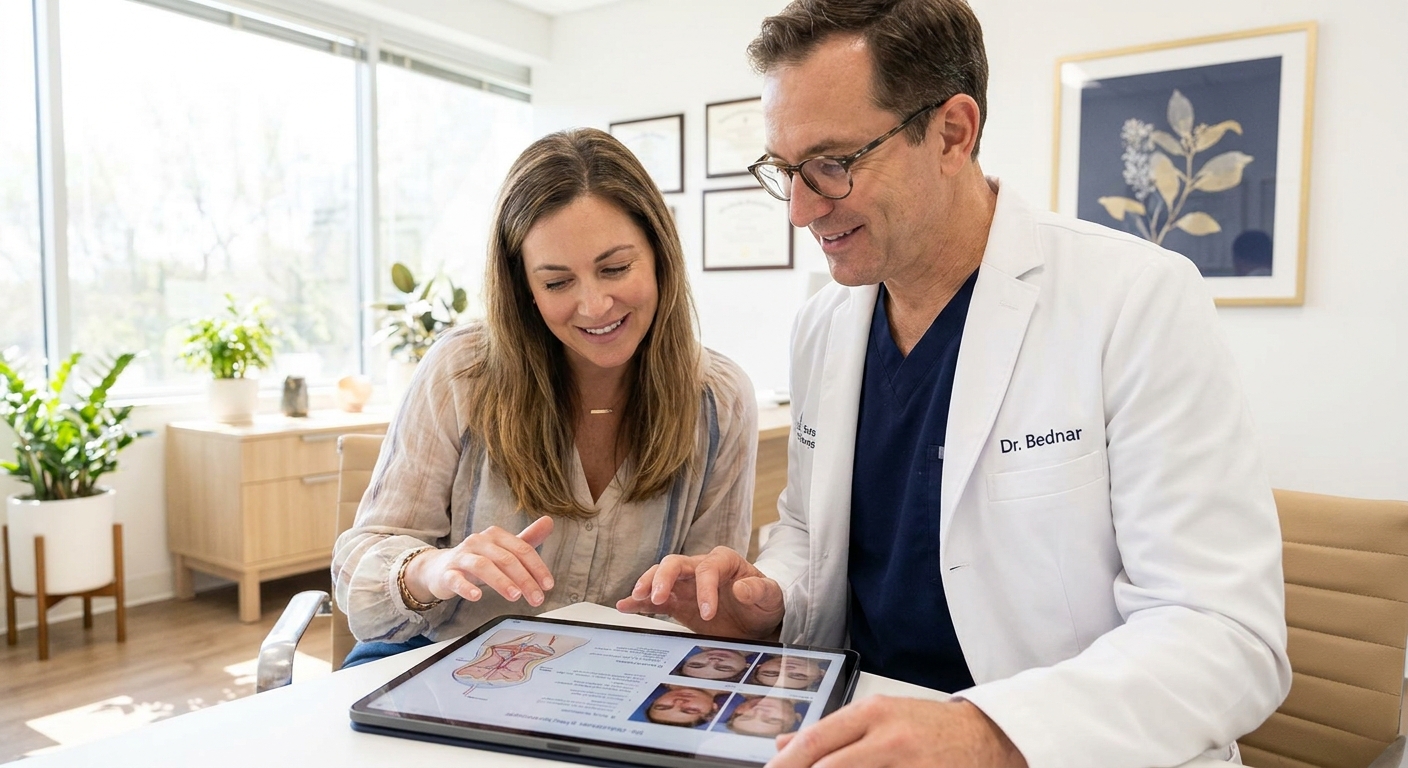
- Show your therapist your surgical diagrams or photos identifying graft and liposuction areas.
- Explain any special positioning instructions you were given after surgery.
- Speak up immediately if you feel pulling, pressure, or discomfort in grafted regions.
You can also refer your therapist to your surgeon’s guidelines or to any educational materials you received as part of your post op care cosmetic surgery package.
Know the signs to stop immediately
During or after massage, contact your surgeon if you notice:
- New or increasing asymmetry in a grafted area.
- Sudden sharp pain, warmth, or significant redness.
- Unusual hard lumps that develop or worsen quickly.
- Shortness of breath or chest pain, which are urgent signs that require immediate emergency care.
Although serious complications are rare with properly supervised lymphatic techniques, early recognition and response are essential.
Any massage, even gentle, should be considered part of your medical recovery plan, not a separate spa service. Your surgeon’s instructions always override general timelines or generic advice.
Tailoring your plan to your specific procedure
Fat grafting is not a single uniform surgery. Your plan should reflect the areas treated and the goals of your procedure.
Facial fat grafting
With facial fat transfer, lymphatic massage is often focused on:
- Periorbital, cheek, and jawline regions.
- Neck and upper chest drainage pathways to help move fluid from the face.
Sessions typically start within 1 to 2 weeks and occur 2 to 3 times per week for 3 to 4 weeks, with gentle, rhythmic techniques that follow lymph channels rather than compress grafts [2]. This approach helps support the delicate balance of fluid and nutrients around transplanted fat cells, which improves their survival and integration [2].
Body and breast fat grafting
For body and breast procedures, massage planning must be even more individualized. Lymphatic drainage can:
- Support recovery after liposuction harvest sites as part of healing enhancement after fat transfer.
- Help decrease swelling and minimize fluid pockets such as seromas, which can occur when lymph flow is impaired [3].
However, direct pressure over breast or body grafted regions remains contraindicated until your surgeon confirms stability, particularly in complex procedures or those with known higher risk profiles.
When fat grafting is combined with chest or breast surgery, a tailored regenerative healing after breast surgery protocol can coordinate lymphatic therapy with implant care, skin quality support, and scar management.
Building your individualized recovery roadmap
Your best outcomes come from a recovery plan that is as thoughtfully designed as your surgery. This often includes:
- A staged schedule for lymphatic massage after surgery that matches the specific procedures you had.
- Integration of fat graft retention improvement protocol measures, including protective positioning, nutritional support, and cellular therapies.
- A structured wellness recovery program after surgery that addresses sleep, stress, gentle movement, and emotional well being.
- Long term maintenance options to preserve your results as part of a comprehensive post op recovery system.
Within this framework, massage therapy post fat grafting becomes a targeted tool to support drainage, comfort, and tissue quality, not a generalized treatment applied the same way to every patient.
By partnering closely with a practice that prioritizes regenerative healing and meticulous post operative care, you give your transferred fat cells, your skin, and your overall contour the best opportunity to heal smoothly and look their best over time.