

Introduce lymphatic drainage massage into your cosmetic care routine, and you can experience a renewed sense of well-being while enhancing your surgical or non-surgical results at Bednar Cosmetic Surgery. Whether you are exploring fat-transfer breast augmentation, facial contouring, or a range of non-surgical facial rejuvenation services, understanding how this gentle therapy supports your recovery and long-term wellness can make all the difference. In the following sections, you will discover how the lymphatic system works, why lymphatic drainage is so beneficial, and how Bednar Cosmetic Surgery integrates these essential practices to help you feel your best. You will also find practical insights on selecting qualified providers, learn about contraindications to keep in mind, and explore how to maximize your overall experience.
Understand the lymphatic system
The lymphatic system plays a critical role in maintaining your health. It is often compared to a cleanup crew, filtering impurities and excess fluid from tissues through a vast network of vessels and nodes. By continuously removing waste elements from your body, the lymphatic system supports your immunity and helps preserve stable fluid levels. When this unique system operates properly, you tend to feel energized and healthy because toxins, cellular debris, and other unwanted materials are being eliminated efficiently.
Why your lymphatic system matters
Your lymphatic system does more than just remove toxins. It also:
- Helps regulate fluid balance in tissues
- Transports infection-fighting cells (lymphocytes)
- Supports healing processes following surgery or injury
- Contributes to overall immune function
These tasks are essential to feeling balanced and rejuvenated, especially after cosmetic procedures. For example, if you undertake body-contouring without surgery or opt for specialized fillers, your lymphatic system works hard to clear away inflammation and promote healthy tissue recovery.
Common disruptions to lymph flow
While your body is resilient, various factors can disrupt the flow of lymph in your system:
- Surgery or injury, which may damage lymph vessels or nodes
- Sedentary lifestyles, potentially slowing circulatory function
- Certain health conditions, such as chronic venous insufficiency or rheumatoid arthritis
- Removal of lymph nodes, frequently seen in procedures like breast cancer surgery
Disruptions in lymph flow often produce swelling or puffiness in specific areas. These concerns can be especially prominent after cosmetic surgery, when your body needs immediate help removing excess fluid. In these cases, professional drainage techniques can make a noticeable difference in how quickly you recover and how refreshed you feel each day.
Discover key benefits
Because it helps move fluid away from swollen tissues toward lymph nodes, lymphatic drainage massage can be an incredibly supportive therapy before or after aesthetic services. It stimulates the flow of lymph so your system can flush out fluid and metabolic waste more efficiently. Research from sources like WebMD (WebMD) confirms that this specialized massage can also benefit those experiencing chronic venous insufficiency (CVI), fibromyalgia, and conditions like lymphedema.
Reduce post-procedure swelling
Swelling is your body’s natural response to surgical intervention, injury, and even certain non-surgical cosmetic services. For instance, if you choose a technique like lip filler augmentation or cheek filler enhancement, you might experience mild puffiness in the days immediately following treatment. Although this inflammation usually subsides on its own, you can help your system by giving it a gentle push.
- Assists fluid movement: Lymphatic drainage helps redirect fluids toward functioning lymph vessels and nodes, preventing them from accumulating in one area.
- Encourages detoxification: By guiding excess fluid out, you help your body rid itself of cellular debris, toxins, and waste products that might cause irritation.
- Improves comfort: Less swelling often correlates with reduced discomfort, allowing you to recover more quickly from your chosen aesthetic procedure.
This benefit is particularly useful if you have undergone more extensive procedures, such as body-contouring or fat-transfer breast augmentation. In these cases, the inflammatory response may be stronger, and swelling could persist longer without added support.
Promote healthy tissue repair
When your tissues are inflamed or irritated after a cosmetic procedure, proper lymph circulation ensures that nutrients and oxygen can reach healing areas more effectively. According to the Cleveland Clinic (Cleveland Clinic), lymphatic drainage massage supports a reduction in inflammation related to lymphedema, removing excess fluid so damaged tissues can recover in a more stable environment. This can lead to:
- Fewer complications
- Improved skin quality post-recovery
- A smoother, more natural look in areas that have been treated
For example, if you have chosen non surgical facelift enhancements or advanced medical aesthetics options, you want your body’s healing processes to be as efficient as possible. Lymphatic therapy can deliver that extra synergy, making your skin smoother and helping you optimize the final results of your cosmetic treatments.
Relieve heaviness and discomfort
When fluid builds up in your tissues, you might feel discomfort, tightness, or a sense of heaviness around the affected area. These sensations could appear after an in-office procedure, or they could develop if you lead a more sedentary lifestyle. By stimulating lymph movement:
- Pressure is reduced around nerve endings.
- Achiness in muscles and joints can subside.
- You regain the freedom to move comfortably.
As a side benefit, improved circulation also encourages the removal of metabolic byproducts, so you can even experience heightened energy levels and reduced fatigue over time.
Complement cosmetic goals
For many people, the greatest appeal of aesthetic enhancement lies in achieving a refined and vibrant look. Whether you are focusing on facial rejuvenation or body sculpting, you want your results to reflect your natural glow and confidence. Lymphatic drainage therapy can amplify your satisfaction by:
- Streamlining post-treatment inflammation
- Supporting more uniform healing and smoother contours
- Giving you a sense of overall well-being
If you have been curious about treatments like microglo microinjections or any form of non-surgical laser skin rejuvenation treatment, you may find that adding a gentle lymphatic massage encourages a more seamless path from procedure day to full recovery, helping you see the finished results sooner.
Learn how it works
Lymphatic drainage is not a typical deep-tissue or Swedish massage. Skilled professionals use light, precise pressure directed toward specific lymph nodes to encourage the gentle movement of fluid. By softly stretching and releasing the skin, they help guide fluid carefully through lymphatic pathways, minimizing any stress placed on your vessels. Techniques can vary from manual lymph drainage to specialized use of massage tools, but the core principle remains the same: encourage fluid flow while protecting delicate tissues.
Manual lymph drainage basics
In manual lymph drainage, therapists typically:
- Use wave-like strokes that move fluid from affected areas to nearby lymph nodes
- Apply minimal pressure, so your circulation is not restricted
- Avoid abrupt or harsh motions, ensuring a calm, soothing experience
Sessions may last anywhere from 15 to 60 minutes, depending on how extensive your procedure site is or how involved your lymphedema or fluid retention concerns are. Many individuals find the experience relaxing enough to incorporate occasional sessions into routine self-care.
Balancing caution and eligibility
Though generally considered safe, lymphatic drainage may not be appropriate for everyone. According to Lone Star Lymphatic (Lone Star Lymphatic) and the Cleveland Clinic, individuals with active malignant disease, severe kidney dysfunction, or active infections should discuss possible contraindications with their healthcare provider. Additionally, if you have hypothyroidism, you may want to consult a Certified Manual Lymphatic Drainage Therapist (CMLDT) to ensure your experience is carefully managed.
Post-treatment guidelines
After your massage, you might notice heightened thirst, slight fatigue, or even mild headaches. These effects typically indicate that your lymphatic system is working intensively to process and remove waste. You can support your body post-session by:
- Staying hydrated with water or nutrient-rich beverages
- Avoiding alcohol or sugary drinks that could hamper detoxification
- Engaging in light activity, such as gentle walking, to keep lymph flow steady
Your healthcare provider or massage therapist can offer specific guidance about combining lymphatic drainage with other services, including body sculpting or filler treatments. By making sure you select the right timing and frequency, you can significantly enhance your recovery process.
Enhance your cosmetic journey
At Bednar Cosmetic Surgery, we place an emphasis on comprehensive care. From the moment you begin your consultation to the weeks following your treatment, we believe in providing resources that nurture your health, comfort, and satisfaction. By integrating lymphatic drainage massage into your plan, you:
- Embrace an approach that streamlines post-surgical healing
- Invest in your long-term wellness
- Potentially reduce reliance on pain medications or extended downtime
Support natural fat-transfer outcomes
When you pursue a fat-transfer breast or facial augmentation, the goal is often a subtle, natural transformation. Any added swelling can mask the contours you worked so hard to achieve. Encouraging the gentle drainage of excess fluid:
- Keeps your skin and underlying tissues relaxed
- Allows newly transferred fat cells to integrate smoothly
- Helps you see more accurate results in a shorter timeframe
The bedrock of natural-looking enhancements is ensuring your body receives what it needs to heal properly. Techniques such as lymphatic drainage provide that added layer of support, especially when combined with a well-rounded post-procedure plan that involves rest, good nutrition, and suitable physical activity.
Refine body-contouring progress
If you have chosen body-sculpting measures or are even considering coolsculpting body contouring, focusing on fluid management can dramatically impact your overall experience. By assisting your circulation system in efficiently evacuating extra fluid, you help reveal the newly contoured shape sooner. Additionally, minimized swelling can reduce sensitivity and discomfort, letting you go about your daily life more easily.
Complement non-surgical rejuvenation
Bednar Cosmetic Surgery is known for an array of non surgical facial rejuvenation therapies that revitalize and refresh your appearance without the downtime of traditional surgery. Examples of these services include:
- Wrinkle reduction fillers to smooth lines and wrinkles
- Microneedling with prp for skin revitalization
- IPL photofacial treatment to target redness or sun damage
Even these minimally invasive procedures can trigger localized inflammation. Incorporating lymphatic therapy soon after (or sometimes beforehand) can accentuate the results. By improving circulation and reducing swelling, your skin can take on a healthier, more radiant glow, and you may shorten any mild recovery period associated with non-surgical treatments.
Choose Bednar Cosmetic Surgery
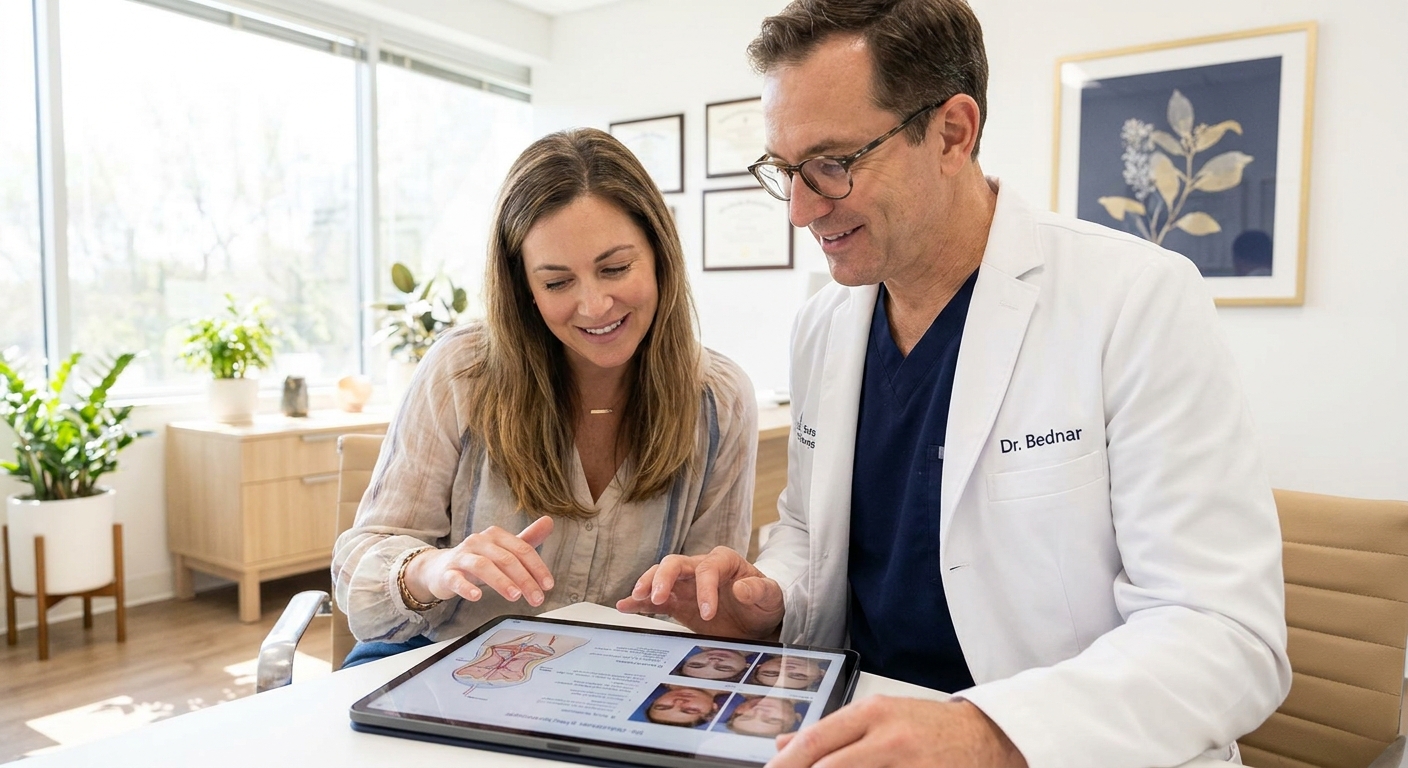
When deciding who will guide you through any cosmetic journey, you want a provider that respects your individual needs. At Bednar Cosmetic Surgery, we combine an art-inspired lens with professional medical expertise, creating a supportive environment that prioritizes your healing and success. Every factor in your treatment plan, from initial consultation to comprehensive aftercare, is handled thoughtfully to ensure your comfort and well-being.
Experience a patient-centric approach
We understand the feelings of excitement, anticipation, and sometimes uncertainty that accompany any cosmetic service. Because of that, we:
- Listen attentively to your personal goals
- Clarify the benefits and any limitations of each procedure
- Provide transparent guidance on potential risks and expected outcomes
- Customize your care plan based on unique characteristics like skin type, lifestyle, and recovery patterns
Respecting each individual’s needs extends to recommending complementary therapies like lymphatic drainage. If you are facing mild to moderate swelling or if you want a more streamlined healing process, our knowledgeable team can help you identify the best timing for these supportive sessions.
Offer advanced techniques
Our commitment to innovation means we stay current on the latest treatment methods, ensuring you can access:
- State-of-the-art equipment for body and facial procedures
- Skilled injectors delivering specialized techniques for fillers and volumizers
- Personalized solutions like professional skincare treatments and dermal filler injections
By pairing these advanced services with a proven therapy like lymphatic drainage, you can help your skin look and feel revitalized. Whether you want a subtle tweak, an entire rejuvenation plan, or a major body-contouring process, we ensure you benefit from evidence-based solutions at every stage.
Collaborate with licensed professionals
Although lymphatic drainage is often highly beneficial, proper training is essential to avoid irritating delicate tissues. We can connect you with vetted, certified massage therapists who specialize in manual lymph drainage or similar modalities. These providers carefully evaluate:
- Your medical history
- The nature of your cosmetic treatments
- Any potential contraindications or sensitivities
When your cosmetic team and your lymphatic therapist work together, you receive seamless support. From surgery preparation to post-op follow-up, everyone is on the same page about your health needs and aesthetic goals.
Follow best practices
As with any specialized therapy, maximizing your results requires some diligence. Be mindful of the following best practices to ensure a comfortable, effective experience.
Consider timing
The ideal timing for lymphatic therapy sessions often depends on the nature of your treatment:
- Pre-operative: Some providers recommend a short series of sessions to help stimulate lymph flow before your procedure. This prepares your body to clear inflammation more quickly once you have undergone surgery or injections.
- Post-operative: Many find the greatest benefit during the first few weeks of post-care, when tissue recovery is at its peak.
- Maintenance: If you experience chronic swelling due to lifestyle or health factors, periodic appointments help you stay balanced and comfortable.
Keep in mind that your clinician or massage therapist will have insights tailored to your unique situation.
Stay consistent with self-care
While a professional session is beneficial, you can also support your lymphatic system at home. Activities like gentle stretching, low-impact exercise (such as walking or yoga), and staying hydrated all encourage healthy fluid flow. Moisturizing your skin with quality products can further nurture tissue elasticity and comfort. Additionally, if you have had a facial rejuvenation procedure, softly massaging your face in upward motions—if your provider approves—can help keep fluid moving in between your professional appointments.
Inform your provider of changes
If you notice any unexpected swelling, tenderness, or skin changes, contact your healthcare provider right away. Even a small shift in your health can influence how your body responds to therapies. By staying proactive, you minimize the risk of complications and ensure you get the right type of primary or supportive care in a timely manner.
Evaluate contraindications carefully
Before scheduling a session, confirm you do not have any conditions that might be incompatible with lymphatic drainage. As noted in the research, certain contraindications, like active cancer or acute infections, require special consideration. In these cases, your healthcare team can point you to safer alternatives or recommend strategies tailored around your medical profile. Doing your due diligence allows you to enjoy the advantages of lymphatic massage without compromising overall well-being.
Explore five frequently asked questions
Below are some of the most commonly searched questions about lymphatic drainage massage and how it can align with your cosmetic goals. Understanding these points can give you peace of mind as you decide whether to incorporate professional drainage techniques into your routine.
-
How soon after cosmetic surgery can I start lymphatic drainage therapy?
You may begin as soon as your surgeon advises, typically once any surgical incisions have stabilized. Many patients start within the first week or two to reduce swelling. However, timing can vary based on whether you have had a minor procedure (like small-area fillers) or more extensive treatments (like a significant body sculpting process). Always follow the guidance from your surgical team and massage therapist. -
Is lymphatic drainage massage painful?
No. Lymphatic drainage massage typically uses extremely light, rhythmic motions instead of deep or aggressive pressure. People often report it as relaxing. If you experience discomfort or pain at any point, make sure to speak up so your provider can adjust the technique, especially if you are still sensitive from a recent procedure. -
Can lymphatic drainage massage replace medical interventions for swelling?
It is best viewed as a complementary approach rather than a replacement. If you have any serious swelling or fluid accumulation, you should consult your doctor or surgeon. Lymphatic drainage therapy can be incredibly helpful for mild to moderate issues, but it should not supplant necessary medical interventions if complications arise. -
Are there any risks or side effects?
For most healthy adults, lymphatic drainage is safe and carries minimal risk. Some individuals might feel slightly tired or experience mild headaches afterward as the body clears out toxins. Always stay hydrated before and after your session. If you have underlying conditions like hypothyroidism or kidney disease, discuss them with both your doctor and your massage therapist to avoid potential complications. -
How do I find a qualified lymphatic drainage massage therapist?
Look for certifications in manual lymph drainage or relevant advanced training. Many therapists list their credentials on their websites. You can also ask for referrals from your surgeon or check with organizations like the Lymphology Association of North America. The most important aspect is a thorough understanding of both lymphatic mechanics and post-cosmetic healing needs.
Conclude your journey to rejuvenation
Choosing Bednar Cosmetic Surgery is about more than just receiving a procedure. It is about committing to a guided process, shaped by industry-leading expertise and a deep care for patient well-being. When you incorporate lymphatic drainage massage into your plan, you create a holistic framework for healing that addresses both aesthetic and comfort needs.
By diligently optimizing your body’s natural processes for waste removal and tissue repair, you ensure that every cosmetic step you take—from subtle filler enhancements to transformative body-contouring—can offer you the most efficient, rewarding results. Our team is here to support you every step of the way, connecting you with top-tier specialists and tools, including lymphatic drainage therapy, to help you look and feel refreshed.
If you are ready to explore your options, simply reach out to Bednar Cosmetic Surgery. Together, we can craft a personalized plan that aligns with your vision and fosters a smooth recovery. You deserve the confidence that comes with feeling and looking your best, and we are dedicated to helping you make that a reality.