
Understand body contouring
If you’re exploring body contouring after weight loss, you’ve likely noticed that surgical or nonsurgical fat reduction often leaves behind surplus skin and stubborn pockets of tissue. Body contouring refers to a range of procedures that improve the tone and shape of underlying tissue by removing excess fat and skin [1]. In addition to refining your silhouette, contouring can address functional issues such as irritation and restricted movement.
Smooth transitions from weight loss to sculpted results require a clear understanding of how these procedures work and what to expect. As you consider your options, you’ll learn about surgical lifts, liposuction techniques, and nonsurgical methods designed to fine-tune your new shape. Whether you aim to remove loose skin or harvest fat for transfers, the goal is to achieve balanced proportions and lasting comfort.
Why consider post-weight loss contouring
Significant weight loss—especially after gastric bypass—almost always leads to excess skin. In fact, 96% of patients who underwent gastric bypass between 2003 and 2009 developed surplus tissue that caused dermatitis, itching, and limitations in physical activity [2]. These issues can undermine your satisfaction with weight loss and affect clothing choices, mobility, and self-confidence.
Post-weight loss contouring helps you:
- Reduce skin folds that trap moisture and lead to rashes
- Restore freedom of movement for exercise and daily activities
- Improve garment fit and allow for a broader wardrobe
- Enhance body proportions to match your weight-loss achievements
How contouring differs from weight loss surgery
Weight loss procedures focus on reducing calories or limiting absorption. Contouring, on the other hand, reshapes the body by:
- Removing redundant skin and fat around the abdomen, arms, thighs, and back
- Tightening underlying muscles when needed
- Harvesting fat for transfer to areas such as the breasts or buttocks
Unlike bariatric surgery, contouring does not impact metabolism or digestive function. Its intent is purely aesthetic and functional, aiming to fine-tune the results you’ve already achieved through diet, exercise, or medical weight-loss interventions [3].
Types of contouring procedures
Body contouring encompasses both surgical and nonsurgical approaches. Your choice will depend on the areas you wish to address, the amount of excess skin and fat, and your recovery goals.
Surgical options
Panniculectomy vs tummy tuck
A panniculectomy removes the apron of excess skin and fat hanging over the groin or thighs. Insurance may cover it when medically necessary. In contrast, a tummy tuck with liposuction contouring (abdominoplasty) not only excises skin and fat but also tightens abdominal muscles and repositions the belly button. This combined approach produces a firmer waistline and smoother midsection.
Body lift variations
Body lifts target multiple areas to eliminate skin redundancy:
- Lower body lift: reshapes abdomen, hips, buttocks, and thighs
- Upper body lift: addresses excess tissue in the back, upper arms, and breasts
These comprehensive procedures restore harmony between your torso and limbs, often in a single surgical session.
Liposuction techniques
Liposuction remains a cornerstone of contouring, especially for targeting isolated fat pockets. Key methods include:
- Microcannula aspiration, known as minimally invasive liposuction treatment, for precise sculpting with smaller incisions
- 360 liposuction and contour refinement, which treats the full circumference of the midsection
- Flank and abdomen liposuction for waistline definition
- Thigh and arm contouring surgery to address sagging or bulky limbs
- Waist contouring liposuction procedure for an hourglass silhouette
Surgeons may combine techniques to achieve seamless transitions between treated and untreated zones.
Nonsurgical treatments
If you prefer minimal downtime, nonsurgical options can help reduce small areas of fat or tighten mildly lax skin. Common modalities include:
- Cryolipolysis (fat freezing)
- Radiofrequency therapy
- Ultrasound-assisted skin tightening
While results are more gradual and less dramatic than surgery, you’ll benefit from shorter recovery periods and fewer risks of scarring [3].
Benefits after weight loss
Once you’ve reached your target weight, fine-tuning your contours can deliver both aesthetic and functional advantages.
Improved functional comfort
Excess skin can lead to dermatitis or chafing in folds, especially around the abdomen and thighs. Post-bariatric patients often report relief from:
- Skin irritation and infections
- Limitations in exercise and mobility
- Discomfort during daily activities such as bending or walking
By eliminating redundant tissue, you regain freedom of movement and reduce the risk of dermatological complications.
Enhanced body proportions
Body contouring balances your silhouette by smoothing transitions between your torso, limbs, and curves. You may notice:
- A more defined waistline
- Toned arms and thighs
- Lifted and firmer buttocks or breasts
Techniques such as body sculpting for natural proportions or body sculpting for athletic definition help tailor your results to match your personal aesthetic goals.
Boosted self-confidence
In a study of post-massive weight-loss patients, 75% of women and 68% of men expressed a strong desire for body contouring to improve appearance and self-esteem [2]. Most ranked enhanced confidence and quality of life among their top expectations. Achieving a smoother, more toned physique can reinforce the positive habits that led to your weight-loss success.
Optimized fat harvest for transfers
If you’re considering fat grafting to augment another area—such as the breasts or buttocks—contouring procedures let you harvest high-quality fat cells. Techniques like the liposuction fat harvest technique ensure viable graft material for:
- Liposuction with fat transfer combination
- Facial rejuvenation
- Gluteal augmentation
This dual-purpose approach refines donor sites while enhancing volume where you desire it.
Choose timing and candidacy
Ideal candidates
Post-weight loss contouring is best suited for individuals who:
- Have reached and maintained a stable weight for 6 to 12 months
- Carry minimal residual fat but significant excess skin
- Are in good overall health with no uncontrolled medical conditions
- Understand the risks and have realistic expectations
People who meet these criteria often enjoy safer procedures and more predictable results [4].
Timing your procedure
Waiting until you plateau before scheduling surgery is crucial. Undergoing contouring while still losing weight may lead to suboptimal outcomes or the need for secondary procedures. Advances in weight-loss medications—such as GLP-1 agonists—can slow weight fluctuations but do not eliminate the need for final contouring once your weight stabilizes [5].
Dr. Bednar’s precision approach
When choosing a specialist, look for an expert who combines technical skill with artistic vision. Dr. Steven Bednar focuses on delivering high-definition results with minimal downtime.
Customized treatment plans
Your anatomy, goals, and lifestyle shape a personalized blueprint. Dr. Bednar’s customized liposuction treatment plan evaluates:
- Skin quality and tissue elasticity
- Patterns of residual fat
- Muscle tone and skeletal structure
This tailored strategy ensures each procedure aligns with your unique needs.
High definition body contouring artistry
By integrating fat transfer and selective liposuction, Dr. Bednar sculpts natural, athletic lines. His expertise in high definition body contouring highlights muscle definition, creating a chiseled yet refined appearance.
Advanced liposuction and fat harvest expertise
Precision instruments and gentle aspiration protect fat cell integrity for successful grafting. With his liposuction fat harvest technique, harvested cells remain viable for:
- Gluteal augmentation
- Natural breast enhancement
- Facial soft-tissue restoration
Dr. Bednar’s artistic eye ensures harmonious proportions.
Recovering from contouring
Typical recovery timeline
| Phase | Key milestones |
|---|---|
| Days 1–7 | Compression garment in place, gentle walking |
| Weeks 2–4 | Gradual return to desk work, light activities |
| Weeks 6–8 | Strenuous exercise resume, garment weaning |
| Months 3+ | Full recovery, final contour assessment |
You may need surgical drains for several days and a compression garment for six to eight weeks [4].
Minimizing downtime and risks
Proper preoperative planning reduces complications:
- Maintain a healthy diet and avoid smoking
- Disclose all medications to your surgeon
- Follow wound-care instructions meticulously
Common risks include infection, fluid accumulation, and scarring. Open communication with your care team ensures timely management of any issues.
Preparing for surgery
Set up your home for comfort:
- Designate a rest area with pillows and essential items within reach
- Stock up on healthy meals that require minimal prep
- Arrange for transportation and help during the first week
Establishing a supportive environment fosters a smoother recovery [6].
Selecting your surgeon
Credentials and experience
Verify that your surgeon is board-certified in plastic surgery and has extensive experience in post-weight loss contouring. Review before-and-after galleries and patient testimonials. Ask about complication rates and how revisions are handled.
Consultation tips
Prepare questions such as:
- Which procedures best match my goals?
- How do you minimize scarring and downtime?
- Can I see detailed recovery protocols?
- What support is available for concerns after surgery?
A thorough consultation builds confidence and ensures alignment on expected outcomes.
Planning your contouring journey
Consultation and planning
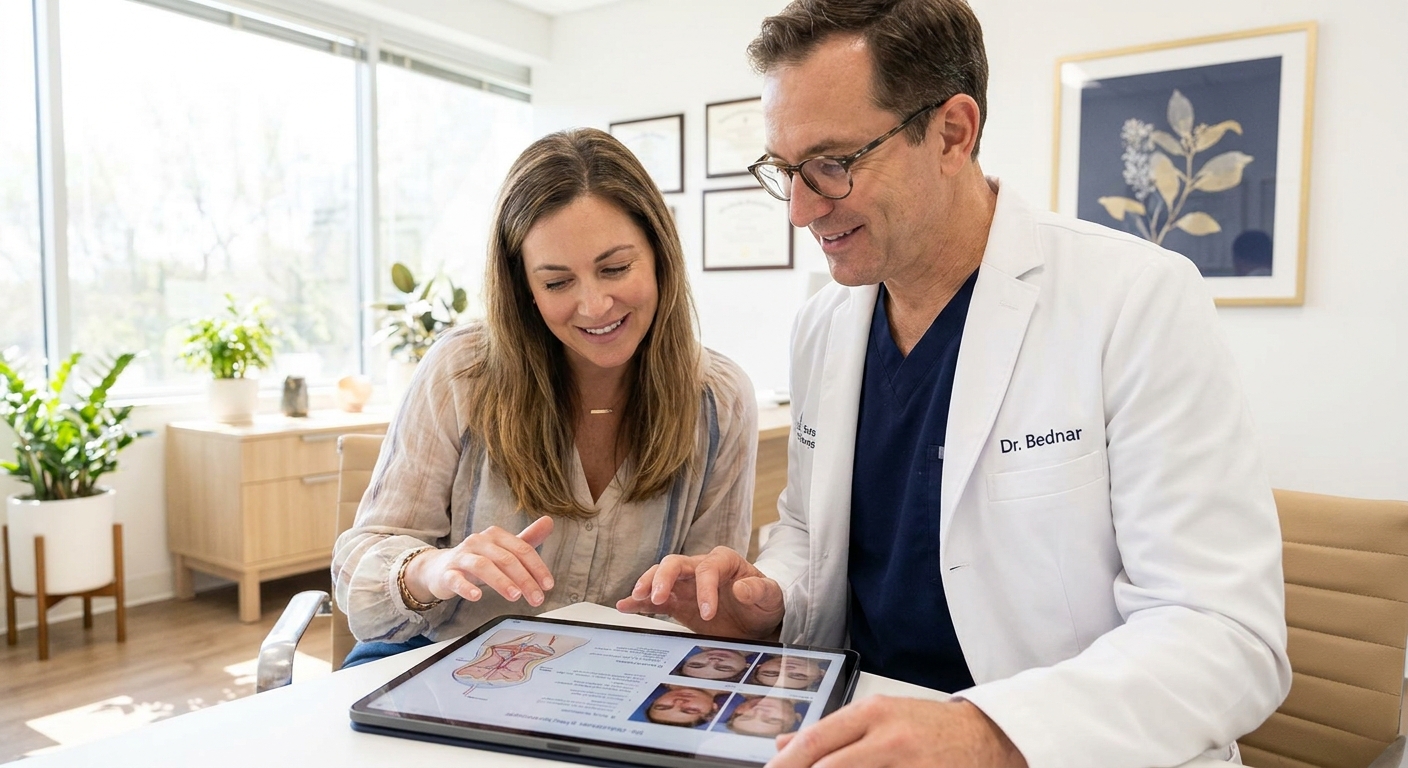
Your first visit should cover medical history, physical exam, and goal-setting. Digital imaging may help visualize potential improvements and set realistic expectations.
Financial and insurance considerations
Panniculectomy can be deemed medically necessary when skin causes functional issues, making insurance coverage possible. Cosmetic components—such as muscle repair in a tummy tuck—are often out-of-pocket. Obtain detailed cost estimates and payment plans before proceeding.
Maintaining your results
Long-term success depends on:
- Consistent exercise to preserve muscle tone
- Balanced nutrition to avoid weight fluctuations
- Skin-care routines that support elasticity
By integrating healthy habits, you protect your investment and enjoy your sculpted silhouette for years to come.