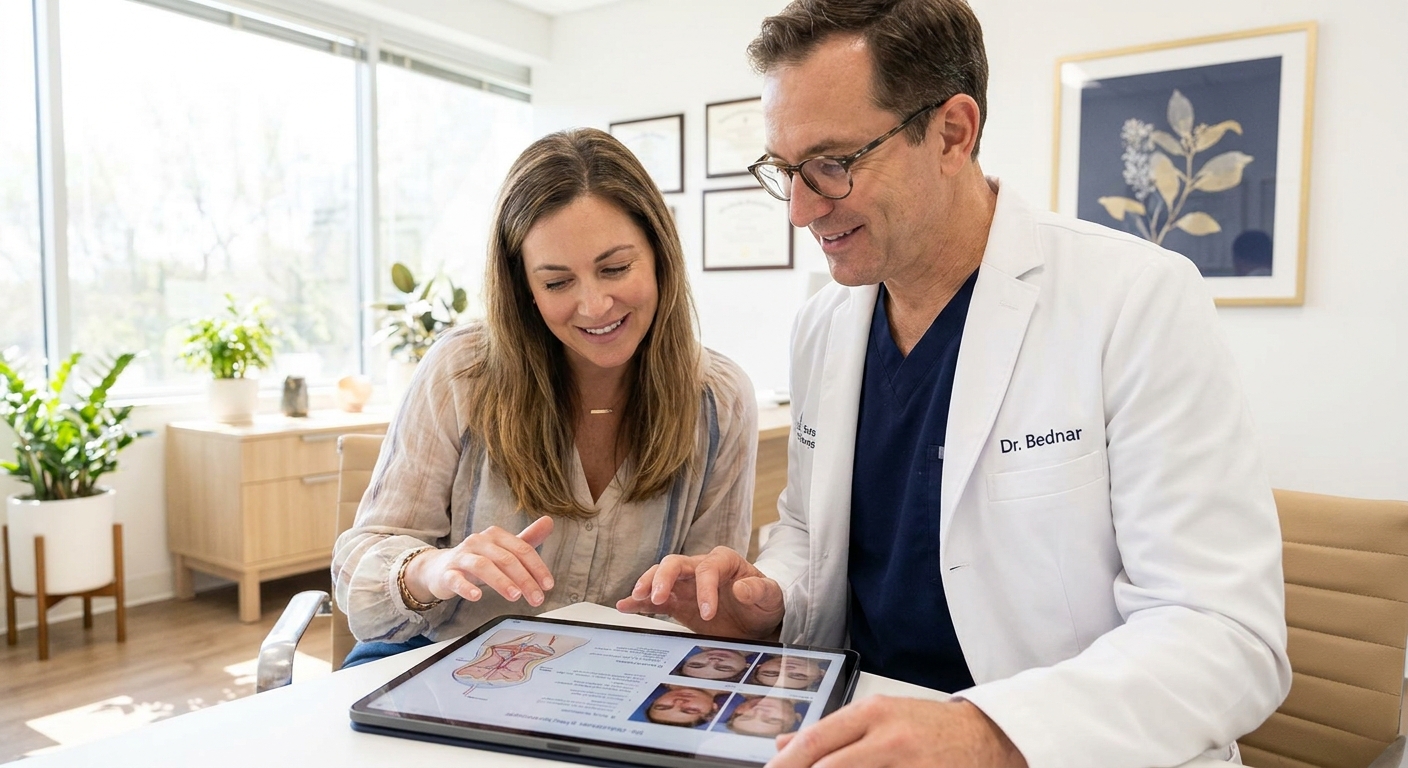

You’ve likely heard about the autologous fat transfer procedure as a natural alternative to implants and synthetic fillers. By using your own fat cells, you can restore volume, refine contours, and rejuvenate your appearance with a lower risk of rejection and long-lasting results. In this article, you’ll learn how this regenerative approach works, who benefits most, and what to expect before, during, and after surgery. You’ll also discover why Dr. Bednar and the AlloClae team are pioneers in providing safe, artistic, and effective fat-based restoration.
Understanding autologous fat transfer
What is autologous fat transfer?
Autologous fat transfer, also called fat grafting or fat injection, involves harvesting excess fat from one area of your body—commonly the abdomen, thighs, or flanks—and reinjecting it into another region where you want added volume or contour. The process relies on your own tissue, so there is no risk of allergic reaction or implant-related complications. Surgeons like Dr. Bednar refine this technique by processing fat gently and placing it in precise microdroplets to maximize cell survival and aesthetic outcome [1].
Who is a good candidate?
You may be an ideal candidate if you:
- Are in overall good health and at or near your ideal weight
- Have sufficient donor fat in targeted areas
- Seek natural enhancement for the face, breasts, buttocks, or hands
- Want to avoid synthetic implants or fillers
- Understand that final results develop over several months
If you’re interested in facial rejuvenation, explore our guide to fat grafting surgery for face. For breast contouring without implants, see breast enhancement without implants.
Benefits of fat transfer
Natural-looking results
Because the transferred tissue is your own, it integrates seamlessly with surrounding structures. You’ll notice softer, more organic contours compared to the sometimes rigid feel of implants. For targeted contouring, consider natural body contouring with fat grafting.
Long-term contour improvement
Most of the grafted cells develop a new blood supply and survive permanently. While up to 30% of cells may resorb, the remainder offers enduring fullness. It often takes about six months for final volume to appear [1].
Reduced rejection risk
Since you’re using autologous tissue, your body cannot reject the graft. This biocompatibility reduces inflammation and complications often seen with foreign materials.
Scar repair and regeneration
Fat transfer isn’t only for volume. It can soften scars, improve skin texture, and promote tissue regeneration thanks to stem cells within your fat. Discover how this approach can address postoperative or traumatic scars in fat transfer for scar repair.
Steps in the procedure
Harvesting and processing
- Marking and anesthesia: Your surgeon outlines donor and recipient sites, then administers local or general anesthesia.
- Gentle liposuction: Small cannulas remove fat with minimal trauma to adipocytes.
- Purification: The aspirated fat is processed—often by centrifugation or filtration—to separate healthy cells from fluids and oils.
Many surgeons employ a multicompartmental “three-dimensional” technique described in the NCBI-indexed literature, which improves graft survival [2].
Injection and sculpting
Processed fat is loaded into syringes and carefully injected in tiny droplets across various tissue planes. This microdroplet approach:
- Increases surface area for rapid revascularization
- Minimizes clumping and necrosis
- Allows precise contouring of delicate areas such as the hands or décolletage [3]
For facial volume loss, see precision fat grafting for volume loss and autologous facial fat restoration.
Recovery timeline
| Timeframe | What to expect |
|---|---|
| First week | Swelling, bruising, mild discomfort |
| Weeks 2–3 | Bruising subsides, swelling decreases |
| 1–2 months | Treated fat begins to settle, early contour |
| 3–6 months | Final results become apparent |
Most patients return to work within 7–10 days, but avoid vigorous exercise for at least three weeks and refrain from massaging treated areas for four weeks [4].
Evaluating risks and safety
Common side effects
- Temporary swelling and bruising at donor and recipient sites
- Mild soreness or tightness lasting several days
- Small puncture scars that fade over time
Complication rates
A study of 396 fat grafting patients reported a 27.8% overall complication rate, with 10.9% considered major (hematoma, seroma, fat necrosis, infection). Most complications were minor and resolved without long-term issues [5].
Minimizing your risks
- Choose a board-certified plastic surgeon with extensive fat grafting experience
- Follow preoperative and postoperative instructions meticulously
- Maintain a stable weight to help your grafted cells thrive
Comparing treatment alternatives
Implants versus fat transfer
| Feature | Implants | Fat transfer |
|---|---|---|
| Material | Silicone or saline | Your own fat cells |
| Feel | Firmer | Softer, more natural |
| Rejection risk | Possible capsular contracture | Virtually none |
| Longevity | 10–15 years before replacement | Permanent grafts (some resorption) |
| Scarring | Larger incisions | Tiny syringe punctures |
For breast-specific approaches, review fat transfer breast augmentation and breast contouring with fat grafting.
Fillers versus fat grafting
Dermal fillers offer quick office-based treatments, but results are temporary and often require repeated injections. Fat grafting requires surgery but provides a more permanent, regenerative outcome enhanced by stem cells. If you’re exploring non-surgical options, learn about alloclae regenerative filler treatment.
Choosing a provider
Surgeon expertise
Your results hinge on technical skill and artistic vision. Seek a surgeon who:
- Is board-certified in plastic surgery
- Has extensive training in fat processing and microdroplet injection
- Demonstrates a portfolio of before-and-after cases
- Prioritizes safety and personalized care
AlloClae proprietary innovation
At AlloClae, Dr. Bednar has refined fat transfer with:
- Advanced cell-preservation techniques that boost viability
- Customized injection patterns for each facial or body contour
- Integration of regenerative principles to enhance skin quality
- Minimal-invasiveness for faster recovery
Explore how these innovations shape outcomes in alloclae facial rejuvenation procedure and alloclae body contouring solution. For volumetric restoration using donor fat, see donor fat filler restoration.
Preparing for your procedure
Preoperative planning
- Schedule a consultation to discuss goals, medical history, and expectations
- Follow instructions on medications, supplements, and smoking cessation
- Prepare for adequate downtime by arranging help for household tasks
Postoperative care
- Wear compression garments as directed to support graft survival
- Keep incisions clean and dry; report any signs of infection promptly
- Attend all follow-up visits so your surgeon can monitor healing
For guidance on refining body shape after liposuction, read fat transfer post liposuction refinement.
Your path to natural enhancement
Autologous fat transfer offers you a regenerative, natural way to refine your features and restore youthful contours—without implants or synthetic fillers. By leveraging your own tissue, you minimize rejection risks and enjoy results that evolve beautifully over time. If you’re ready to explore how this proven procedure can address your aesthetic goals, connect with Dr. Bednar’s team for a personalized evaluation. Take the first step toward lasting enhancement and confidence in your appearance.
References
- (Cleveland Clinic)
- (NCBI)
- (fat grafting for hands and décolletage)
- (Wellesley Cosmetic Surgery)
- (NCBI)