
Understanding autologous fat
Augmentation with autologous fat involves harvesting your own adipose tissue from donor sites such as the abdomen, hips, or thighs and injecting it into target areas like the breasts, buttocks, or face to enhance volume and contour naturally. This technique, also called fat transfer augmentation or autologous fat grafting, is praised for its biocompatibility and soft, natural results. Unlike synthetic fillers or implants, your transferred fat cells develop a new blood supply over about six months, making many results permanent although some cells may not survive the transfer process (Cleveland Clinic).
Autologous fat grafting serves both cosmetic and reconstructive purposes. Women considering natural breast enhancement after pregnancy or reconstruction post-mastectomy often choose this approach for its regenerative benefits and reduced foreign-body risks. Whether you are addressing volume loss, asymmetry, or scars, fat transfer can offer a tailored, implant-free solution that aligns with your body’s biology.
Biological basis
- Adipose tissue contains fat cells plus stem-cell precursors, which may support tissue regeneration and skin quality.
- Processed fat is purified to remove oil, blood, and debris, ensuring only healthy cells are reintroduced.
- Overcorrection by about 20 percent compensates for expected cell resorption, leading to predictable outcomes (NCBI Bookshelf).
Historical context
- First used in the late 19th century, fat grafting gained traction in the 1980s with refined liposuction techniques.
- Modern centrifugation and processing protocols have improved graft survival and minimized complications.
- Today’s regenerative breast contour procedures rely on evidence-based protocols to optimize aesthetic and functional outcomes.
Recognizing key benefits
Natural appearance and feel
Because you’re using your own tissue, the augmented area feels soft and ages naturally alongside your body. Fat transfer breast augmentation offers a lifelike texture and movement unlike implants, and it addresses contour irregularities, resulting in a seamless integration with your native anatomy.
Permanent volume enhancement
Transferred fat cells that establish blood supply typically remain long term. You can expect to see final results up to six months post-procedure as the graft stabilizes [1]. Minor volume loss is normal, but slight overfilling compensates for this, reducing the need for touch-up sessions.
Body contouring duality
Fat harvesting slims donor areas such as the abdomen or thighs, providing a two-in-one benefit: you refine one region while enhancing another. This natural liposuction plus augmentation synergy appeals to many patients seeking comprehensive body sculpting without foreign implants.
Regenerative and scar revision
Fat grafting can improve skin quality and soften scars by delivering stem-cell rich tissue to treated zones. If you’re exploring scar revision using fat grafting, the procedure can reduce scar visibility and restore underlying volume.
Reduced implant-related risks
Unlike traditional implants, fat transfer does not carry risks like capsular contracture or implant rupture. You maintain effective mammogram screenings, although microcalcifications from fat injections may prompt follow-up imaging to rule out malignancy [2].
Evaluating candidate suitability
Ideal candidates
You may be a good fit for augmentation with autologous fat if you:
- Have sufficient donor fat in areas like the abdomen, hips, or thighs.
- Are in stable good health and maintain a consistent weight.
- Do not smoke or are willing to quit, as smoking impairs graft survival.
- Seek a mild to moderate volume increase without implants [3].
Contraindications and considerations
- Low body fat or significant weight fluctuations may limit available graft material.
- Active infections, uncontrolled diabetes, or bleeding disorders require management before surgery.
- For larger augmentations, such as significant breast enlargement, implants may remain more reliable for dramatic size changes.
Preoperative planning
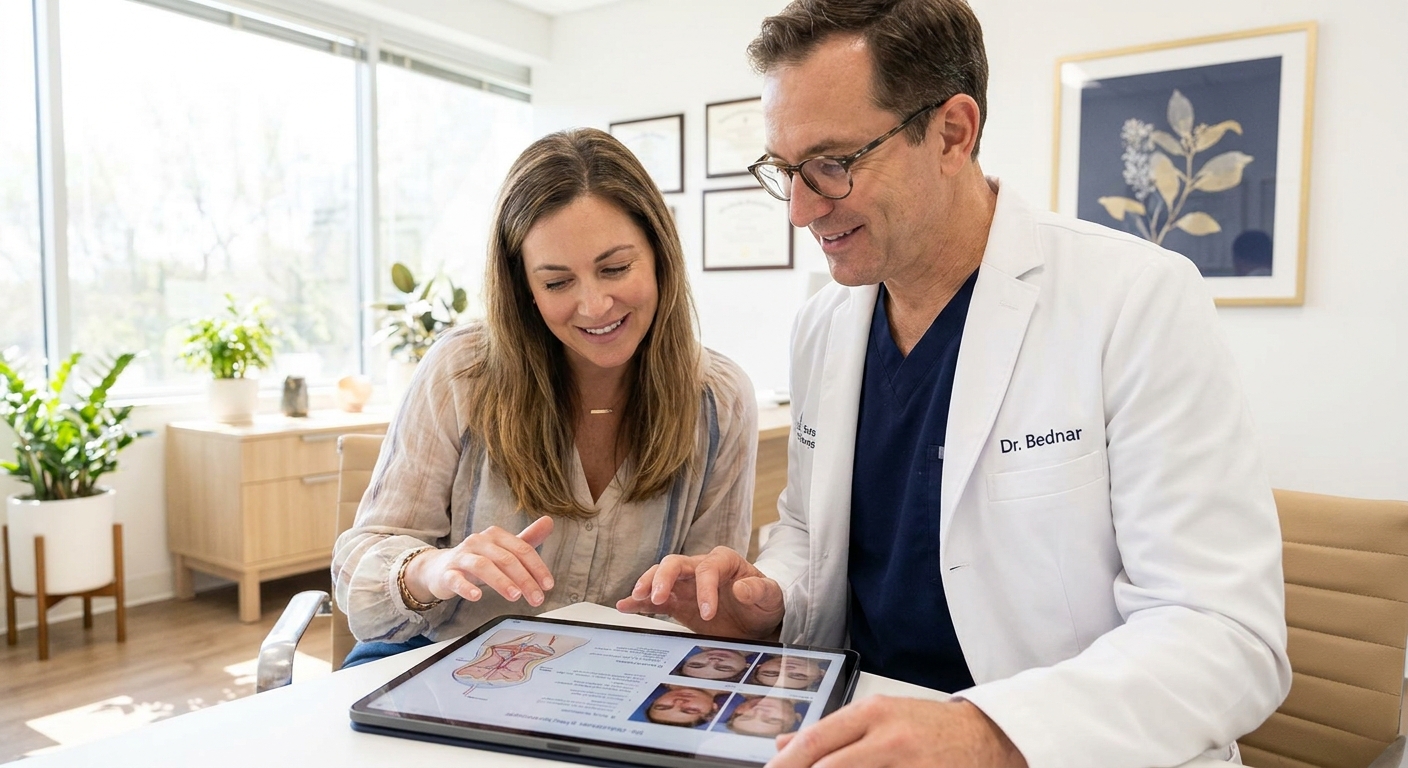
- Comprehensive consultation includes medical history, physical exam, and discussion of goals.
- Imaging studies or photographic analysis may help map optimal donor and recipient sites.
- Pre-procedure instructions typically involve avoiding certain medications (NSAIDs, herbal supplements) and cessation of smoking.
Exploring treatment areas
Breast enhancement
Fat transfer breast augmentation offers a natural-looking volume boost and symmetry restoration. You can explore natural breast augmentation fat transfer for mild to moderate increases without implants, or combine with a breast lift with fat transfer support to address sagging.
Facial rejuvenation
Autologous fat grafting restores youthful facial volume, targeting cheeks, under-eye hollows, temples, and lips. Your treated areas benefit from improved skin texture and tone, making fat an ideal filler for facial contouring [4].
Post-mastectomy reconstruction
If you’re recovering from breast cancer surgery, fat transfer for post-mastectomy recovery can restore breast volume and symmetry without implants. This adjunctive technique pairs well with reconstructive flaps or tissue expanders.
Scar revision and contour correction
Fat grafting can soften surgical scars, radiation damage, and traumatic depressions. Through carefully placed microinjections, you achieve smoother transitions between scar tissue and healthy skin, improving contour and flexibility.
Other applications
- Chest contouring for female patients after gynecomastia or liposuction.
- Post implant removal fat transfer for implant-free rejuvenation.
- Breast fat grafting for symmetry after prior augmentation or congenital asymmetry.
Describing procedure steps
1. Harvesting fat
Your surgeon uses tumescent liposuction to gently harvest fat from donor zones. This takes about 30–60 minutes, depending on volume, under local or general anesthesia.
2. Processing graft
- Fat is purified via centrifugation, sedimentation, or filtration to remove excess fluid and debris.
- Only viable fat cell clusters and regenerative stromal vascular fraction remain for injection.
3. Injection technique
- Using microcannulas, your surgeon injects fat in multiple layers and planes to optimize vascularization.
- Overcorrection accounts for anticipated resorption, enhancing long-term predictability.
- Total procedure time ranges from one hour for small facial areas to three to four hours for breast augmentation [1].
Anticipating recovery timeline
Immediate post-operative phase
- Expect mild to moderate swelling, bruising, and discomfort in donor and recipient sites.
- You may wear compression garments on harvest zones and a supportive bra for breast cases.
Weeks 1–2
- Bruising and swelling peak around days three to seven, then gradually subside.
- Sutures, if used, often dissolve or are removed by day 7–10 [5].
Weeks 3–6
- Resume light activities and return to work as advised by your surgeon.
- Avoid strenuous exercise or pressure on treated areas until cleared.
Long-term care
- Final graft survival stabilizes around six months.
- Up to 50 percent of injected fat may be resorbed, potentially requiring a follow-up session for optimal volume [5].
Weighing potential complications
Common side effects
- Temporary bruising, swelling, and numbness.
- Irregularities or asymmetry in grafted volume.
- Minor contour deformities in donor areas.
Rare but serious risks
- Fat embolism leading to tissue ischemia or blindness in facial injections (NCBI Bookshelf), requiring urgent intervention.
- Infection, hematoma, fat necrosis, or calcifications.
Risk mitigation
- Choose a board-certified plastic surgeon experienced in fat grafting.
- Adhere to pre- and post-operative guidelines, including smoking cessation.
- Maintain realistic expectations and understand potential need for touch-up procedures.
Comparing treatment options
| Feature | Autologous fat transfer | Breast implants |
|---|---|---|
| Material | Your own fat cells | Silicone or saline implant |
| Texture and feel | Soft, natural movement | Firmer, may feel less natural |
| Longevity | Permanent if grafted cells survive | 10–20 years, may require replacement |
| Additional contouring | Slims donor areas | No donor site benefit |
| Risk of foreign-body reaction | None | Capsular contracture, implant rupture |
| Imaging interference | May cause microcalcifications | Clearer mammogram but implants mask tissue |
| Scalability of volume | Mild to moderate increase | Significant, predictable volume |
While implants offer more dramatic size increases, fat transfer appeals to those prioritizing natural aesthetics, dual-site sculpting, and regenerative benefits.
Planning your consultation
Preparing questions
- How many sessions might I need for desired volume?
- Which donor sites are ideal for me?
- What processing technique do you use for graft purification?
- Can fat grafting address my specific concerns like asymmetry or scars?
- What are your major complication and revision rates?
Surgeon selection
- Verify board certification and specialization in breast/chest aesthetics.
- Review before/after galleries to assess consistency and naturalness.
- Check patient testimonials and external reviews for satisfaction rates.
Financial considerations
- Fat transfer procedures are often out-of-pocket; insurance may cover reconstructive cases such as post-mastectomy.
- Discuss financing options, bundled pricing for combined procedures, or multi-stage treatment plans.
By understanding augmentation with autologous fat and its regenerative potential, you can make an informed decision that aligns with your goals for natural enhancement, scar revision, or post-surgical reconstruction. Whether you explore breast contour restoration without implants or implant-free breast rejuvenation, fat grafting offers a versatile, biologically harmonious approach to achieve your aesthetic vision.