
Understanding a wellness recovery program after surgery
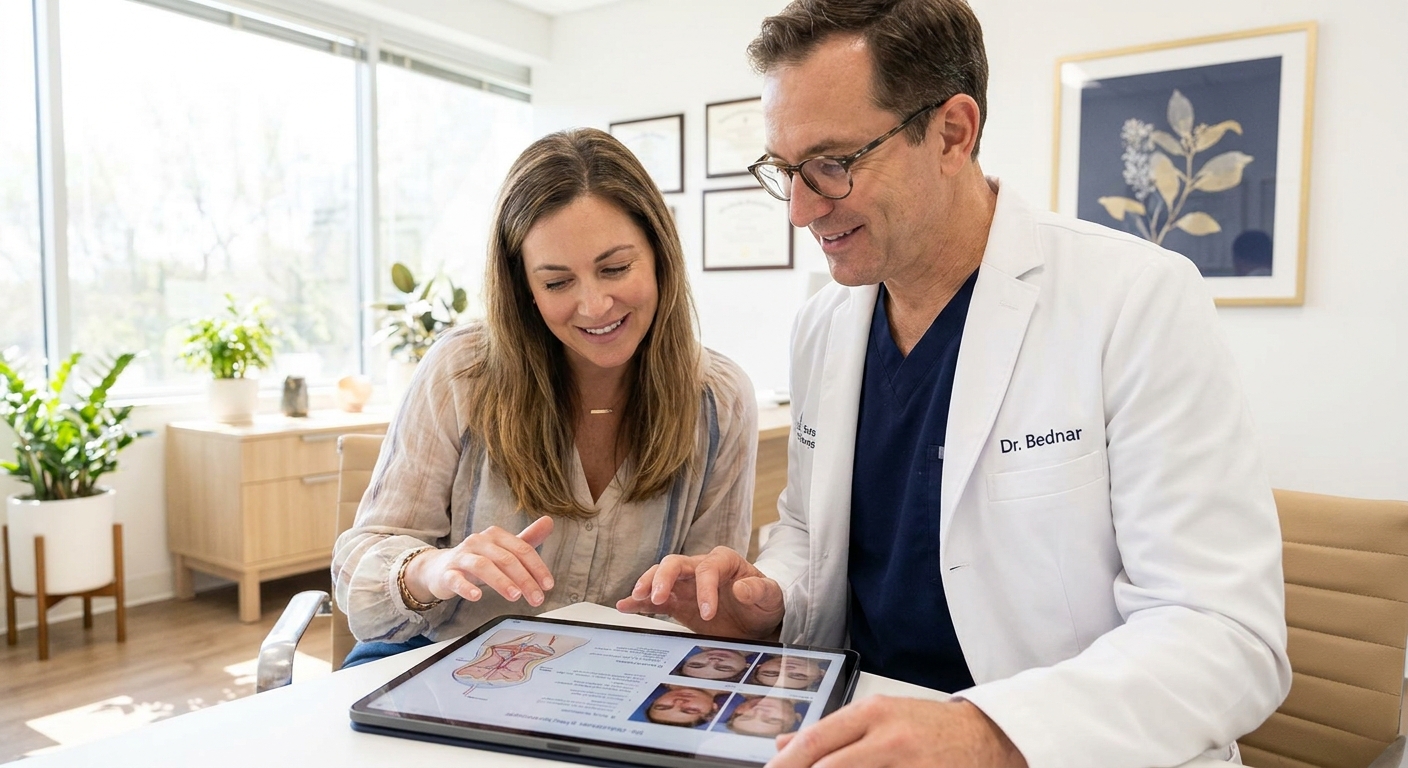
When you plan cosmetic surgery, you usually focus on the procedure and the result. Yet what happens in the weeks after surgery has just as much impact on how you look long term. A structured wellness recovery program after surgery is designed to guide your body through healing so you recover more comfortably, minimize scars, and protect your investment in your aesthetic result.
Instead of simply waiting for your body to heal, you follow a targeted plan that includes regenerative therapies, advanced swelling control, scar refinement, and lifestyle guidance. This kind of comprehensive post operative strategy helps you return to daily life more quickly and with smoother contours, softer scars, and more predictable results.
In this guide, you will see how a wellness recovery program after surgery works, which therapies are typically included, and how each step supports optimal scar minimization and overall healing.
Why recovery planning matters for scar minimization
Your incision lines are only part of what determines how your scars look. What you do in the days and weeks after surgery strongly influences whether those lines mature into thin, flat, pale scars or widen, darken, or become raised.
A thoughtful post surgical wellness plan matters for several reasons:
- It supports your circulation and lymphatic drainage so fluid, bruising, and inflammation clear efficiently. Controlled inflammation is essential for scar refinement.
- It protects your incisions and underlying tissue from excessive tension, trauma, or infection, all of which can worsen scar quality.
- It harnesses regenerative therapies that give your skin and soft tissue the cellular tools they need to rebuild in a more organized, uniform way.
- It keeps you active and engaged in your own recovery, which research shows improves function, comfort, and healing after surgery [1].
By viewing recovery as a proactive phase instead of a passive waiting period, you set yourself up for smoother contours, softer scars, and greater satisfaction with your outcome.
Core components of a wellness recovery program after surgery
A comprehensive wellness recovery program after surgery brings together several coordinated elements. These are tailored to your procedure, medical history, and goals but usually include the following core components.
Regenerative cell and tissue support
Regenerative therapies aim to enhance your body’s natural repair processes at the cellular level. In aesthetic surgery, this can include options similar to autologous recovery cell therapy and cellular rejuvenation for healing.
By concentrating your own cells or bioactive factors and directing them to areas of surgical trauma, you support:
- Faster tissue repair
- More stable collagen and elastin formation
- Better integration of fat grafts and soft tissue adjustments
- Reduced inflammation over the longer term
These techniques are particularly relevant if you have had liposuction, fat transfer, or body contouring procedures where volume retention and skin quality are critical.
Lymphatic and swelling management
Fluid buildup and swelling are normal after surgery, but unmanaged edema can slow healing and place tension on incisions. A dedicated post operative swelling management plan often includes:
- Timing and progression of compression garment use
- Walking and mobility guidelines
- Hydration and nutritional strategies
- Targeted lymphatic massage after surgery
Gentle lymphatic therapy helps direct excess fluid back into circulation, reduces discomfort, and supports better contour definition as swelling resolves. Research on post operative therapy shows that guided movement and progressive mobilization are essential to restore range of motion and function while reducing stiffness and pain [2].
Scar refinement and tissue remodeling
Scar minimization is not a single step, but a sequence of interventions that begin when your incisions close and continue for many months. A structured approach often combines:
- Silicone therapy and topical regimens
- Mechanical protection and tension control
- Energy based treatments such as laser scar reduction after surgery when appropriate
- Focused post surgical scar refinement therapy
By intervening early in the scar maturation phase, you help collagen fibers align in a flatter, more flexible pattern rather than forming thick, raised bands. Over time, this leads to softer, less noticeable scars that better match the surrounding skin.
Scar quality is not only about how an incision was closed, but how the surrounding tissue healed and remodeled in the months that followed.
Timing your wellness recovery program
Your recovery pathway will be individualized, but it typically follows a predictable sequence. Each phase has specific goals that support both comfort and cosmetic refinement.
Immediate post operative phase: first 3 to 7 days
In the first days after surgery, your focus is on safety, comfort, and basic mobility. You can expect:
- Careful monitoring of vital signs and early recovery in the surgical facility as recommended by the American College of Surgeons [3]
- Protection of incisions and dressings
- Strict adherence to your surgeon’s restrictions on lifting, driving, and activity to avoid bleeding or wound problems [4]
- Short, frequent walks to encourage circulation and reduce clot risk once cleared to move [4]
You might still feel the effects of anesthesia for 2 to 3 days, including fatigue and mild confusion, so you are advised not to drive, drink alcohol, or make major decisions during this period [3].
Early healing phase: weeks 1 to 3
Once your incisions are stable, your wellness recovery program after surgery usually becomes more active. This is often when:
- Light lymphatic work begins to control swelling and bruising
- Gentle stretching or guided movements are introduced to avoid stiffness and support normal posture and gait
- You start or adjust compression garments for contour support
- Nutritional and recovery supplements for healing are refined
Clinical sources suggest many patients begin some form of therapy or guided recovery within one to two weeks of surgery in order to support safe, progressive strengthening without overloading healing tissue [5]. Follow up visits during this period are vital, even if you feel well, because your surgeon can identify issues that might not be visible externally, especially with deeper procedures [4].
Remodeling and refinement phase: weeks 4 to 12 and beyond
Scar tissue and deeper soft tissues continue to evolve for many months. During this phase, your plan may include:
- Progressive activity increases in line with guidance that many patients return to normal activity over 1 to 3 weeks, while heavy lifting remains limited for 4 to 6 weeks for optimal recovery [3]
- Expanded post surgery contour refinement strategies if you have had liposuction or body contouring
- Formal post surgical scar refinement therapy and, when appropriate, energy based treatments such as laser scar reduction after surgery
- Continued attention to posture, core strength, and body mechanics so that your long term results align with your surgically created contours
This is also the period when your emotional adaptation to your new appearance continues. Structured rehab programs that encourage small, achievable goals and visible milestones help maintain motivation and reduce anxiety about movement and healing [6].
How regenerative recovery supports fat transfer and body contouring
If your surgery included liposuction, fat grafting, or body contouring, a regenerative wellness recovery program after surgery becomes even more important. These procedures rely on delicate microcirculation and tissue integration to maintain smooth contours and natural shape.
Optimizing fat graft survival and retention
Transferred fat behaves like a living graft that must establish a blood supply in its new location. Targeted protocols such as fat graft survival optimization, fat graft retention improvement protocol, and healing enhancement after fat transfer can support:
- More predictable volume retention
- Smoother, more natural contour transitions
- Reduced irregularities and nodules
After fat transfer, you receive specific guidelines on positioning, pressure avoidance, and appropriate massage therapy post fat grafting to avoid damaging the new microvascular connections while still supporting lymphatic flow and tissue flexibility.
Structured recovery after liposuction and contouring procedures
Liposuction and body contouring often involve extensive tissues, which makes structured support essential. A recovery plan for liposuction patients and broader recovery optimization for body contouring typically include:
- Staged compression to guide skin retraction and contour definition
- Lymphatic techniques that respect incision placement and cannula paths
- Activity progression that maintains circulation but avoids repetitive strain
- Options for regenerative recovery after liposuction to improve skin tone and quality over treated areas
By coordinating these elements, you improve your chances of achieving smooth, even contours that match your surgical plan and reduce the risk of persistent swelling or contour irregularities.
Nutrition, movement, and home setup for better healing
A wellness recovery program after surgery looks at your whole environment, not just what happens in the clinic. Everyday choices shape your healing trajectory.
Nutrition and hydration
Your body needs adequate protein, micronutrients, and hydration to rebuild tissue and regulate inflammation. Widely accepted guidance includes:
- Drinking 8 to 10 glasses of water per day to support circulation and lymphatic flow
- Starting with small amounts of liquid after anesthesia and gradually returning to usual intake as nausea resolves
- Emphasizing fiber rich foods to avoid constipation and bowel strain, both of which can increase pain and pressure on healing tissues [3]
A tailored supplement plan through recovery supplements for healing can further support collagen formation, immune balance, and energy levels.
Movement and home environment
Gradual movement as directed by your surgical team is critical. Short walks every hour or two, once you are cleared, help prevent blood clots, pneumonia, and deep vein thrombosis while also supporting mental wellbeing [4].
Preparing your home before surgery makes this easier. Guidance from home health organizations highlights the value of:
- Decluttering walkways
- Adding handrails or grab bars where needed
- Adjusting bedroom, bathroom, kitchen, and living spaces to minimize reaching, bending, or climbing
- Walking through your living space ahead of time to identify potential hazards [7]
If your situation requires it, skilled nursing and therapy support at home can further ease the transition and reinforce your surgeon’s post operative plan [7].
Integrating advanced post operative care into your cosmetic journey
Your cosmetic surgery experience does not end in the operating room. A truly modern approach incorporates a comprehensive post op recovery system and personalized post op care cosmetic surgery that address:
- Surgical site protection and wound care
- Swelling and contour management
- Scar minimization and tissue remodeling
- Regenerative support for skin, fat, and connective tissue
- Physical and emotional resilience during the recovery period
This is especially relevant if you are pursuing more natural or regenerative approaches, such as post operative care for natural procedures or regenerative healing after breast surgery. These protocols are designed to align with your body rather than working against it.
Clinical research continues to show that structured postoperative pathways, sometimes called enhanced recovery protocols, reduce complications, shorten recovery time, and improve outcomes across many types of surgery [8]. Although these data often come from broader surgical fields, the underlying principles translate well to aesthetic procedures: reduce stress responses, promote safe early mobilization, support nutrition, and tailor care to each patient.
Choosing a wellness recovery program that fits your goals
When you evaluate your options, it can help to think of your wellness recovery program after surgery as an extension of your procedure. You are not choosing only a surgical technique. You are choosing how your body will be supported as it heals and how your scars and contours will evolve over time.
As you plan, consider asking:
- How does the practice structure my postoperative visits and follow up?
- What specific strategies are in place for swelling control and lymphatic support?
- Which regenerative options are available to support tissue healing and fat graft survival?
- How is scar refinement approached in the first year after surgery?
- What kind of education and home care guidance will I receive?
When your surgery is paired with an integrated recovery system that includes regenerative therapies, lymphatic support, and structured scar management, you give yourself the best chance for a smoother, safer healing experience and the most refined, natural looking result possible.