
Understanding effective post op care
When you prepare for cosmetic surgery, one of the most pivotal factors influencing your final outcome is proper post op care cosmetic surgery. By devoting attention to your recovery phase, you can optimize healing, diminish complications, and ultimately enjoy the improved, natural-looking results you envisioned. From the moment you leave the operating room, each decision you make about rest, nutrition, and physical activity can significantly impact your healing timeline and aesthetic outcomes.
Some procedures, such as natural fat-transfer breast augmentation, require specialized follow-up steps to protect delicate tissue. Others, like facial augmentation or body-contouring, might involve activity modifications to prevent undue stress on incisions and newly sculpted regions. According to experts at UCLA Health, recovery recommendations vary widely based on your surgical plan and existing health profile. For these reasons, clarifying the specifics of your own post op plan with your medical team is essential.
While it can be tempting to jump back into your usual routine, acknowledge that each body heals at its own pace. This process often requires patience, structured guidance, and a focus on self-care. Overextending yourself too soon can prolong swelling or compromise incision sites, diminishing the quality of your results. On the other hand, following each recommended precaution helps you foster an environment where tissues can knit together securely, minimizing complications and promoting long-lasting improvement in your appearance.
Rely on a balanced lifestyle
The most straightforward way to guide your body through the healing process is to adopt a comprehensive, balanced lifestyle. You can start by achieving the best possible health prior to surgery to encourage a smoother recovery afterward. Indeed, the American Society of Plastic Surgeons emphasizes that healthy habits, such as well-rounded nutrition and regular activity, prepare you to handle post-surgical stress more effectively.
Nourish your body
- Focus on high-protein foods: Protein helps repair cells, muscles, and connective tissue. Selections like lean meats, fish, eggs, beans, and lentils are typically recommended.
- Incorporate antioxidants: Berries, leafy greens, and even small amounts of dark chocolate help your body combat the oxidative stress that often follows surgery. As Anca Breahna points out, antioxidants limit inflammation and support tissue rejuvenation.
- Stay hydrated: Healthy blood circulation relies heavily on ample fluid intake, especially water. Good circulation accelerates the transport of nutrients to your healing tissues and clears out toxins more efficiently.
- Use vitamins wisely: While vitamin C and zinc boost collagen formation, confirm with your surgical team which supplements are safe to take during recovery. Ingredients like fish oils or turmeric might need to be avoided in the immediate pre- and post-surgical phases due to blood-thinning effects.
Remain active but mindful
Maintaining a gentle level of light exercise—such as brief daily walks—can serve as a cornerstone of recovery. According to the American Society of Plastic Surgeons, moderate movement promotes blood flow, helps prevent dangerous blood clots, and encourages lymphatic drainage. However, you should not push yourself beyond your doctor’s recommendations. Strenuous exercise too soon could soften or damage incisions, increase swelling, and delay your progress.
Eliminate harmful habits
Avoiding smoking or vaping is crucial. Nicotine constricts blood vessels, reduces oxygen flow to tissues, and undermines your body’s capacity to regenerate. As Dr. Erwin Bulan cautions, smoking can also cause infections, tissue death, and more pronounced scarring. Reducing or eliminating tobacco use before and after surgery can support better healing and more aesthetically pleasing results.
Protect and support your incisions
The way you manage your incisions in the days and weeks after surgery can significantly affect your final appearance. Each procedure—whether a tummy tuck surgery, facial fat transfer, or a form of body-contouring—comes with specific guidelines for protecting and caring for incision areas.
Follow your surgeon’s instructions
Your cosmetic surgeon is your primary resource for step-by-step instructions on wound care, dressing changes, and medication schedules. For instance, Dr. Kimberly Henry (source) underscores that properly cleaning the incision site is crucial for preventing complications such as infection or delayed healing. Many surgeons suggest patting incisions dry, using gentle soap, and avoiding hot water or submerging the incision.
Occasionally, small drains may be necessary to prevent fluid accumulation. You might also receive guidance to keep the wound elevated or covered. If you experience unusual redness, swelling, or a fever, report these signs immediately to your surgical team. Early detection of infection or other complications can help you avoid long-term health implications.
Know your movement restrictions
Simple motions like bending, lifting, or twisting may cause tension on incisions or encourage fluid accumulation. The experts at POP Recovery Systems caution that putting stress on healing areas can spark complications like swelling, delayed healing, and increased pain. Lifting items heavier than 10-15 pounds could pull on stitches, exacerbate bruising, and jeopardize your results, especially in the early days after breast enhancement with fat grafting or other cosmetic procedures. Ease back into more ambitious tasks only when cleared by your surgeon.
Avoid driving prematurely
As Dr. Erwin Bulan notes, driving too soon after a cosmetic procedure poses severe risks if you are still taking prescription pain medications or cannot move your body comfortably. Even small actions like turning the steering wheel or twisting to check mirrors can stretch healing skin or place undue pressure on certain areas. Your physician is the best judge of when you are cleared to drive again, usually once you can safely rotate your torso without pain.
Manage scars for a lasting recovery
A common concern with cosmetic surgery involves the visibility and permanency of post-surgery scars. While nearly all procedures leave some form of scar, there are multiple proactive measures you can take to ensure minimal visibility over time. In fact, Dignity Health emphasizes that scars usually take about 8-12 months to reach their final appearance. During that period, a consistent and mindful approach to scar care can make a meaningful difference.
Incorporate sun protection
One of the simplest yet most critical strategies to preserve fragile incisions is to protect them from ultraviolet rays. In alignment with Dignity Health’s recommendations, you should apply a waterproof sunscreen of at least SPF 30 whenever you go outdoors, even on cloudy days. Excessive sun exposure can degrade collagen, cause discoloration, and delay scar maturation.
Apply approved topical treatments
Some surgeons recommend silicone gels, silicone sheets, or specialized creams to reduce scar thickness and maintain moisture in the healing skin. A gentle massage of the scar tissue, once your surgeon has cleared you to do so, may also help remodel collagen networks. If you are unsure which product to use or how to massage the region, consult your board certified plastic surgeon for a personalized protocol that matches your surgical area and skin type.
Schedule follow-up appointments
Consistent check-ins with your medical team allow them to assess your scarring as it evolves. Occasionally, procedures like scar treatment with fat grafting or additional minor revisions may be recommended if a scar does not heal to your satisfaction. For instance, if you are combining breast fat transfer with other enhancements, you might need multiple follow-ups to fine-tune both the aesthetic result and scar appearance.
Embrace recommended physical restrictions
Even if you feel energetic during your recovery, observing rest and gradual reintroduction of physical activity helps protect your surgical sites. Restricting movements like heavy lifting or vigorous sports is not merely about comfort—it is about safeguarding the long-term quality of your aesthetic improvements.
Honor the healing timeline
Different procedures have different recommended rest periods. For instance:
- A facelift might require careful avoidance of strenuous activities for at least two to three weeks. At The Lucas Center, experts mention that about 80 percent of swelling subsides after two weeks, with numbness possibly lasting for months.
- A tummy tuck recovery guidance plan commonly includes wearing a compression garment and refraining from intense abdominal workouts for six weeks or more. Additionally, drains may remain in place for the first week to allow fluid to exit properly.
- Breast-related procedures, such as breast reduction surgery or breast augmentation without implants, often require you to refrain from lifting objects heavier than 10-15 pounds for at least four to six weeks.
Prioritize light activity
Gentle, purposeful movement during downtime can help you maintain blood circulation and deter blood clots. If you experience any discomfort while walking or performing household tasks, consider slowing down or taking frequent breaks. Remember, your body is expending a significant amount of energy to heal surgically altered tissues. Overexerting yourself may compromise that valuable process.
Consider beneficial therapies for faster healing
In addition to core guidelines about rest, incision care, and nutrition, specialized therapies can further improve both your comfort level and the rate of your recovery. Treatments like lymphatic massage, ultrasound therapy, and even certain non-surgical cosmetic enhancements can be integrated into your post-operative plan if appropriate.
Look into lymphatic massage
Gentle lymphatic massage involves strategic pressure and strokes designed to move fluid away from congested areas. Dr. Anthony Dardano notes that lymphatic massage promotes lymph flow, which helps flush out toxins, reduce swelling, and accelerate healing. This therapy makes sense to discuss with your surgeon if you have extensive fluid buildup or if you want to enhance your comfort:
- Lymphatic massage may be particularly beneficial following liposuction body contouring or similar fat-removal procedures.
- It can also be integrated into the schedule of follow-up treatments for lymphatic massage post op in order to maintain a healthy fluid balance, support your body’s immune response, and reduce the likelihood of complications.
Try ultrasound therapy
Another approach to maximize your healing is to use ultrasound therapy, a non-invasive technique that harnesses soundwaves to decrease inflammation and enhance tissue repair. According to Dr. Anthony Dardano, ultrasound sessions are often soothing and have the potential to improve your body’s capacity to heal, especially if you are tackling more extensive surgery sites like an abdominoplasty, thigh lift, or large-scale liposuction. Before trying ultrasound therapy, confirm with your surgeon if this protocol complements your overall treatment plan.
Explore non-surgical injectable fillers
For some patients, subtle or additional refinements might be appropriate once their incisions have sufficiently healed. If you are interested in smoothing minor surface irregularities or adding youthful volume to the face, non surgical injectable filler can be a viable option. By addressing fine lines and slight depressions, filler treatments help elevate your fresh, rejuvenated appearance without requiring a secondary surgery.
Explore why Bednar Cosmetic Surgery
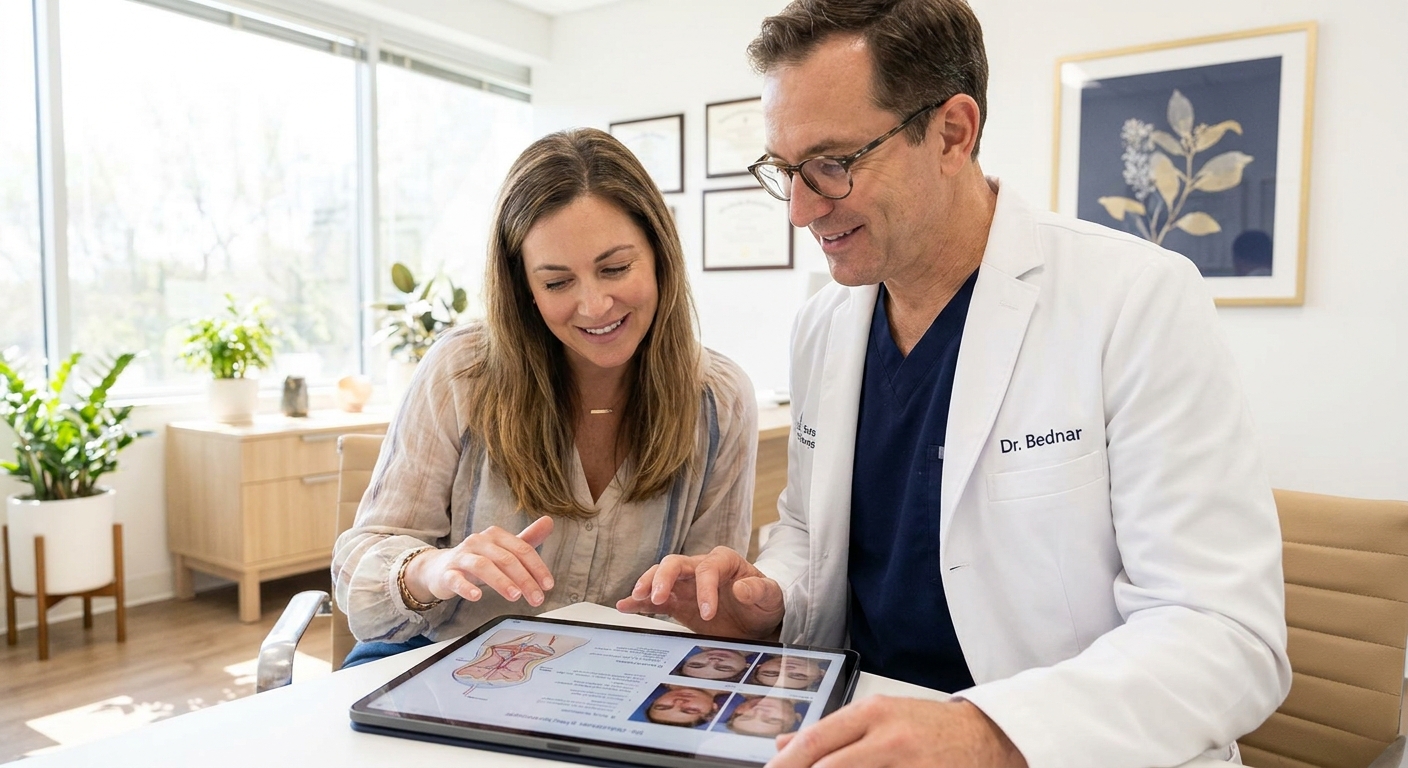
The quality of your post-operative experience often depends on trusting a reputable medical team to guide you. Bednar Cosmetic Surgery stands out as a top choice for natural fat-transfer breast and facial augmentation, body-contouring, and non-surgical rejuvenation. Here is why you or a loved one might consider this specialized and art-inspired approach:
- Artistic expertise: True aesthetic outcomes merge precise surgical skill with a creative eye. Having a board certified plastic surgeon well-versed in fat-transfer and sculpting techniques ensures that your procedure is approached with both technical knowledge and an artistic perspective.
- Tailored treatment plans: You deserve an experience that accounts for your unique anatomy, lifestyle, and goals. At a plastic surgery consultation, the team holistically evaluates your medical profile and then outlines a path forward. You receive personalized guidelines for everything, including fat harvest procedures and alloclae regenerative filler.
- Comprehensive services: From breast fat transfer to advanced sculpting body aesthetic surgery options, you can pursue a continuum of solutions. Whether you desire subtle enhancements or transformative makeovers, we deliver in-office and surgical treatments designed to address both large-scale and refined needs.
- Commitment to safety: Bednar Cosmetic Surgery is an aaaasf accredited surgery facility, which signifies compliance with stringent safety standards and protocol. This ensures that your experience, from anesthesia administration to overnight care, follows rigorous guidelines.
- Ongoing support: Equipping you with post-operative resources is fundamental for your successful recovery. We educate you about specialized aftercare measures, such as recommended compression garments for body procedures or scar-management methods for facial incisions. By pairing these strategies with consistent follow-ups, you receive the support necessary for enduring results.
Choosing an environment that recognizes your goals and concerns can give you the reassurance and empowerment you need to heal both physically and emotionally. Moreover, harnessing artistic insight to enhance your natural features fosters an authentic transformation that complements your body’s underlying structure.
Five frequently asked questions
Below are five popular questions about optimizing your post-operative experience with cosmetic surgery. Always keep in mind that your medical team is the best source of advice, as they understand your procedure and history.
-
How soon can I return to work after cosmetic surgery?
Your return-to-work timeline largely depends on the extent of your procedure and the demands of your job. Many individuals resume office-based roles or lighter duties within one to two weeks. Nonetheless, if your job is physically demanding or involves lifting, you might need a longer break to protect the incision site. Communicate openly with your surgeon about your job requirements. -
When is it safe to exercise again?
Generally, most surgeons recommend avoiding vigorous exercise for at least four to six weeks. During this period, it is best to stick with gentle walks, basic stretching, or other low-impact activities that improve blood flow. Exceeding these recommendations can disrupt the incision site, prolong swelling, and compromise the final contour of your procedure. -
What can I do to reduce swelling?
Swelling is a natural part of healing, but you can manage it by wearing compression garments, elevating the treated area (especially beneficial in facial or abdominal procedures), and taking part in conservative activities that encourage lymph flow. Consult your surgeon about whether lymphatic massage post op or ultrasound therapy might help. Always listen to your body’s feedback while implementing these methods. -
How do I handle incisions that seem to be infected?
If you notice signs such as redness, pus, intense pain, or fever, contact your surgeon’s office immediately. Prompt attention to potential infection is crucial to prevent the issue from escalating into a more serious complication. You might need an examination, antibiotic treatment, or additional care. Following your doctor’s guidelines about wound cleaning and dressing can significantly lower the risk of infection. -
Are non-surgical treatments also an option for me?
Many patients favor a non-surgical path for subtle enhancements or quick touch-ups during the recovery period. Treatments like non surgical injectable filler can smooth minor wrinkles or address small volume concerns. However, always consult your medical team about the best timeframe to receive these treatments so as not to interfere with your surgical healing.
Effective post-surgery care is not exclusively about rest. It also includes proactive surveillance of your body, willingness to embrace beneficial therapies, and an enduring commitment to healthy living. By managing your incisions responsibly, respecting physical limitations, and fueling your recovery with high-quality nutrition, you set yourself up for a transformative outcome that yields both aesthetic beauty and a renewed sense of confidence.
Incorporating these strategies is simpler when you partner with an experienced, trusted team. At Bednar Cosmetic Surgery, we guide you through each step of the process, from your initial conversation to your long-term follow-up plan. By choosing a practice committed to individualized attention, art-inspired technique, and comprehensive support, you will find the pathway toward the rejuvenation you seek. Above all, remember that the healing journey is unique to you—give yourself grace and empower your body to recover in the most effective way possible.