

Understanding fat grafting
Procedure overview
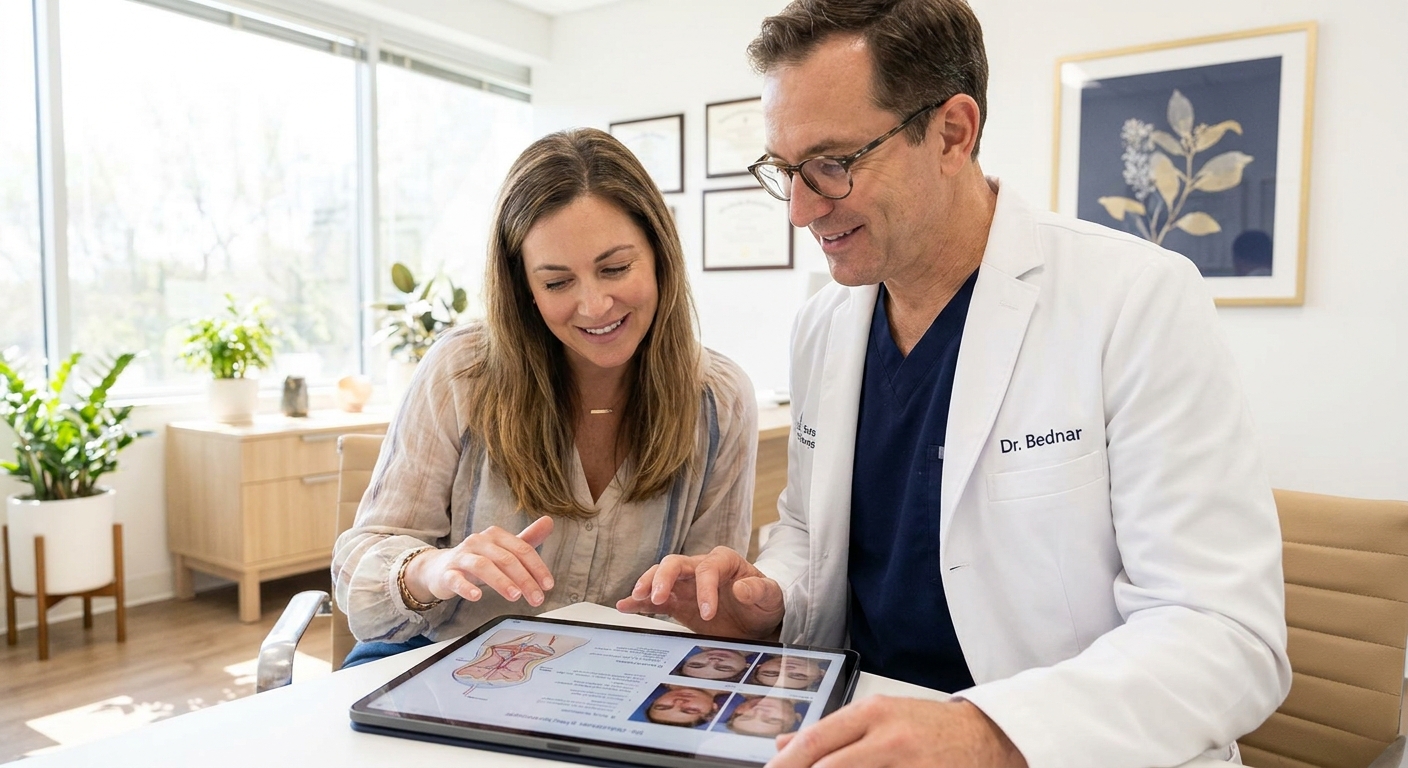
Fat grafting for aging correction uses your own adipose tissue to replenish facial volume and smooth wrinkles. During this minor surgical procedure, fat is harvested from a donor site—commonly the abdomen, flanks, or inner thighs—and then injected into areas of volume loss. Because the transferred fat integrates with your native tissues, it can survive long-term and deliver natural-looking results, making it a compelling option for natural facial volume restoration.
Grafting vs dermal fillers
While both fat grafting and hyaluronic acid fillers aim to restore volume, they differ in longevity, cost structure, and scope of correction. Below is a concise comparison:
| Feature | Fat grafting for aging correction | Dermal fillers |
|---|---|---|
| Material | Your own fat cells (autologous) | Synthetic gels (e.g., hyaluronic acid) |
| Longevity | Years, with most grafts lasting indefinitely | 6–18 months per session [1] |
| Cost-effectiveness | Higher upfront cost, lower long-term expense | Lower initial cost, requires ongoing treatments |
| Volume restored | Comprehensive, global facial lift | Targeted to specific lines or folds |
| Scope of use | Cheeks, temples, jawline, lips, under-eye hollows | Nasolabial folds, marionette lines, lip augmentation |
Benefits of fat grafting
Unlike temporary dermal fillers lasting six to 18 months, fat transfer results can last for years because the injected fat cells are natural and can survive long-term, except for a small portion reabsorbed by the body [1].
Natural and long-lasting results
Because fat grafting uses your own tissue, it delivers a softness and biocompatibility unmatched by synthetic fillers. Clinical data show that up to 80 percent of transplanted fat can persist, giving you enduring volume enhancement without the need for frequent touch-ups. Over time, this permanence translates into lower cumulative costs compared to repeat filler injections, positioning fat grafting as a long lasting facial volume treatment.
Comprehensive facial rejuvenation
Fat transfer isn’t limited to filling a single line or crease. It provides a global lift—restoring cheek contours, smoothing under-eye hollows, enhancing lip fullness, and defining the jawline. Whether you’re interested in under eye hollowness fat transfer, cheek filler with autologous fat, lip enhancement with fat grafting, or jawline contouring filler alternative, fat grafting offers a unified approach that maintains facial harmony, rather than layering disparate treatments.
Who should consider fat grafting
Ideal candidate factors
You may be an ideal candidate for fat grafting if you:
• Are in generally good health and maintain a stable weight
• Have visible volume loss or skin laxity in the mid-face, temples, lips, or jawline
• Prefer a natural approach using your own tissues
• Understand that downtime may range from a few days to a couple of weeks
If you’ve explored less invasive options like dermal fillers but want something more permanent, fat grafting for aging correction could be the solution. For overall rejuvenation, pairing this procedure with facial fat grafting for rejuvenation optimizes your outcome.
The fat grafting process
Fat harvesting
Your surgeon begins with low-trauma liposuction to gently extract fat from chosen donor sites. Using a specialized cannula preserves cell integrity, ensuring the highest survival rate when the tissue is later grafted. According to UCSF, maintaining fat viability is crucial for long-term volumizing effect [2].
Processing and purification
Once harvested, the fat undergoes sedimentation or centrifugation to separate viable adipocytes from oil, blood, and other debris. This purification step, often following the Coleman technique, maximizes graft survival by eliminating nonviable components before injection [3].
Injection techniques
Surgeons inject the prepared fat in small, precise aliquots throughout superficial and deep facial compartments. This micro layering promotes even integration and natural contouring. Techniques such as micro fat injection for facial refinement allow fine-tuned sculpting in areas like the tear troughs, nasolabial fold, and cheek planes.
Recovery timeline and longevity
Postoperative recovery
Following fat grafting, you can expect mild swelling and bruising for several days, manageable with ice compresses and elevation. Thanks to nerve blocks and local anesthesia, pain is usually minimal. Most patients return to work and social activities within a week, gradually resuming exercise by three weeks and full activity by six weeks [2].
Long-term maintenance
Injected fat requires about six months to establish a new blood supply. After this period, around 60 to 80 percent of cells persist, offering lasting volume. Five-year follow-up data indicate that most patients retain meaningful improvement, with changes over time reflecting natural aging rather than graft loss [4].
Risks and safety considerations
Common side effects
Temporary swelling, bruising, and minor contour irregularities are the most frequently reported effects after fat grafting. These typically resolve within days to weeks and can be addressed with gentle massage or, in rare cases, a corrective filler touch-up.
Managing rare complications
Although fat grafting is generally safe, potential risks include infection, hematoma, and in very rare instances fat embolism. Choosing a board-certified surgeon skilled in autologous techniques minimizes these hazards. Immediate recognition and intervention are key to handling any unexpected events [5].
Combining rejuvenation therapies
To achieve truly transformative results, fat grafting can be integrated with other regenerative and injectable treatments. You might consider:
- PRP and exosome facial therapy to boost fat survival and stimulate collagen
- Stem cell enriched facial rejuvenation for enhanced tissue regeneration
- AlloClae facial filler alternative to address fine lines and dynamic wrinkles
- Hyaluronic acid vs fat transfer for targeted smoothing where fat grafting isn’t ideal
- Non surgical facelift with alloclae to lift and tighten without excisional surgery
By blending these modalities, you benefit from natural volume restoration, collagen stimulation, and precise wrinkle correction in a single comprehensive strategy.
Why choose Bednar
At Bednar, we lead in natural facial restoration, combining fat grafting for aging correction with advanced regenerative methods. Your treatment plan is crafted around your unique anatomy and goals, whether that’s subtle contouring or a full rejuvenation. Our expertise in custom filler artistry for facial balance ensures each injection enhances your features harmoniously. When you choose Bednar, you’re selecting a partner dedicated to safe, lasting, and beautifully natural outcomes.