

Understanding dermaplaning and exfoliation service
If you are looking for a non invasive way to refresh your complexion, a combined dermaplaning and exfoliation service can be a powerful option. Dermaplaning uses a sterile, surgical grade blade to gently remove the outer layer of dead skin cells along with fine vellus hair, often called peach fuzz. This reveals smoother, brighter skin and creates an ideal surface for additional exfoliation and treatment serums to penetrate more effectively [1].
Professional dermaplaning is considered a form of controlled physical exfoliation. Your provider holds the skin taut and performs light, precise strokes to remove built up debris that regular cleansing and scrubs cannot reach. Medically supervised dermaplaning is classified as minimally invasive and can also be considered a type of skin resurfacing, since it removes the uppermost layer of the epidermis to refine texture and tone [2].
When dermaplaning is paired with a tailored exfoliation step, such as gentle acids, enzymes, or an advanced facial treatment, you receive a deeper level of renewal without the downtime of more aggressive procedures. This makes it a practical choice if you are preparing for cosmetic surgery, recovering from a procedure, or simply trying to maintain your results with ongoing advanced skincare aesthetic services.
How dermaplaning works on your skin
Dermaplaning targets the very top layers of your skin, where dullness, roughness, and buildup are most visible. A trained aesthetic provider uses a sterile surgical scalpel to lightly glide across the skin at a controlled angle, lifting away dead cells and peach fuzz in the process [3].
Unlike traditional shaving, this technique is designed for exfoliation as well as hair removal. It removes a thin layer of the stratum corneum along with fine hair, which helps:
- Smooth rough or dry patches
- Soften the look of fine lines
- Reduce the appearance of shallow acne scars and uneven pigmentation
- Clear away debris that can clog pores and contribute to breakouts [1]
The treatment is typically described as painless, with most people feeling only a light scraping sensation, and it usually takes about 30 minutes to complete a full face session [4].
Why combine dermaplaning and exfoliation
A combined dermaplaning and exfoliation service takes advantage of how receptive your skin is after the top layer of dead cells has been removed. Once dermaplaning clears the surface, your provider can choose the right form of additional exfoliation or treatment to meet your goals.
Chemical exfoliants, such as mild acids or enzymes, can work more evenly and more efficiently when they are not blocked by excess buildup. Hydrating facials, brightening serums, and rejuvenating masks can also absorb more deeply. Studies of clinical practice show that dermaplaning significantly enhances the absorption and effectiveness of subsequent skincare products and treatments by removing dead skin, oil, and dirt that would otherwise sit on top of the skin [5].
In a medspa setting, this layered approach is often integrated into a custom facial rejuvenation program. You may receive dermaplaning as a first step, followed by advanced options such as a hydrafacial brightening treatment, oxygen facial for skin renewal, or a light medical grade chemical peel treatment, depending on your skin type, timing, and upcoming procedures.
When dermaplaning is combined thoughtfully with other exfoliating and hydrating steps, you can often achieve a level of glow and smoothness that looks similar to a light resurfacing treatment but with virtually no downtime.
Key benefits for your skin health
When you choose a professional dermaplaning and exfoliation service, you are targeting several concerns at once rather than addressing them with separate visits. The benefits are both cosmetic and functional.
Immediate smoothness and radiance
Most people notice that their skin feels instantly softer after dermaplaning. Makeup goes on more evenly, and foundation is less likely to cling to dry patches or fine hairs. Because peach fuzz is removed, light reflects more evenly from the surface of your skin, which gives you a brighter, more polished appearance [1].
These results are usually visible right away and can last up to three or four weeks, which aligns closely with your natural skin cell turnover cycle [6].
Refinement of texture, scars, and discoloration
Because dermaplaning removes the uppermost layers of dead skin, it can soften the look of superficial imperfections over time. Clinical sources note that dermaplaning can reduce the appearance of acne scars, pitted areas, fine lines, and areas of uneven pigmentation by promoting more regular skin cell turnover [7].
If you have deeper concerns such as more prominent scarring or textural changes from sun damage, your dermaplaning results can be enhanced by pairing the treatment with a laser skin resurfacing facial or a chemical peel for acne scars. Dermaplaning prepares the skin by clearing surface debris, which can allow these more targeted treatments to work more evenly.
Better product absorption and treatment synergy
Once the surface barrier of dead cells is reduced, your daily skincare ingredients can penetrate more effectively. This includes hydrating serums, antioxidants, and retinoids, if appropriate for your skin. Professional sources emphasize that regular dermaplaning improves the absorption and effectiveness of subsequent skincare products and cosmetic treatments such as lasers or peels, because there is less buildup blocking their path [5].
This enhanced absorption is one reason dermaplaning is often incorporated into anti aging medspa services. When your skin is more receptive, collagen stimulating procedures like microneedling with prp therapy or collagen stimulating facial therapies can be planned around your dermaplaning schedule so that all parts of your plan work together.
Support for acne prone and congested skin
While dermaplaning is not used directly on areas of active, inflamed acne, it can support clearer skin in the long term when applied to appropriate areas. By removing dead cells, oil, and surface debris that contribute to clogged pores, dermaplaning can help reduce the conditions that lead to breakouts, especially in combination with the right chemical exfoliants and medical grade skincare [8].
For more stubborn post acne discoloration and scarring, your provider may suggest a series of dermaplaning sessions alongside a medical grade chemical peel treatment or ipl photofacial treatment, depending on your skin tone and how you responded to previous treatments.
Safety, candidacy, and common myths
When you are considering any procedure that involves a scalpel, even a gentle one, it is natural to have questions about safety. Dermaplaning is generally regarded as safe when performed by a licensed professional who is trained in the technique, but it is not the right choice in every situation.
Who is a good candidate
Dermaplaning is typically suitable for:
- Most skin types, including normal, combination, oily, and sensitive skin
- People who are pregnant or breastfeeding and want to avoid chemical exfoliants [6]
- Individuals with dull, dry, or slightly textured skin who want a smoother base for makeup [1]
If you have active, inflamed acne, open lesions, a history of significant keloid scarring, or certain skin conditions that affect barrier integrity, your provider may recommend delaying dermaplaning or using alternative options first. Professional sources advise avoiding dermaplaning over areas of active breakout to reduce irritation risk [8].
What to know about risks and side effects
Most people experience minimal downtime. Slight redness or sensitivity is common for a few hours after treatment and usually subsides quickly. You can normally resume regular activities right away [1].
That said, dermaplaning is still a minor procedure on the surface of the skin. Clinical sources list potential risks such as:
- Temporary redness, swelling, or tenderness
- Small nicks or cuts if you move suddenly during treatment
- Infection or scarring in rare cases, especially if aftercare instructions are not followed or if the procedure is done by an unqualified provider [2]
This is why it is recommended that dermaplaning be performed only by licensed professionals who understand skin anatomy and how to minimize complications [3]. At home tools are available, but these carry higher risks of improper use, contamination, and uneven results.
Clarifying common misconceptions
One of the most frequent concerns about dermaplaning is the idea that hair might grow back thicker or darker. According to clinical guidance, this does not occur. Dermaplaning removes only the soft vellus hair at the surface and does not change the structure of the hair follicle, so regrowth will have the same color and texture as before [8].
Another misconception is that dermaplaning is the same as more aggressive procedures such as dermabrasion. Dermabrasion uses a rotating instrument to remove deeper layers of skin, which can involve more downtime and higher risk of pigment changes. Dermaplaning, by comparison, is considered less invasive and is often appropriate for those with delicate or darker skin tones who may not tolerate strong resurfacing as easily [3].
How often to schedule treatments
Your skin naturally renews itself on a cycle of roughly 28 to 30 days. Most professional recommendations suggest scheduling dermaplaning every three to four weeks to align with this process and maintain results without over exfoliating. This interval also matches the typical regrowth cycle for peach fuzz, so your skin remains smooth and makeup ready throughout the month [9].
If you are in the middle of a broader rejuvenation plan that includes other procedures, such as radiofrequency skin tightening treatment or skin tightening without surgery, your provider may adjust the timing of dermaplaning so that your skin has appropriate healing time between sessions. In some cases, dermaplaning is paused temporarily before more intensive treatments like skin resurfacing and restoration or prp and exosome facial enhancement, then reintroduced to help maintain your results afterward.
At home dermaplaning, if you and your provider decide it is appropriate, should be done less frequently and with careful attention to blade hygiene. Consumer guidance suggests replacing blades after three to four uses and spacing at home physical exfoliation at least one to three weeks apart, depending on your skin type and sensitivity [10].
Preparing for your appointment
Thoughtful preparation helps you get the most out of your dermaplaning and exfoliation service and can reduce the risk of irritation.
In the days leading up to treatment, your provider will typically ask you to:
- Avoid other forms of physical exfoliation such as scrubs or brushes
- Pause chemical exfoliants like glycolic or salicylic acid products for at least 48 hours before treatment
- Limit tanning and direct sun exposure to prevent added sensitivity [6]
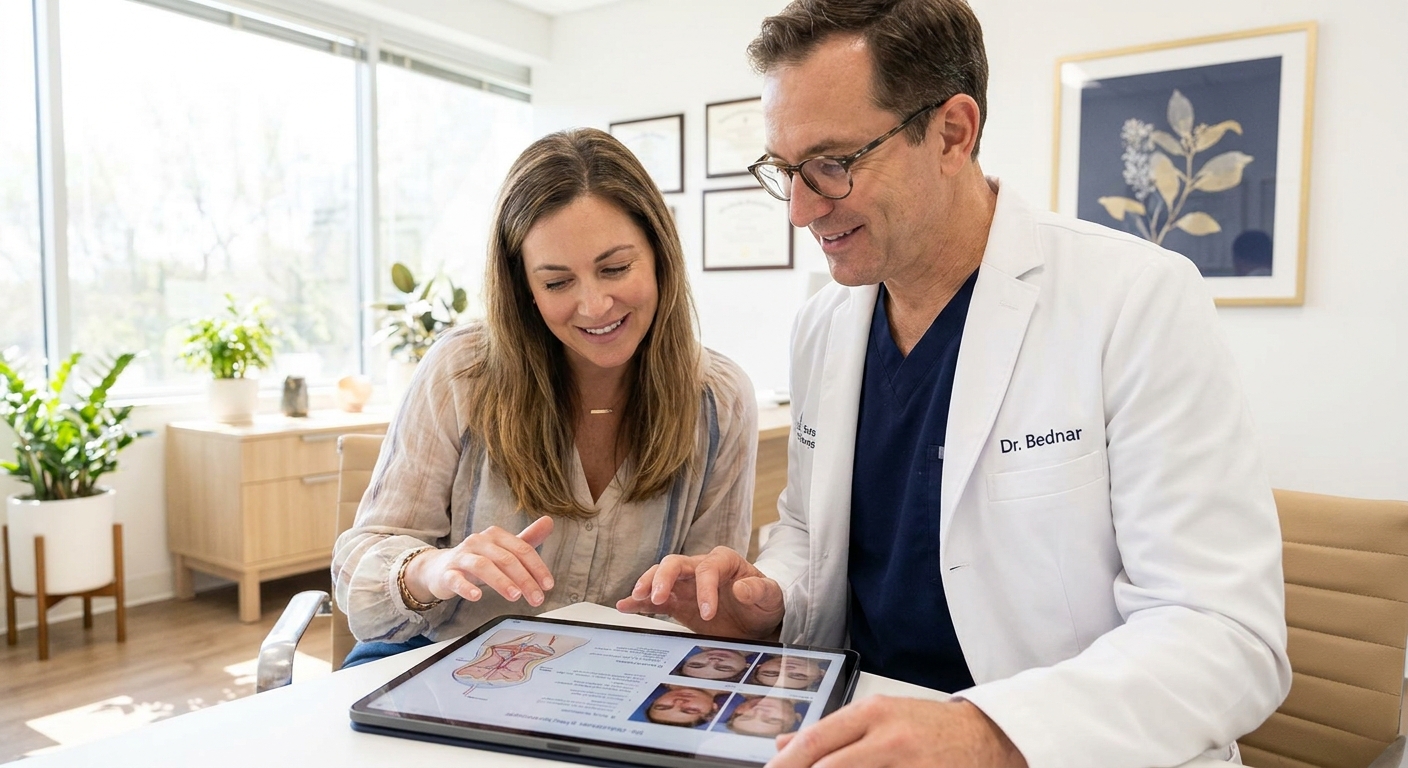
On the day of your visit, it is best to arrive with clean skin and no heavy makeup. During your consultation, be open about any recent procedures, such as non surgical body contouring, injectables, or facial surgeries, so your provider can adjust your plan. If you are under the care of Dr. Bednar and his medspa team, your dermaplaning schedule will often be coordinated with other non surgical options such as non surgical facial rejuvenation and facial contouring non surgical options, so that each appointment supports your overall goals.
What to expect during treatment
A typical professional dermaplaning and exfoliation service follows a structured sequence that focuses on comfort and precision.
You can usually expect:
- Gentle cleansing to remove surface oil, makeup, and sunscreen
- Skin assessment, where your provider evaluates texture, sensitivity, and any areas to avoid
- Dermaplaning using a sterile surgical blade, performed in small, careful strokes while the skin is held taut
- A tailored exfoliation or treatment step, which may include mild acids, hydrating serums, or a brightening facial component
- Application of soothing products and a broad spectrum SPF to protect the freshly exfoliated skin [11]
Most sessions last about 30 minutes, and you can usually return to your regular schedule immediately after, making it convenient to combine with other medspa services in a single visit. If you are maintaining results from laser rejuvenation, ipl photofacial treatment, or skin renewal and hydration facial, your provider may design a same day plan that layers these services appropriately.
Aftercare and protecting your results
The way you care for your skin after dermaplaning and exfoliation has a direct impact on how long your results last and how comfortable your recovery feels.
Short term care in the first 48 hours
Immediately after treatment, your skin will be more receptive and also more sensitive. Clinical sources recommend:
- Avoiding chemical and physical exfoliants for at least 48 hours before and after treatment
- Using a gentle, hydrating cleanser instead of foaming or stripping formulas
- Applying a non comedogenic moisturizer regularly to support barrier repair
- Using broad spectrum SPF 30 or higher every day and avoiding direct sunlight as much as possible for several days [12]
If your skin feels warm or slightly tender, a cool compress and a bland, fragrance free moisturizer can help. Your provider may recommend specific medical grade products to pair with treatments such as hydrafacial brightening treatment or oxygen facial for skin renewal so that your home care supports ongoing improvement.
Long term maintenance and integration with other treatments
Over the longer term, consistent sun protection and appropriate at home skincare help maintain the smoother texture created by dermaplaning. This is especially important if you are investing in higher level procedures like laser skin resurfacing facial, microneedling with prp therapy, or skin resurfacing and restoration.
Dr. Bednar’s medspa division is designed to integrate non surgical services, including dermaplaning, laser rejuvenation, radiofrequency skin tightening treatment, and non surgical facial rejuvenation, with the results of cosmetic surgery. If you have undergone or are planning a surgical procedure, such as a facelift or eyelid surgery, your skincare team can schedule dermaplaning and exfoliation at the right points in your timeline to support healing and maintain your outcome without disrupting the surgical area.
By viewing dermaplaning as one part of a broader advanced skincare aesthetic services plan, you can use it to:
- Keep your complexion clear and smooth between higher energy treatments
- Prepare your skin for more targeted procedures
- Maintain surgical results with gentle, ongoing care
Choosing a professional exfoliation approach
If you are deciding between dermaplaning and other exfoliation options, a consultation with a qualified provider is the most reliable way to understand what suits your skin. Dermaplaning offers immediate tactile and visual improvement by physically removing dead cells and peach fuzz, which many people appreciate for events, photos, or as a regular part of their maintenance routine [13].
Chemical exfoliation, on the other hand, can penetrate more deeply to address stubborn pigment or congestion when used carefully under professional guidance. Many patients benefit from a combination approach that includes:
- Periodic dermaplaning and exfoliation services
- A personalized rotation of in office facials and skin renewal and hydration facial options
- Strategic treatments such as medical grade chemical peel treatment or ipl photofacial treatment to address specific concerns
By working closely with Dr. Bednar’s medspa team, you can build a realistic plan that fits your schedule, your skin type, and your surgical or non surgical treatment goals. Over time, this integrated approach helps you maintain smoother texture, more even tone, and a refreshed appearance with minimal disruption to your daily life.
References
- (Beauty Boost Med Spa)
- (Cleveland Clinic)
- (WebMD)
- (Eye Face and Body)
- (Cumberland Skin)
- (Plastic Surgery Center of Atlanta)
- (Cleveland Clinic, Cumberland Skin)
- (AuraSculpt)
- (Plastic Surgery Center of Atlanta, Eye Face and Body)
- (Versed Skin)
- (Eye Face and Body, WebMD)
- (Plastic Surgery Center of Atlanta, AuraSculpt)
- (About Face Anti Aging Institute)